

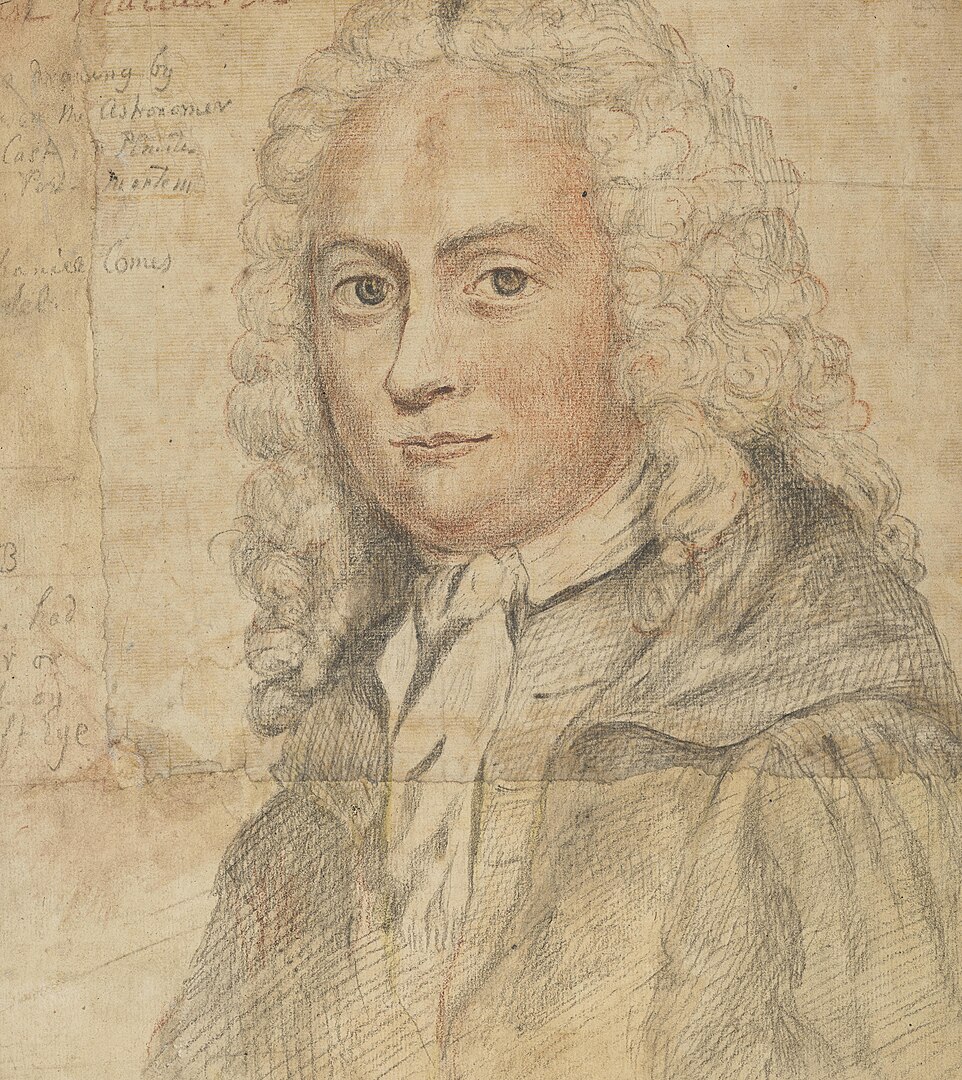
ASE member Dr Bruce Vickery is one of our historical experts and is beginning a series for our weekly newsletters about the development of astronomy in Edinburgh. He starts this week with the story of Colin MacLaurin.
Colin MacLaurin 1698 – 1746
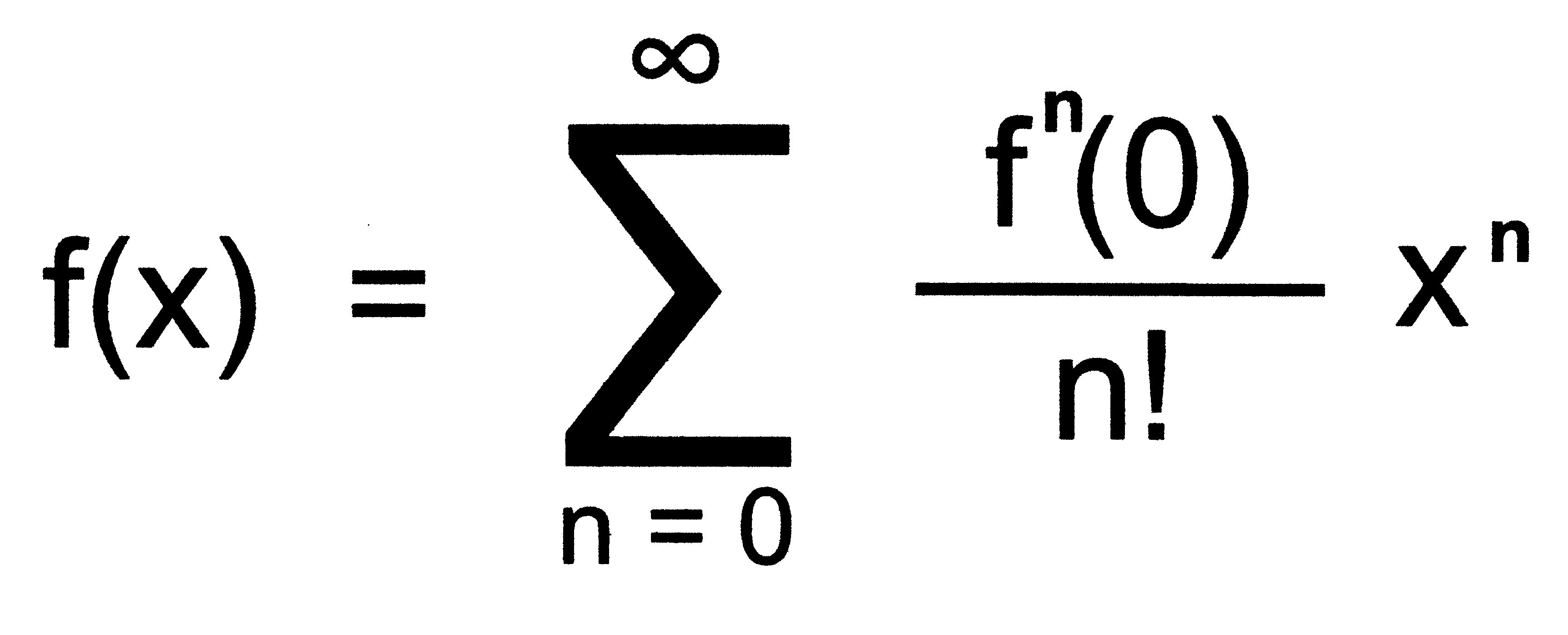 Colin MacLaurin will be remembered forever as the person who developed the mathematical formula that carries his name – the “Maclaurin Series”.
He was born in February 1698 in Kilmodan, Argyll, a son of the local minister. His father died when he was only weeks old, and his mother before he was nine. He was then brought up by an uncle, who was also a minister. The young MacLaurin showed such great early promise in mathematics that he entered Glasgow University at the age of eleven, graduating with an MA at the age of fourteen.
He quickly embraced Newton’s Fluxions (Differential Calculus) and met the great man in London in 1719. Newton became a lifelong supporter of MacLaurin.
 MacLaurin was elected as Professor of Mathematics at Aberdeen when only nineteen years of age, but on the personal recommendation of Newton he came to Edinburgh as a Professor of Mathematics in 1725 and remained here until his untimely death in 1746.
MacLaurin was deeply interested in Astronomy and he put together, in a tower of the University, a small number of astronomical instruments, including an Orrery and a Reflecting Telescope. He also had the promise of further instruments in the Will of a well-off acquaintance. During this time he was teaching Astronomy to his students. But he was very keen for Edinburgh to have a world renowned Observatory and in 1740 he obtained a gift of £100 from the Earl of Morton to make a purpose built Observatory in the University grounds.
Unfortunately, he never brought this to fruition as history – in the form of the Jacobite Rebellion – intervened. When the Jacobite army was advancing towards Edinburgh in 1745, MacLaurin was deeply involved in building Edinburgh’s defences. They were, however, breached, and MacLaurin was forced to flee to York. He returned after the Jacobite army had left Edinburgh and gone south to take on the English forces.
These exertions, together with the intensely cold weather he experienced on his trip to York, proved too much for him, medically, and he died, largely as a result, in June 1746.
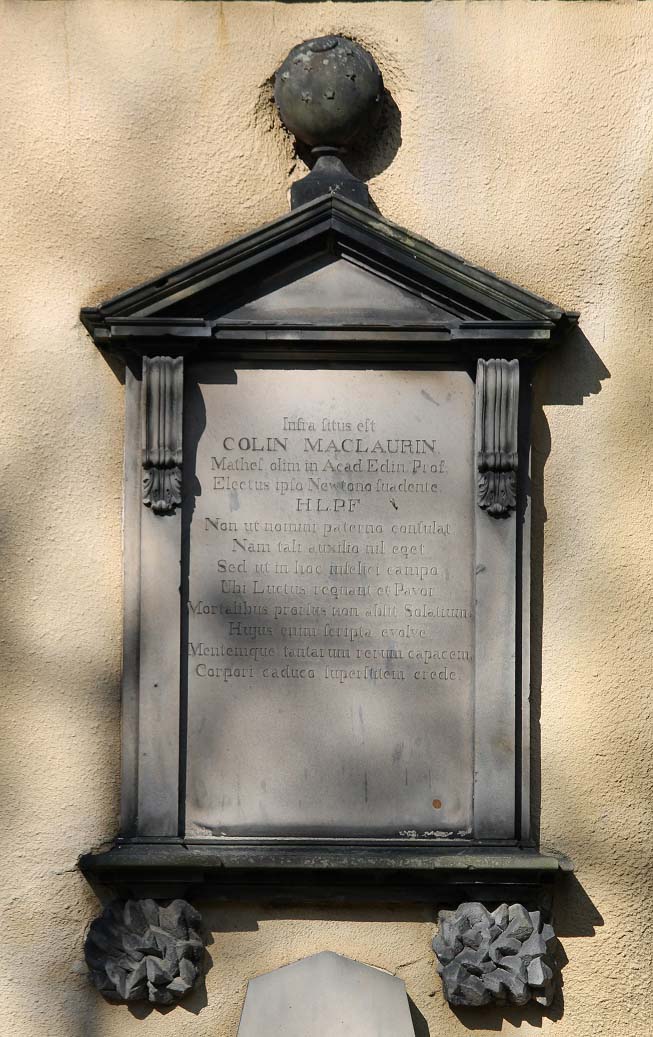
The Monument we see today in Greyfriars was erected by one of his sons.
Dr Bruce Vickery