

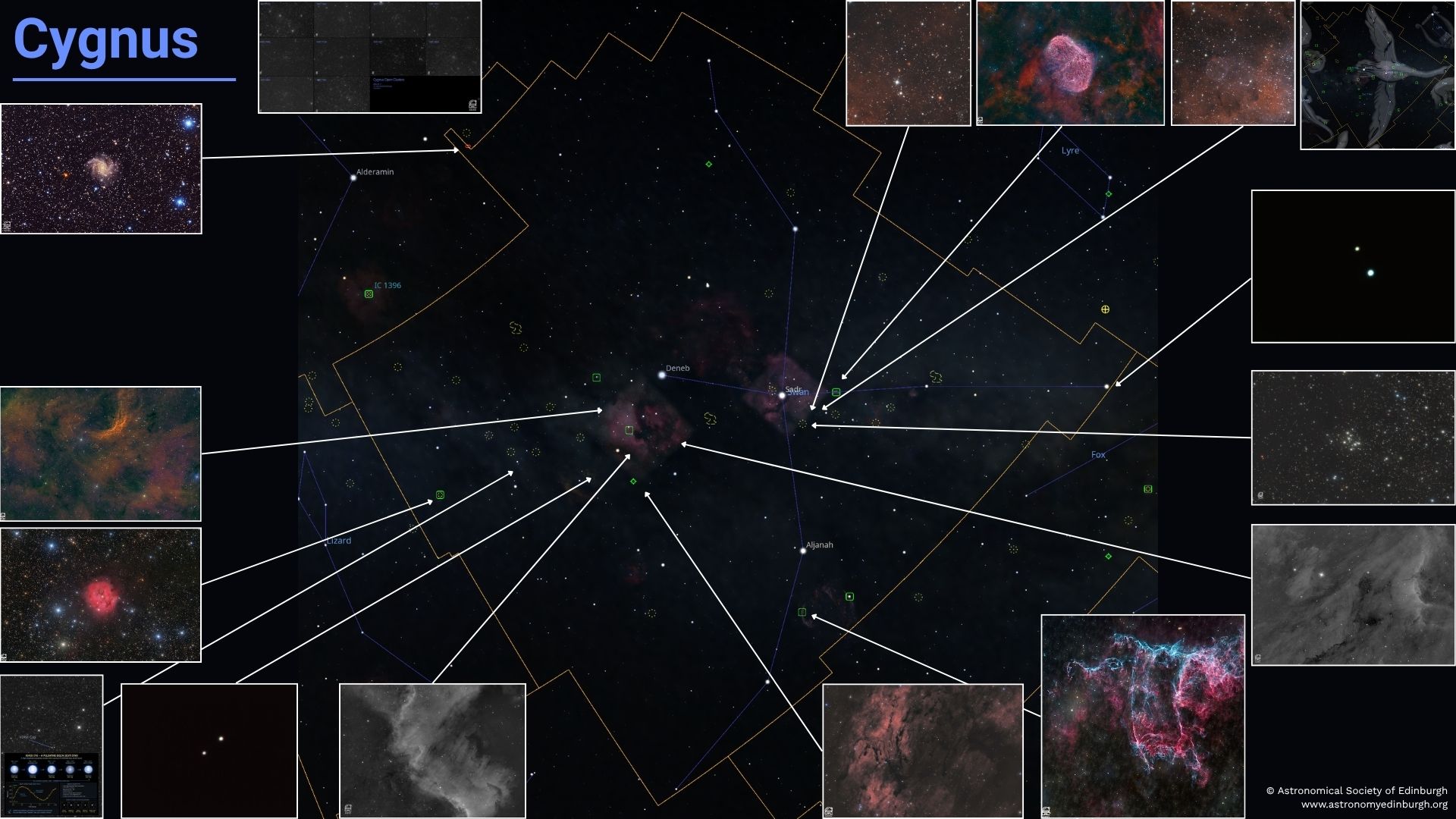
Cygnus the Swan
M29 Open Cluster
Pelican Nebula IC 5070
Cygnus Wall
61 Cygni, double star
Albireo, double star
Supernova Remnant SNR G085.9-00.6
Eastern Veil / Bat Nebula
NGC 6946 Fireworks Galaxy
NGC 6888 - Crescent Nebula
IC 5146 Cocoon Nebula
Open Clusters in various locations
Soap Bubble, Planetary Nebula
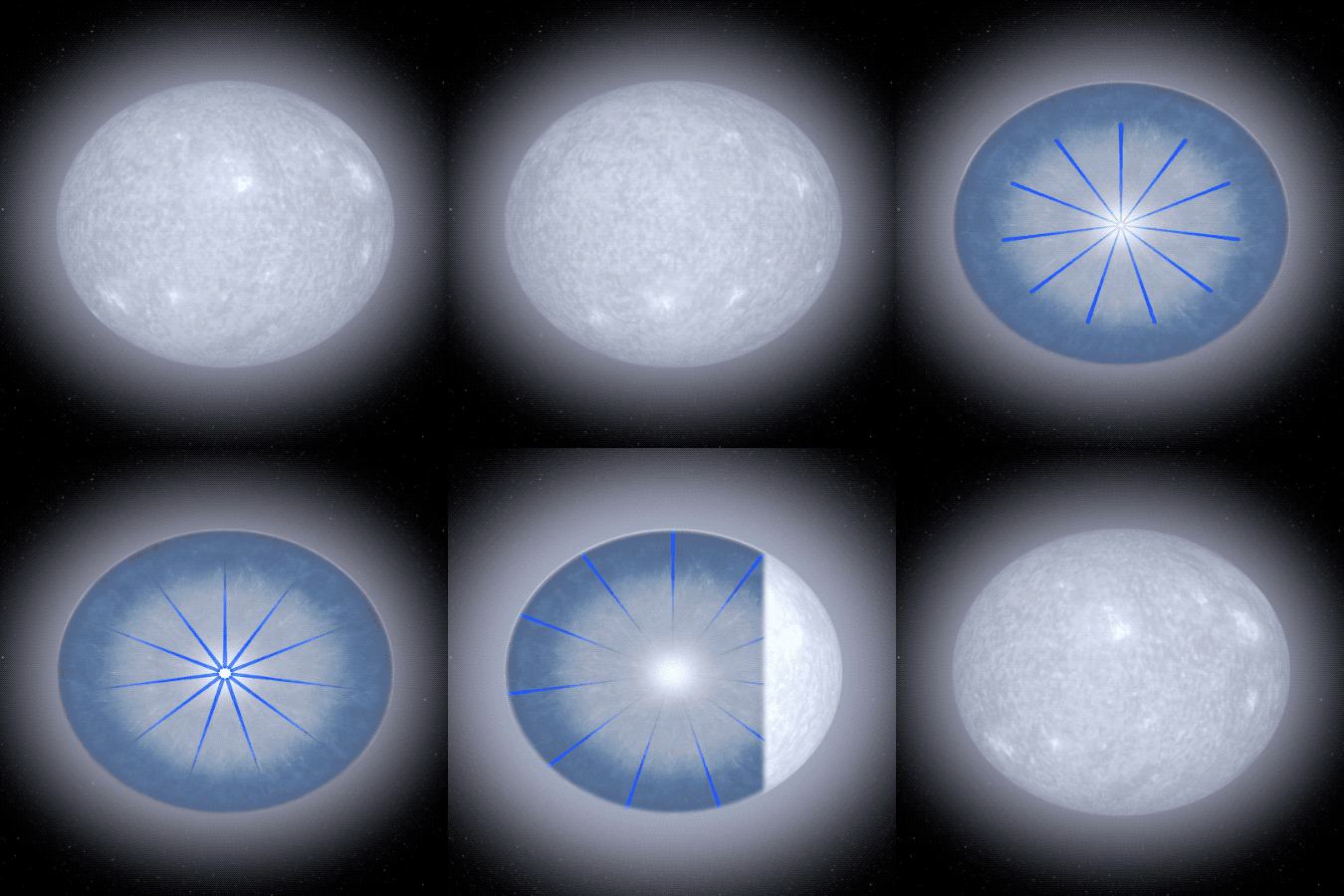
V2455 Cyg, fast pulsating variable star
Abell 69, Planetary Nebula
LDN907, Dark Nebula
Cygnus is a northern constellation on the plane of the Milky Way, deriving its name from the Latinized Greek word for "swan". Cygnus is one of the most recognizable constellations of the northern summer and autumn, and it features a prominent asterism known as the Northern Cross (in contrast to the Southern Cross). Cygnus was among the 48 constellations listed by the 2nd century astronomer Ptolemy, and it remains one of the 88 modern constellations.
Cygnus contains Deneb (ذنب, translit. ḏanab, tail)—one of the brightest stars in the night sky and the most distant first-magnitude star—as its "tail star" and one corner of the Summer Triangle. It also has some notable X-ray sources and the giant stellar association of Cygnus OB2. One of the stars of this association, NML Cygni, is one of the largest stars currently known. The constellation is also home to Cygnus X-1, a distant X-ray binary containing a supergiant and unseen massive companion that was the first object widely held to be a black hole. Many star systems in Cygnus have known planets as a result of the Kepler Mission observing one patch of the sky, an area around Cygnus.
Most of the east has part of the Hercules–Corona Borealis Great Wall in the deep sky, a giant galaxy filament that is the largest known structure in the observable universe, covering most of the northern sky.
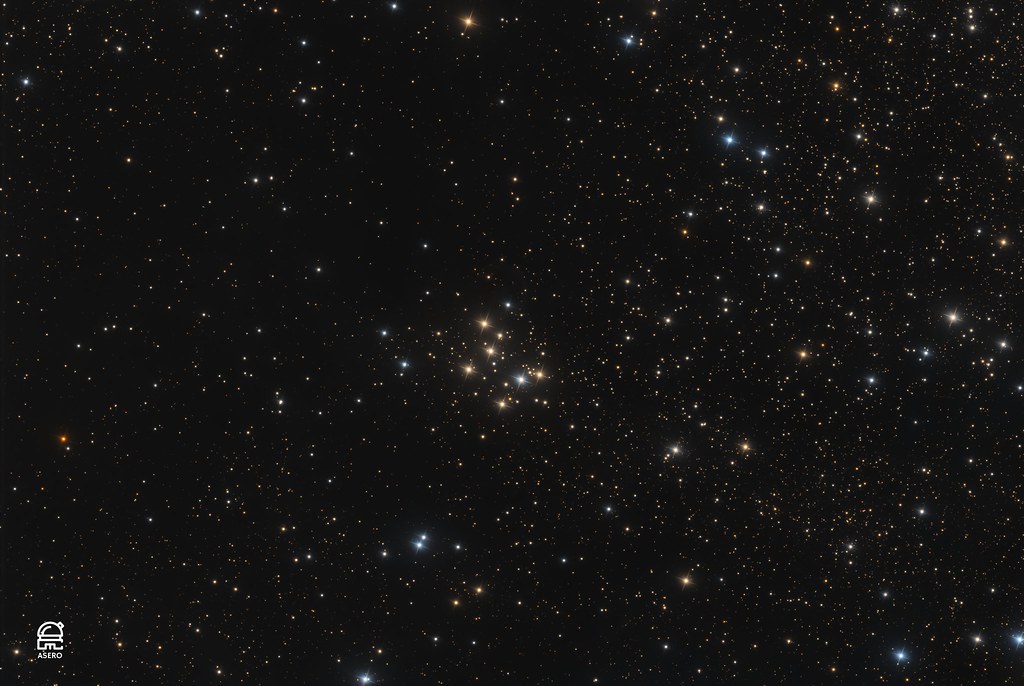
M29 Open Cluster, P.Devine / ASERO
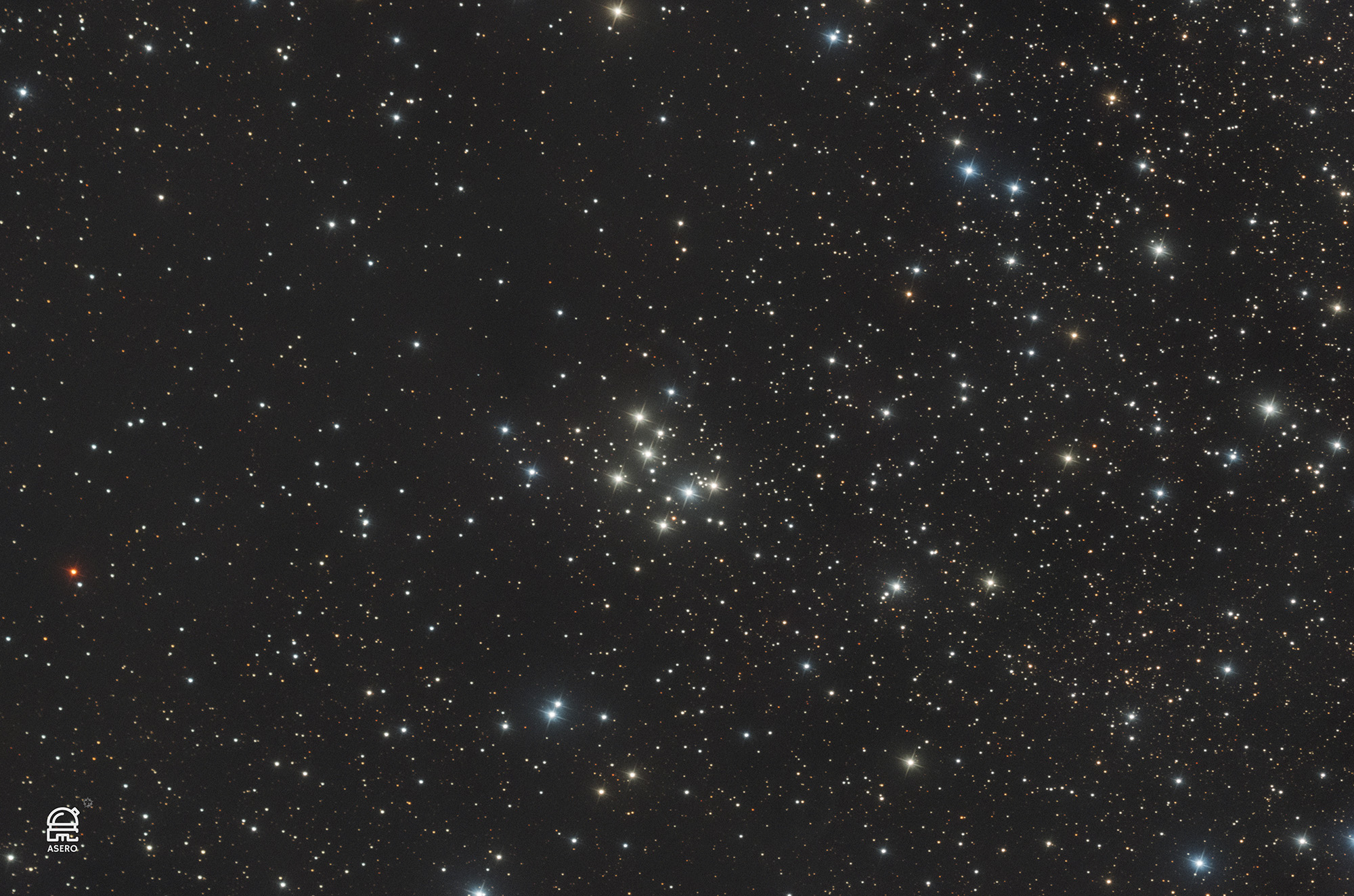
M29 Open Cluster, M. Phillips / ASERO
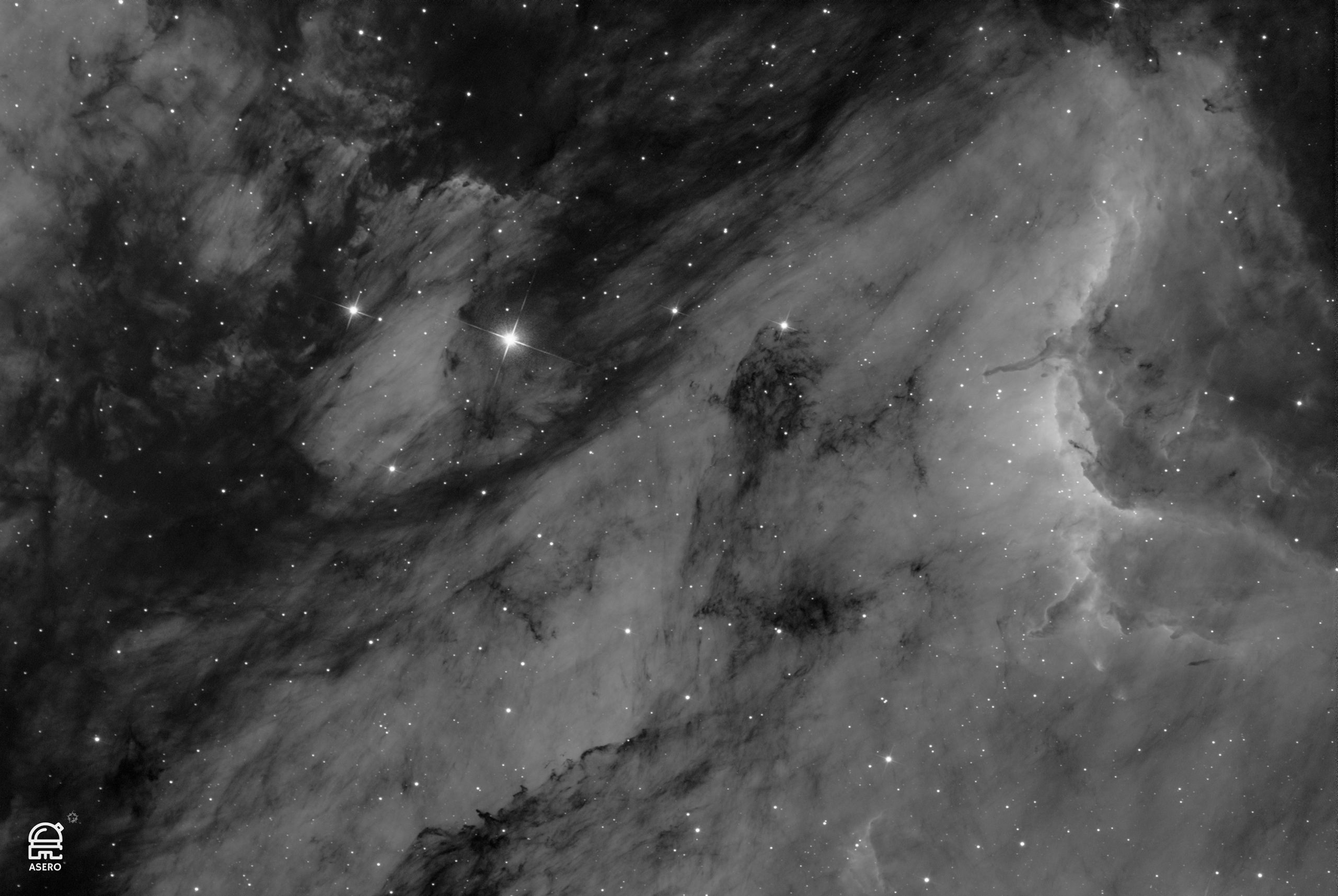
Pelican Nebula IC 5070, M/ Phillips / ASERO
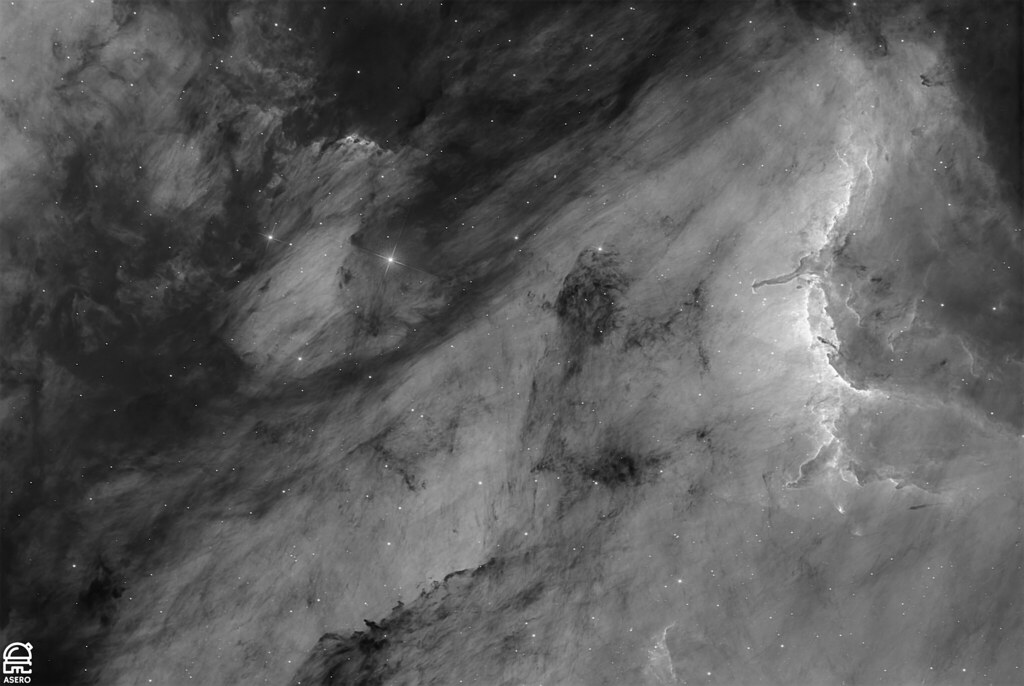
Pelican Nebula IC 5070, J. Briggs / ASERO
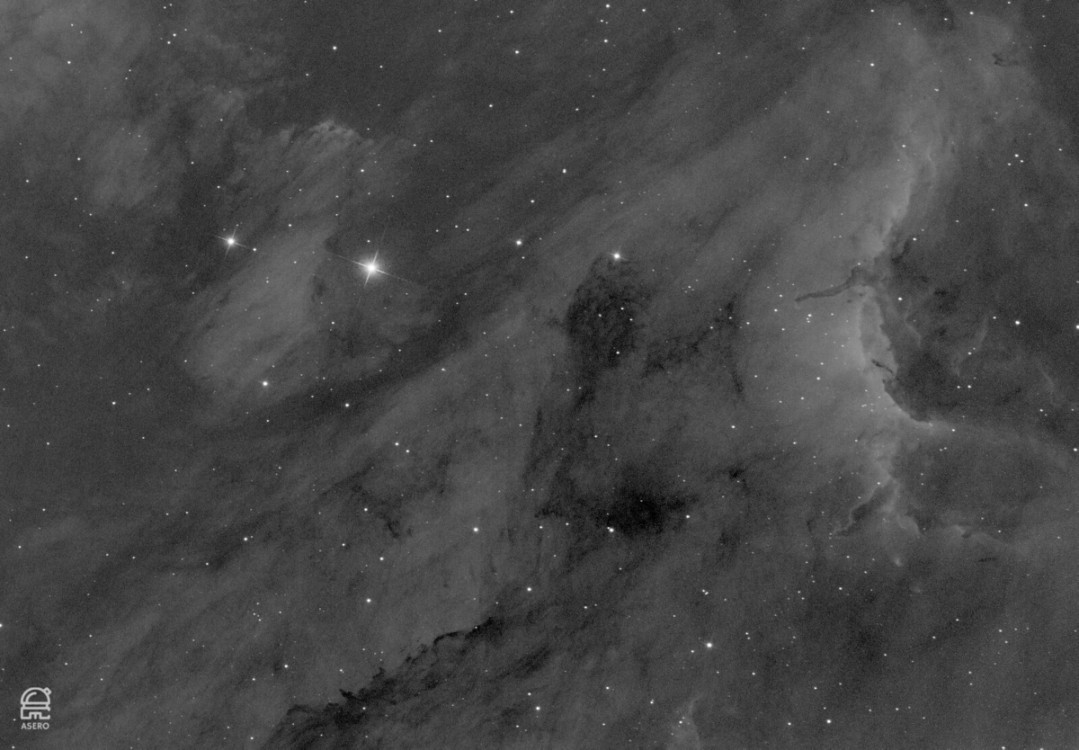
IC5070 Pelican Nebula in Ha, R. Arnold / ASERO
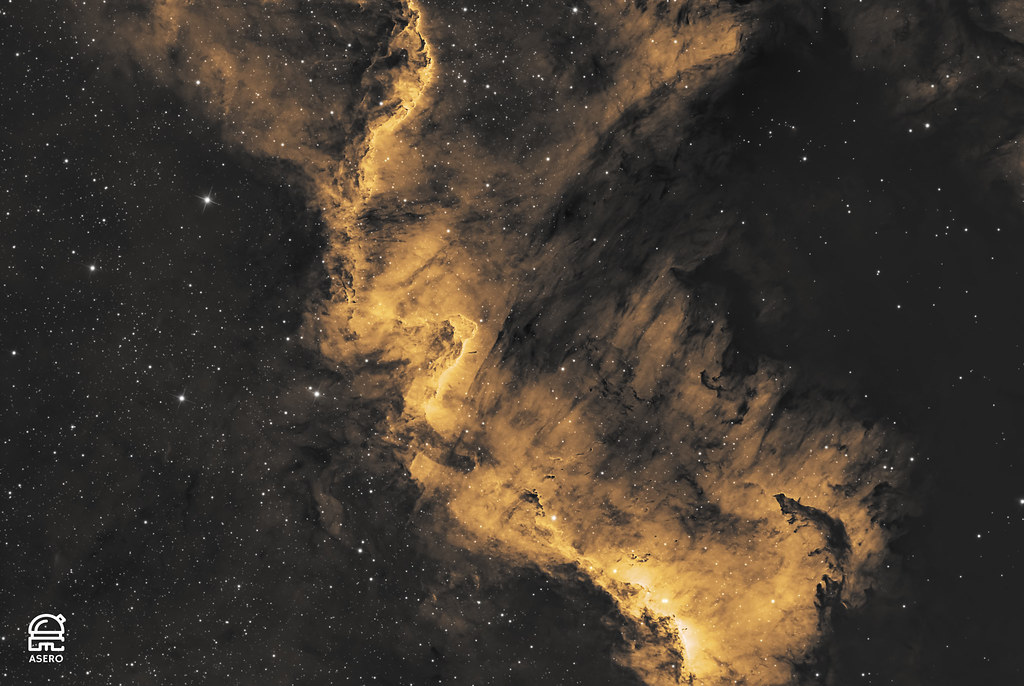
Cygnus Wall, P. Devine / ASERO
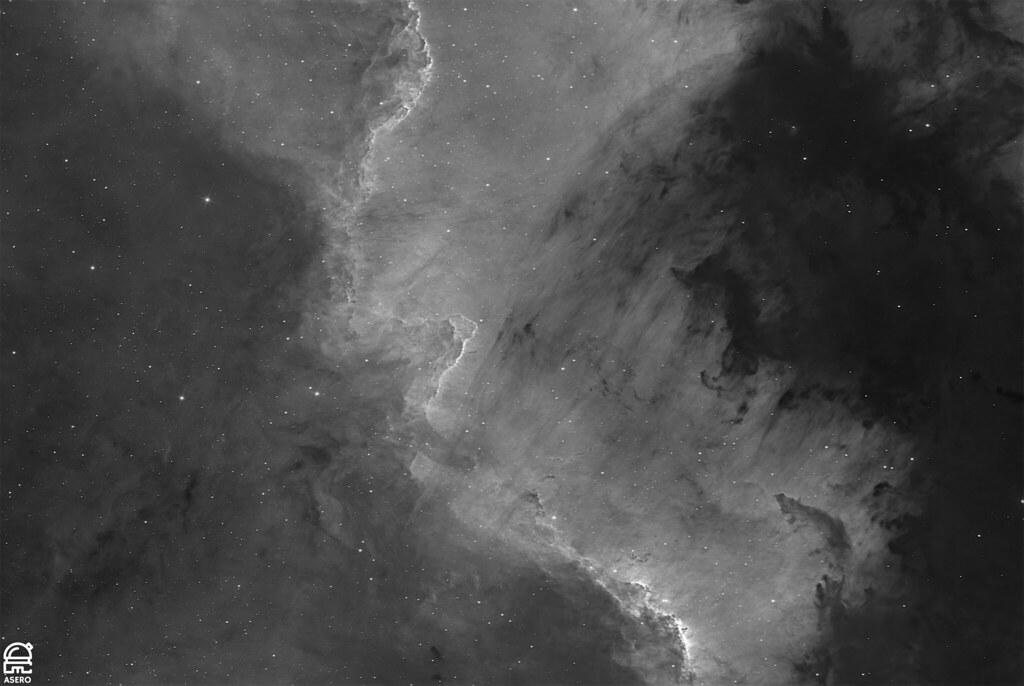
Cygnus Wall, J. Briggs / ASERO
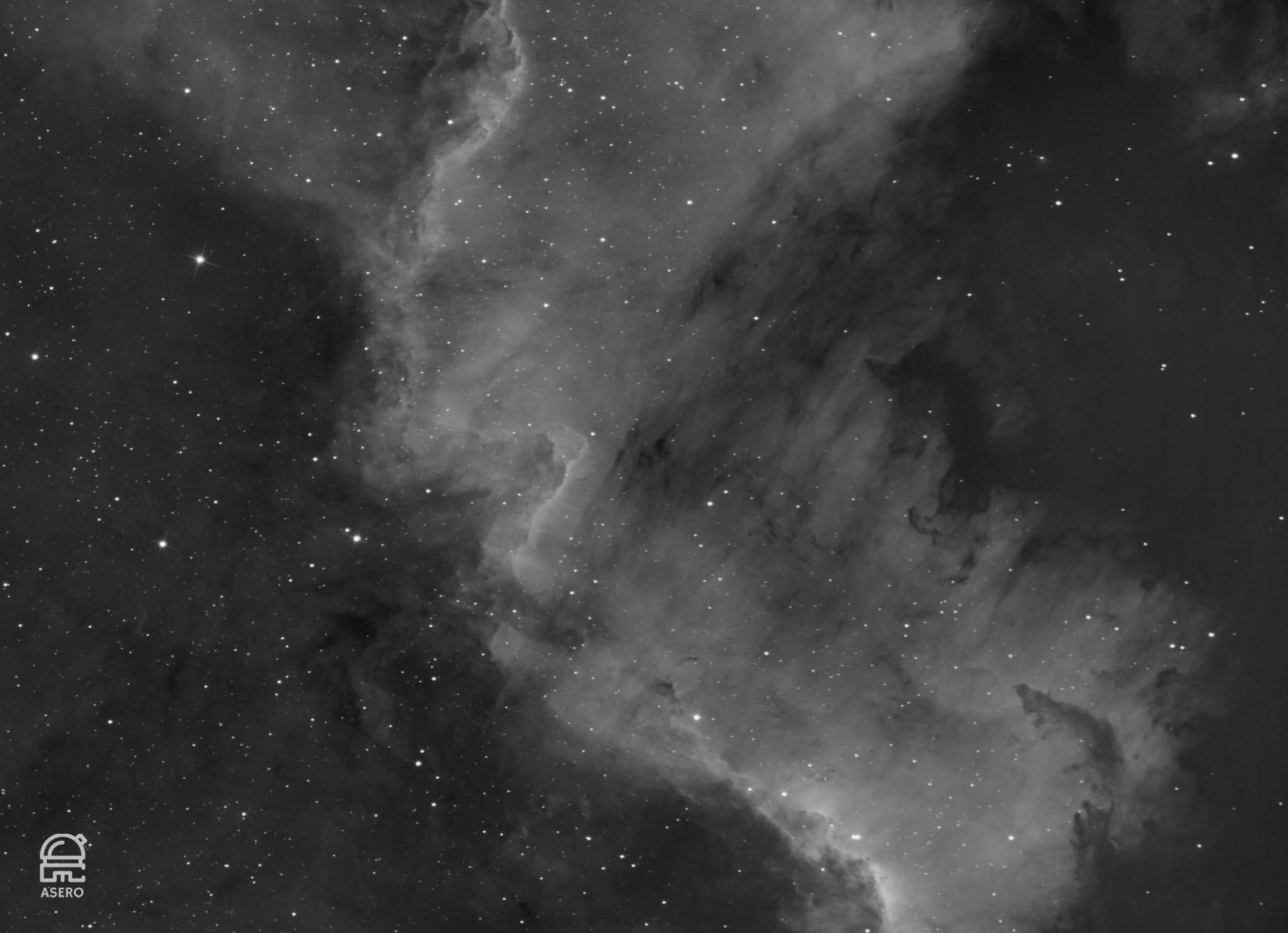
Cygnus Wall in Ha, R. Arnold / ASERO,
part of North America Nebula NGC 7000
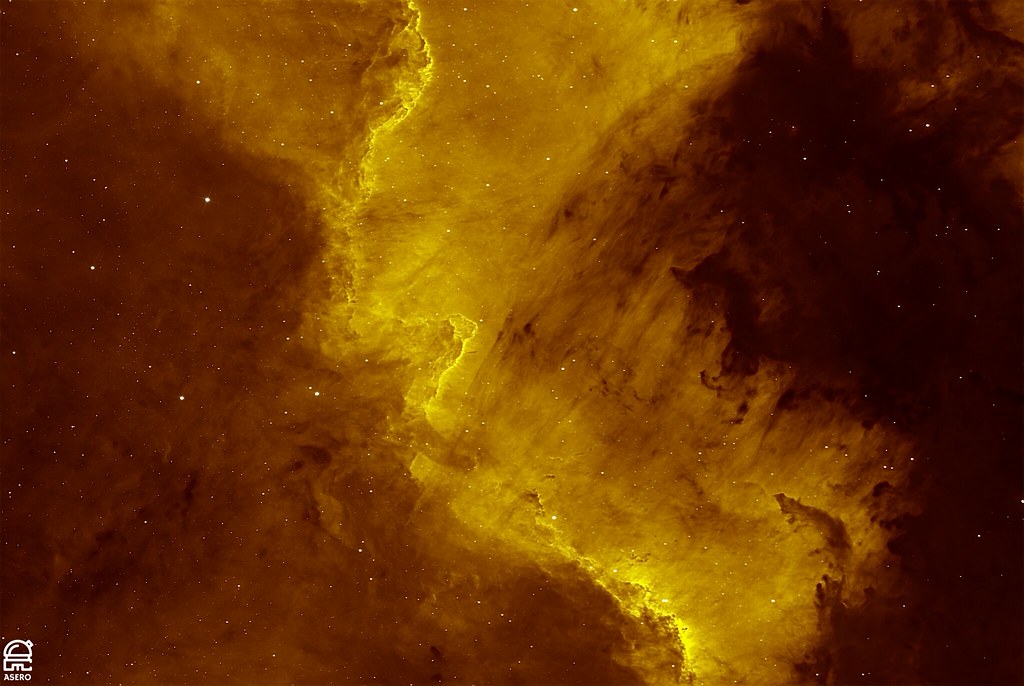
The Cygnus Wall in Ha colourised, J. Briggs, ASERO
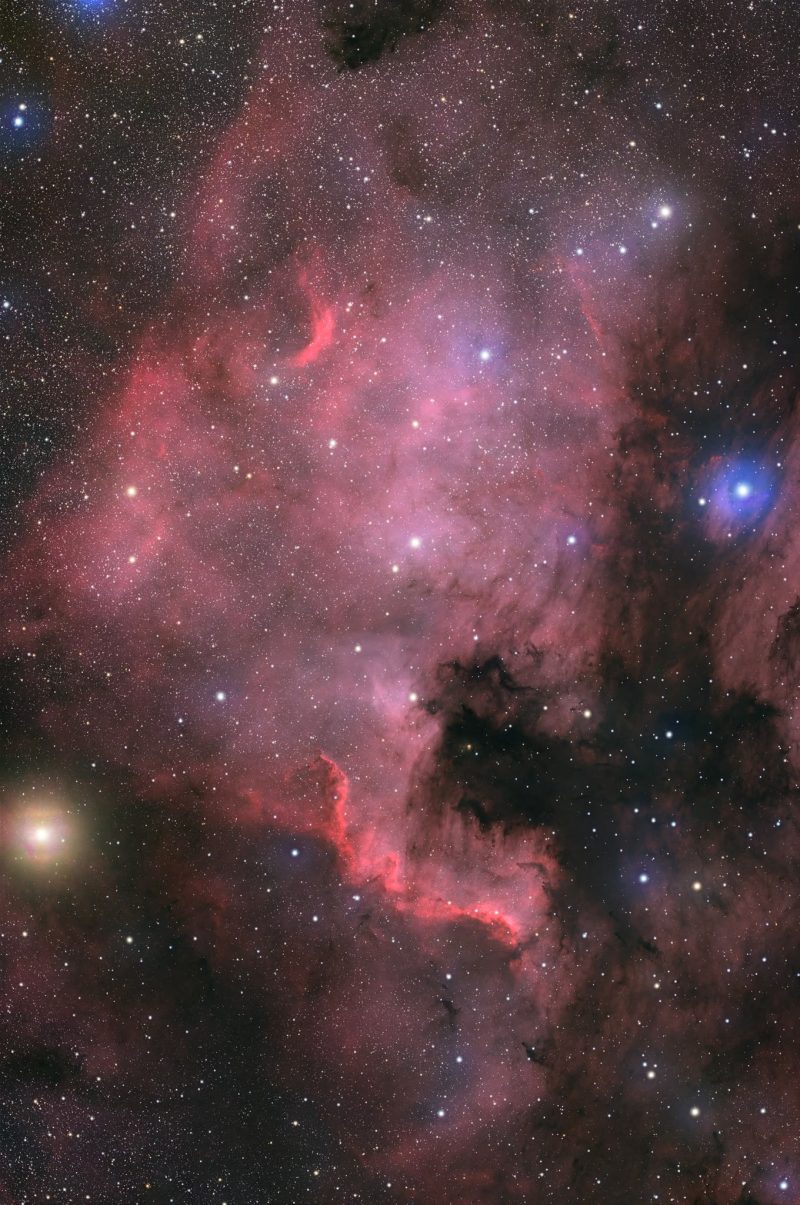
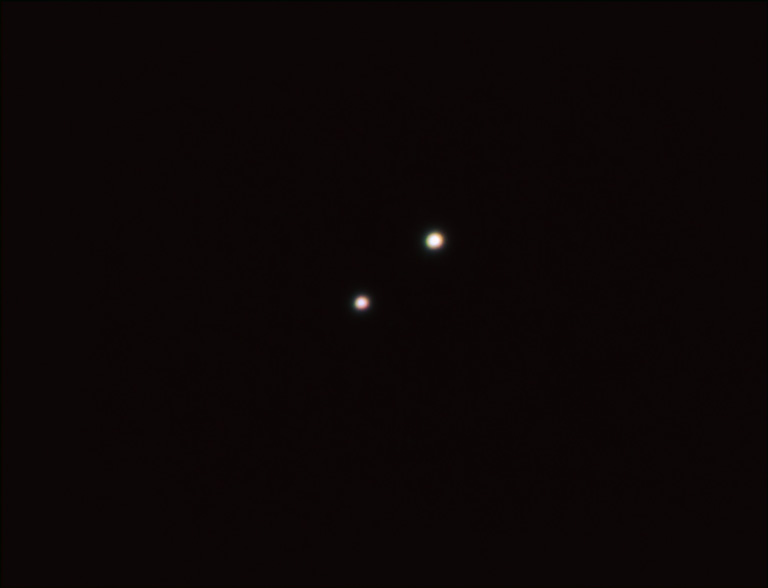
61 Cygnus, double star, M. Phillips. "...a binary star system in the northern constellation Cygnus, consisting of a pair of K-type dwarf stars that orbit each other in a period of about 659 years. Of apparent magnitude 5.20 and 6.05, respectively, they can be seen with binoculars in city skies or with the naked eye in rural areas without light pollution. 61 Cygni first attracted the attention of astronomers when its large proper motion was first demonstrated by Giuseppe Piazzi in 1804. In 1838, Friedrich Bessel measured its distance from Earth at about 10.4 light-years, very close to the actual value of about 11.4 light-years; this was the first distance estimate for any star other than the Sun, and the first star to have its stellar parallax measured. Among all stars or stellar systems listed in the latest Gaia catalogues, 61 Cygni has the sixth-highest proper motion, and the highest among all naked-eye visible stars." Wikipedia
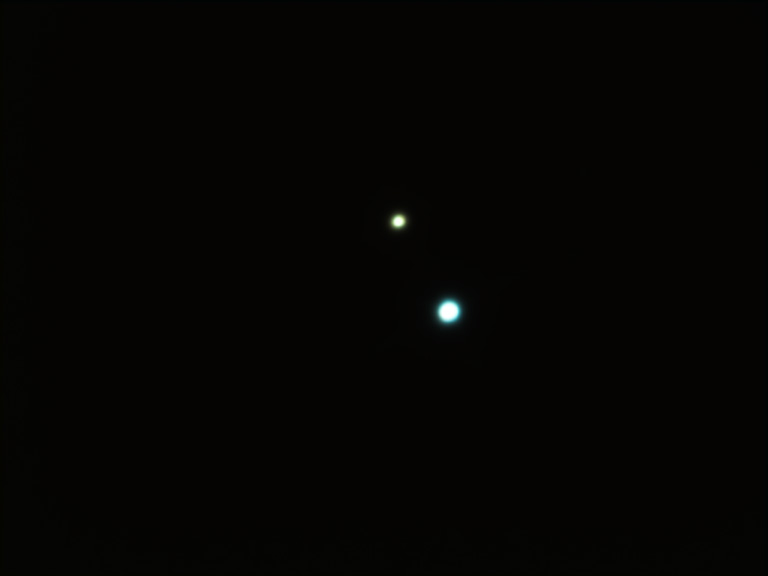
Albireo, double star, M.Phillips. "Albireo is a double star designated Beta Cygni (β Cygni, abbreviated Beta Cyg, β Cyg). The International Astronomical Union uses the name "Albireo" specifically for the brightest star in the system. Although designated 'beta', it is fainter than Gamma Cygni, Delta Cygni, and Epsilon Cygni and is the fifth-brightest point of light in the constellation of Cygnus. Appearing to the naked eye to be a single star of magnitude 3, viewing through even a low-magnification telescope resolves it into its two components. The brighter yellow star, itself a very close trinary system, makes a striking colour contrast with its fainter blue companion. Beta Cygni is about 420 light-years (129 pc) away from the Sun. When viewed with the naked eye, Albireo appears to be a single star. However, in a telescope it resolves into a double star consisting of β Cygni A (amber, apparent magnitude 3.1), and β Cygni B (blue-green, apparent magnitude 5.1). Separated by 35 seconds of arc, the two components provide one of the best contrasting double stars in the sky due to their different colors. It is not known whether the two components β Cygni A and B are orbiting around each other in a physical binary system, or if they are merely an optical double. If they are a physical binary, their orbital period is probably at least 100,000 years. Some experts, however, support the optical double argument, based on observations that suggest different proper motions for the components, which implies that they are unrelated." Wikipedia
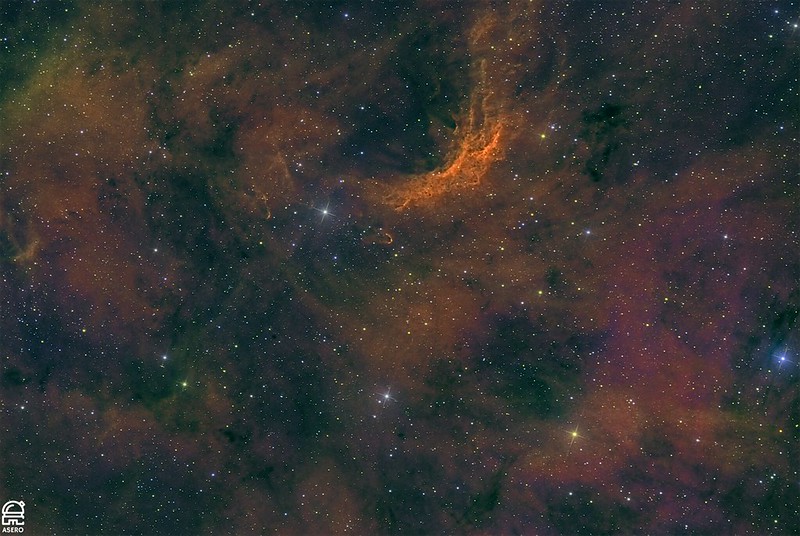
Supernova Remnant SNR G085.9-00.6 J. Briggs ASERO
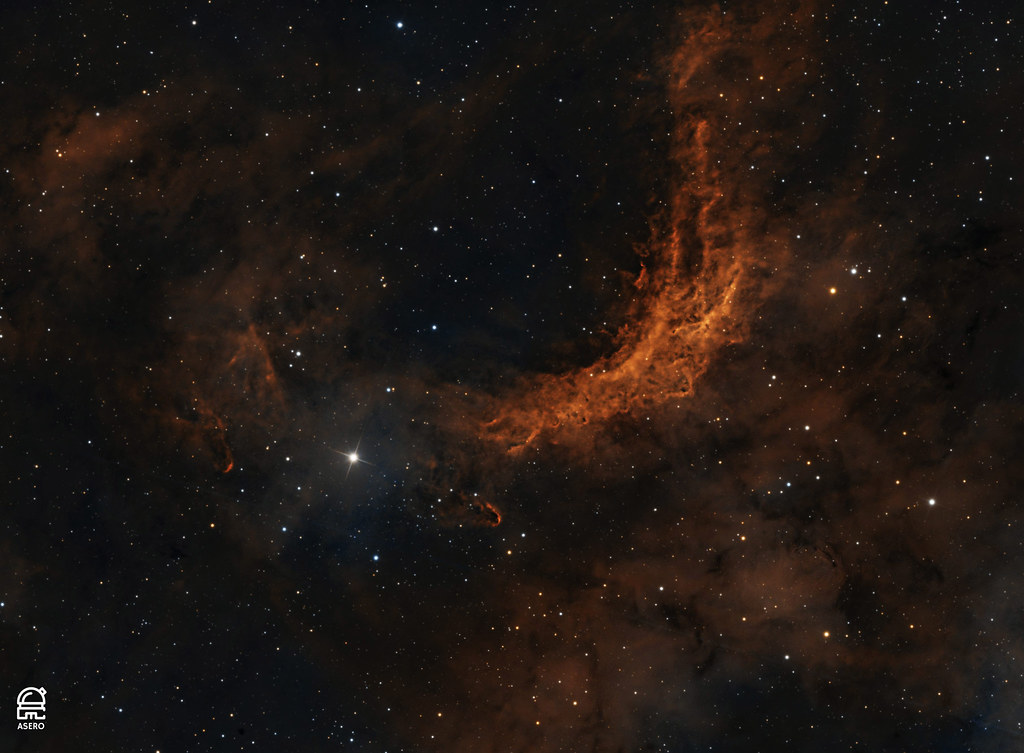
P. Devine ASERO
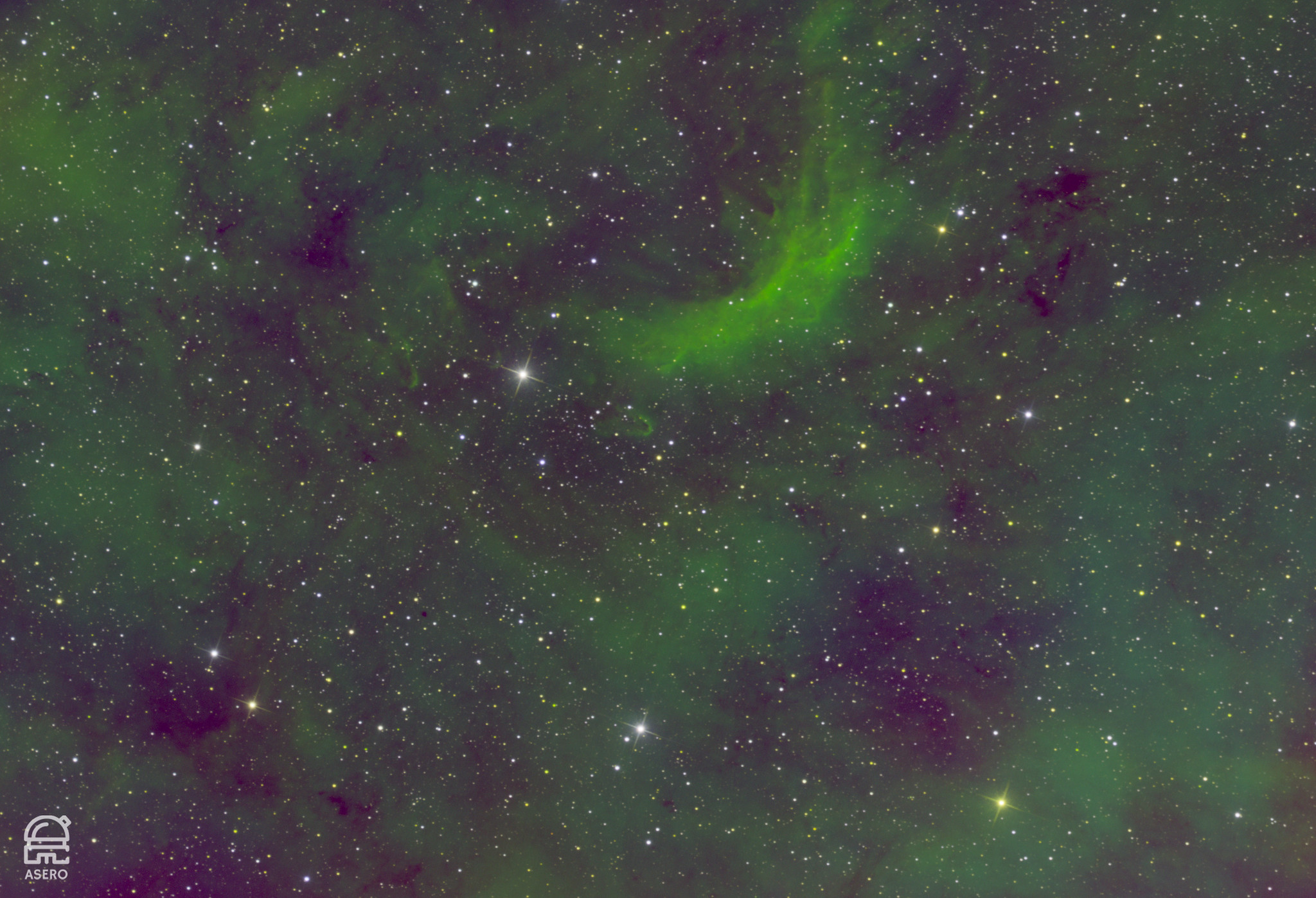
R. Arnold, ASERO
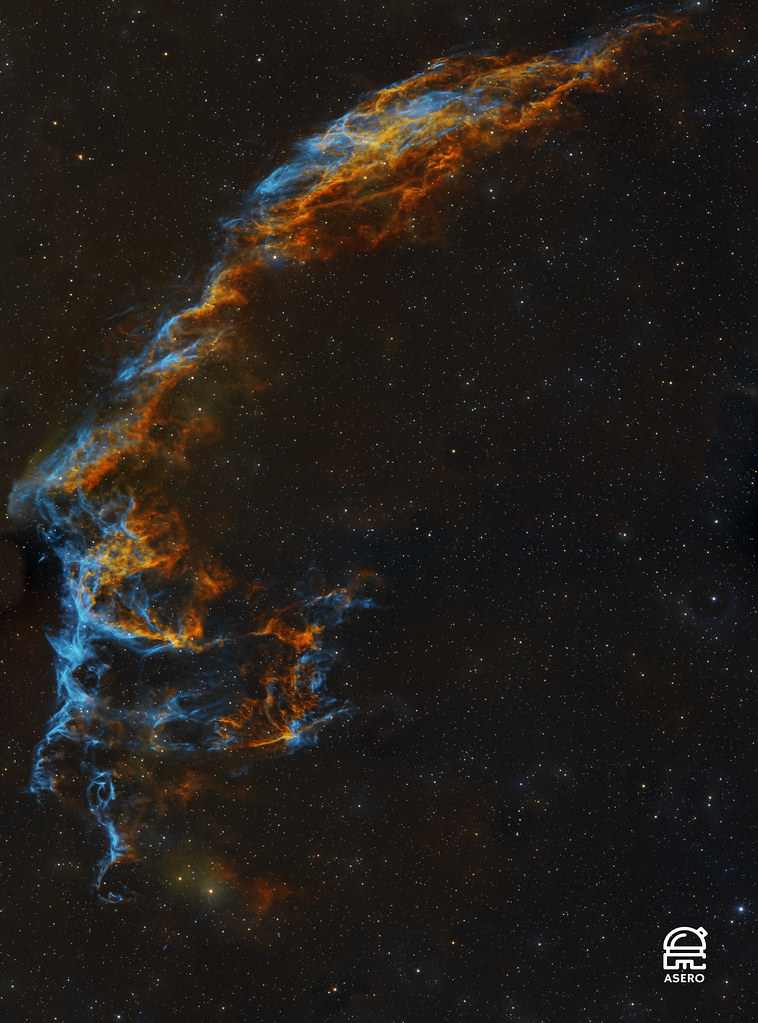
Eastern Veil Nebula P. Devine, ASERO
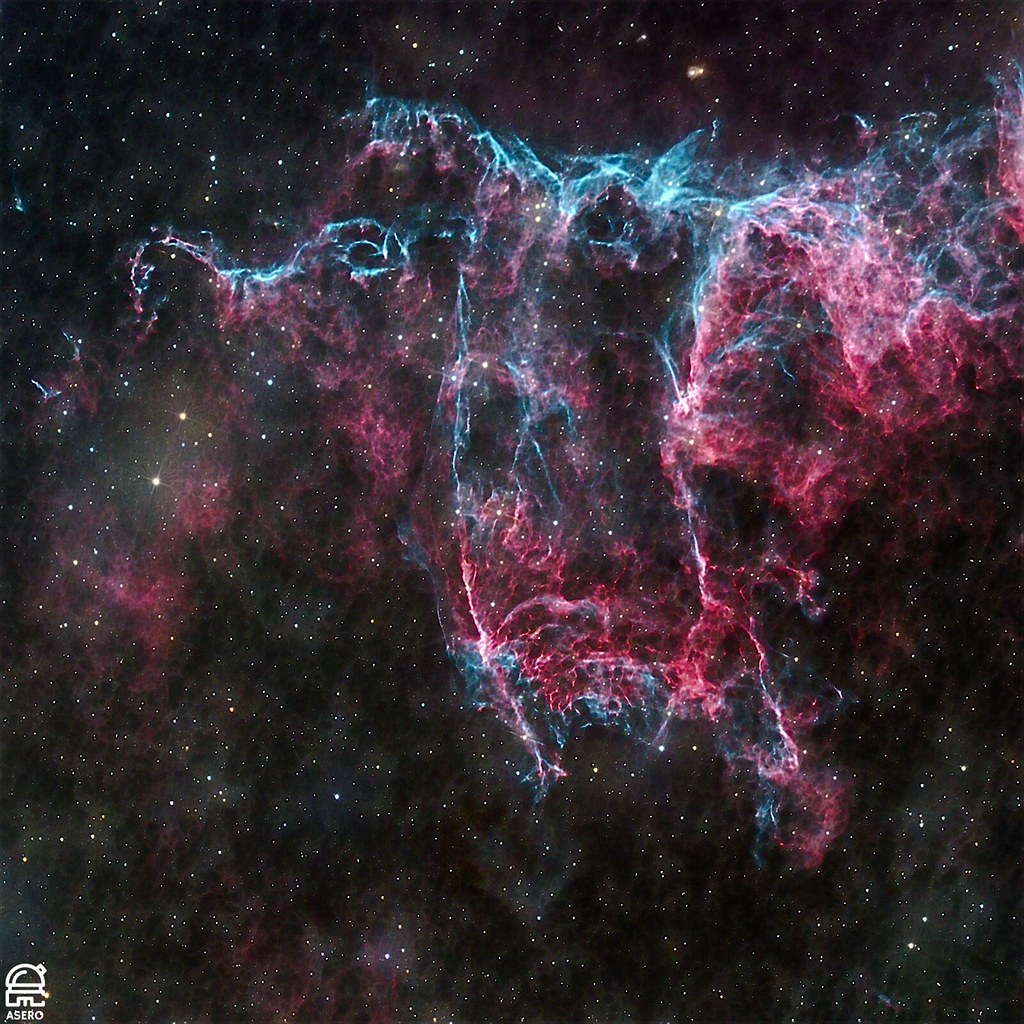
NGC 6995 - Bat Nebula J. Briggs, ASERO
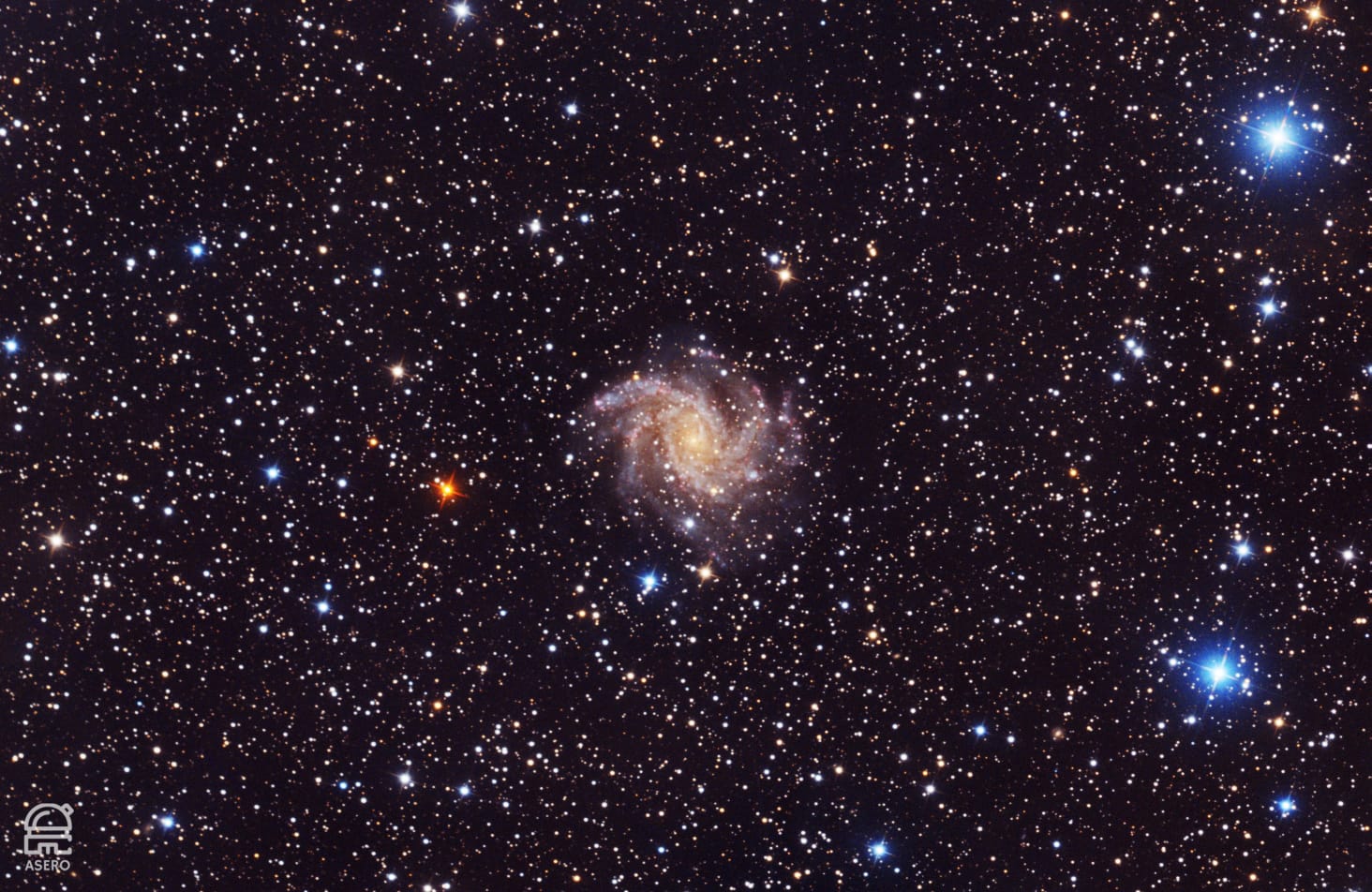
NGC 6946 R. Arnold / ASERO
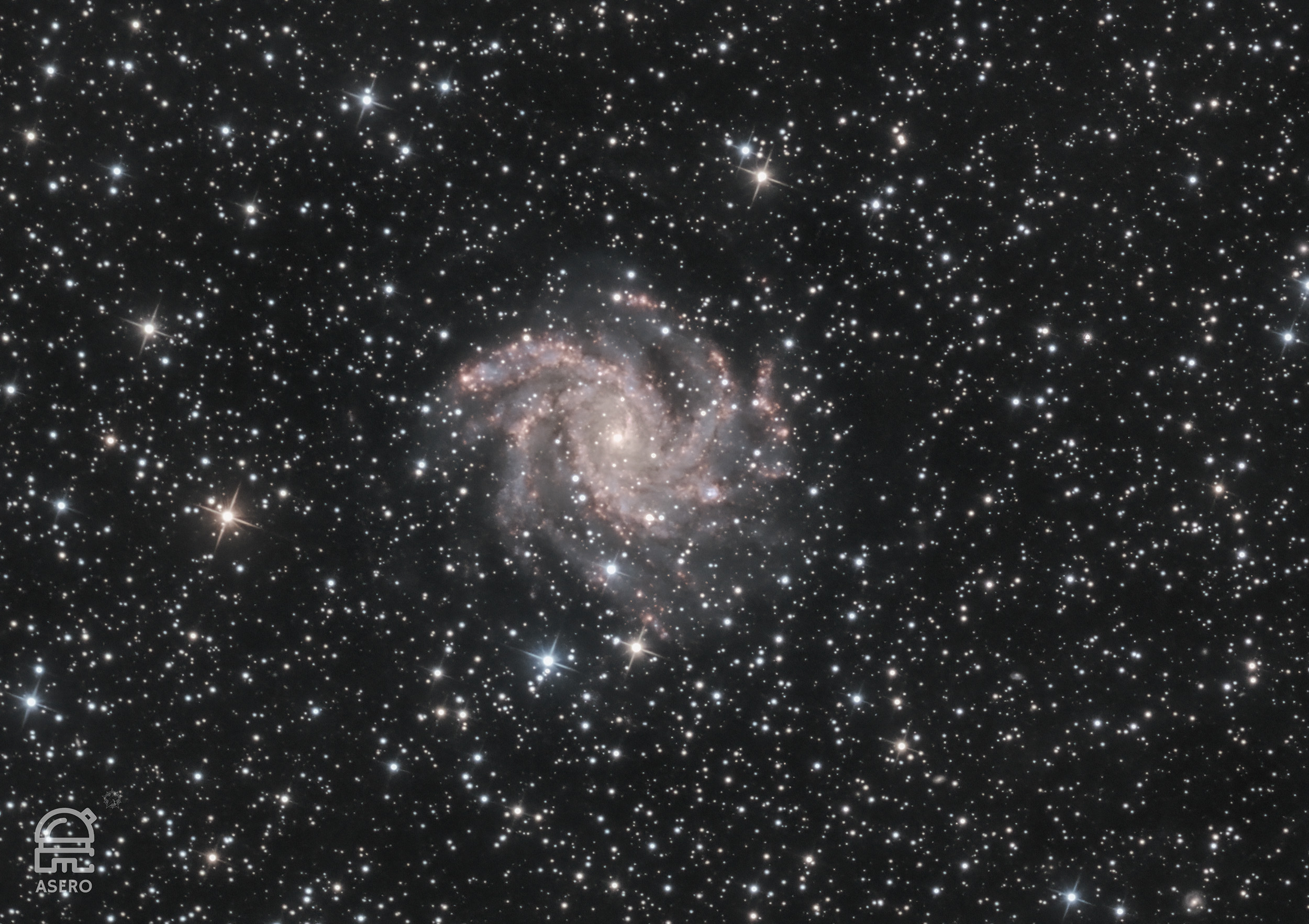
NGC 6946 LHaRGB M. Phillips / ASERO
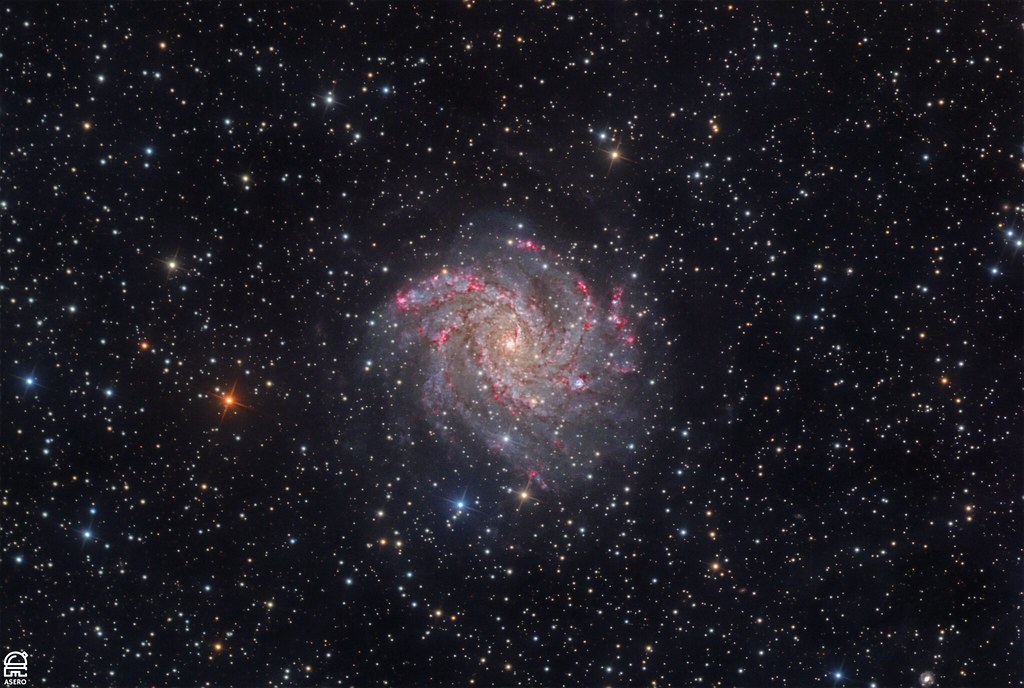
NGC 6946 J. Briggs / ASERO
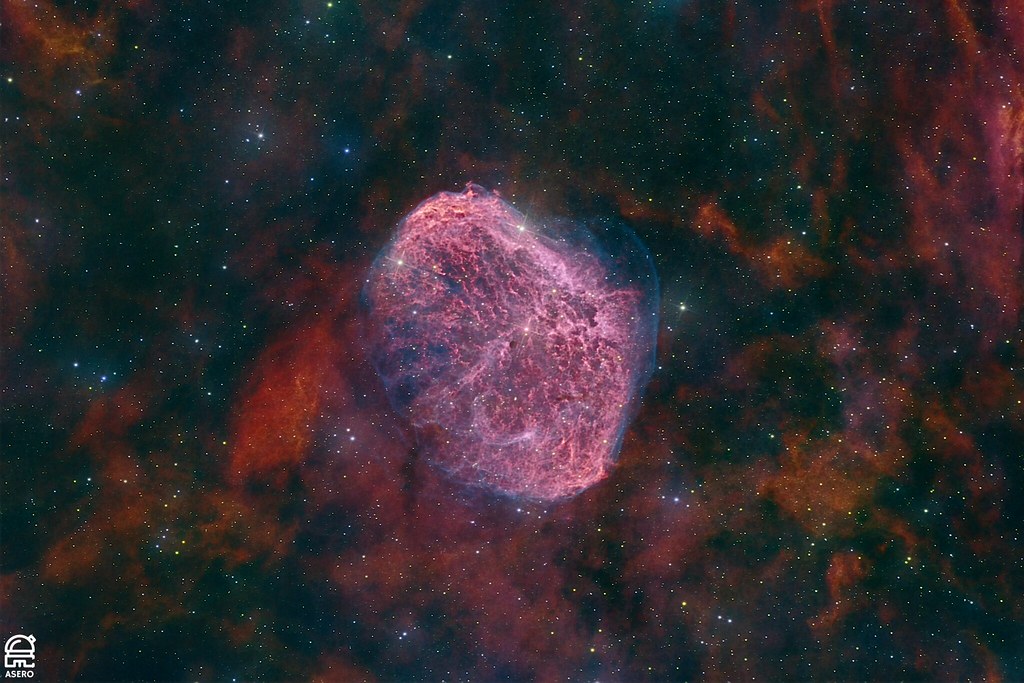
NGC 6888 - Crescent Nebula J. Briggs ASERO
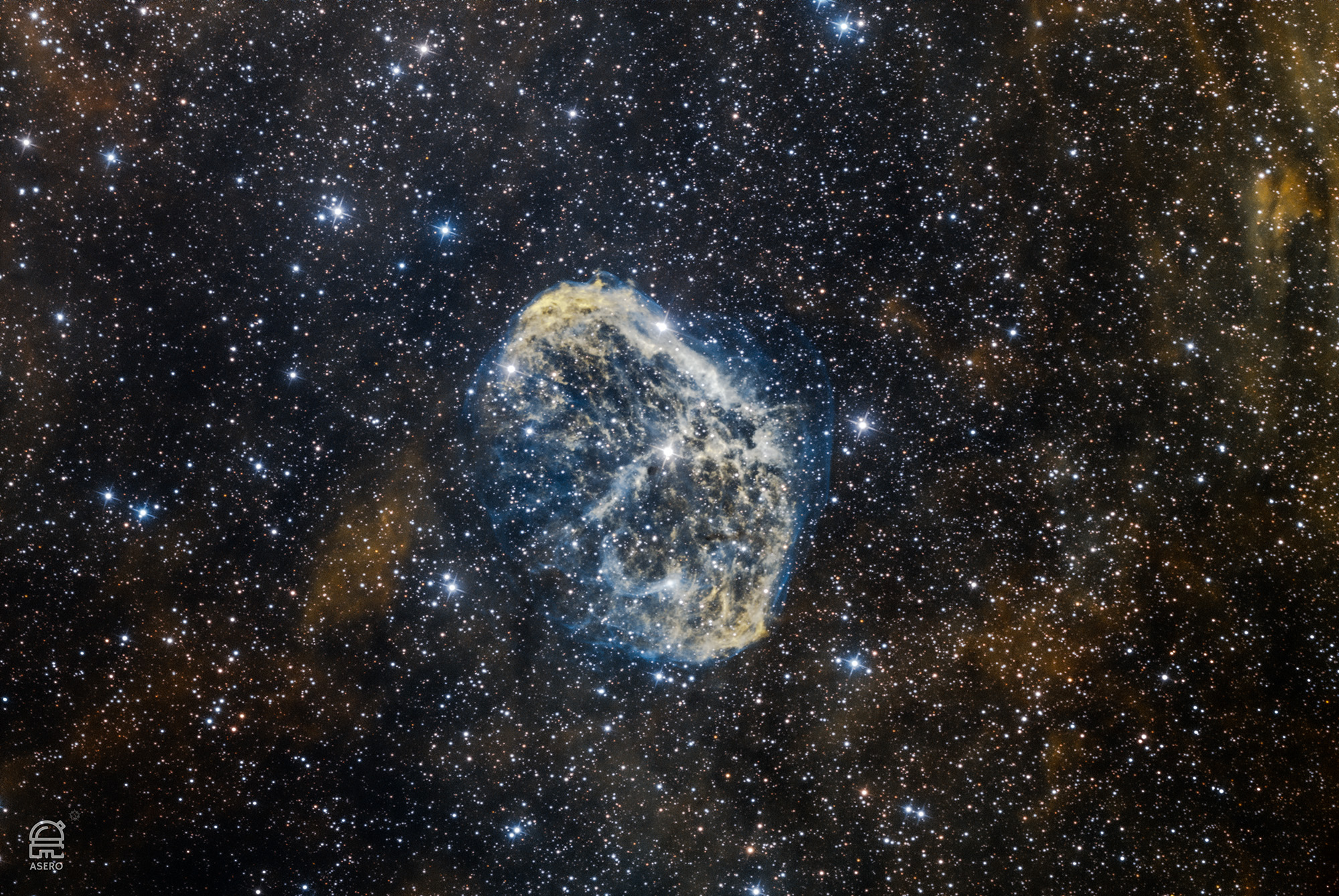
NGC 6888 Crescent Nebula, M. Phillips / ASERO
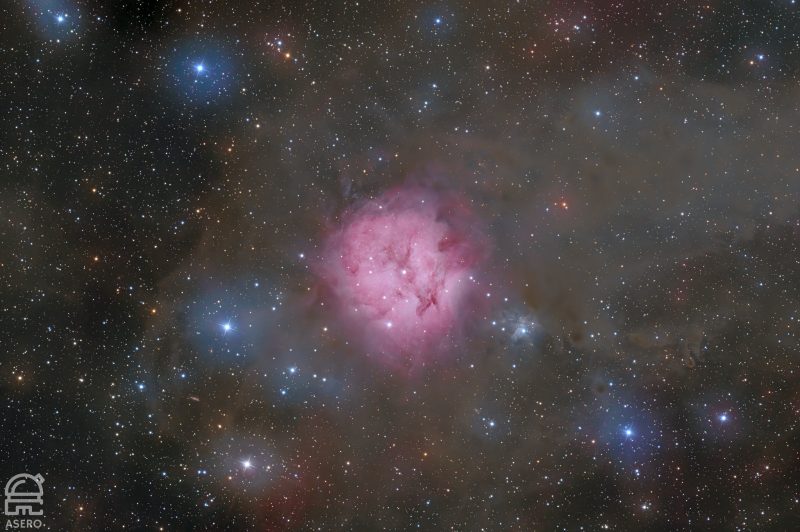
Cocoon B. Lawrence ASERO
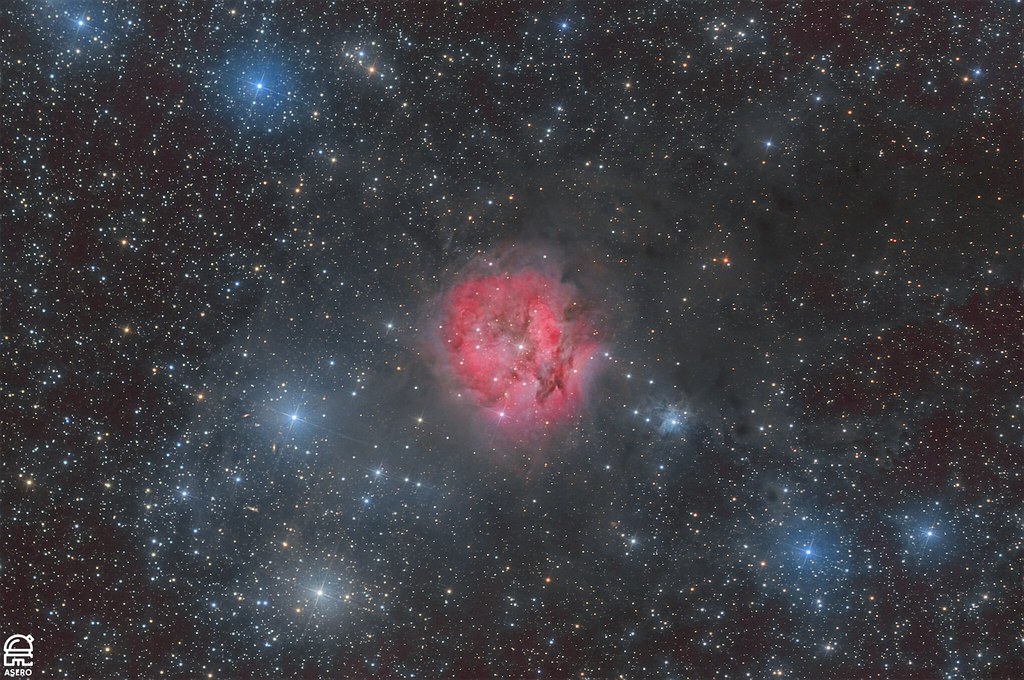
Sh2-125 Cocoon Nebula, J. Briggs / ASERO
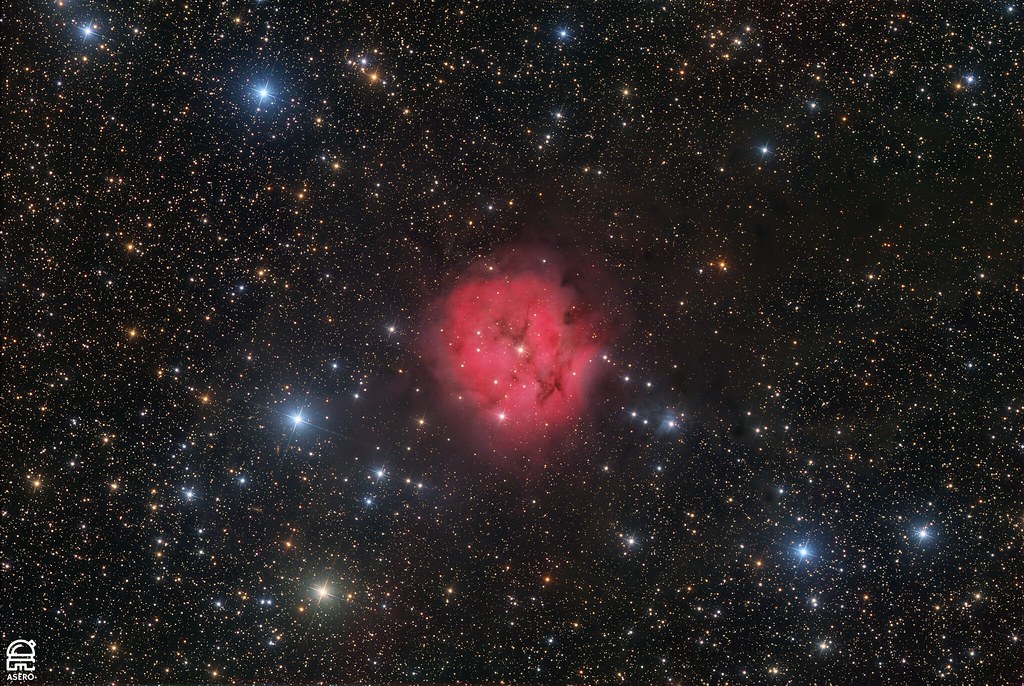
IC 5146 Cocoon Nebula, M. Sansom / ASERO
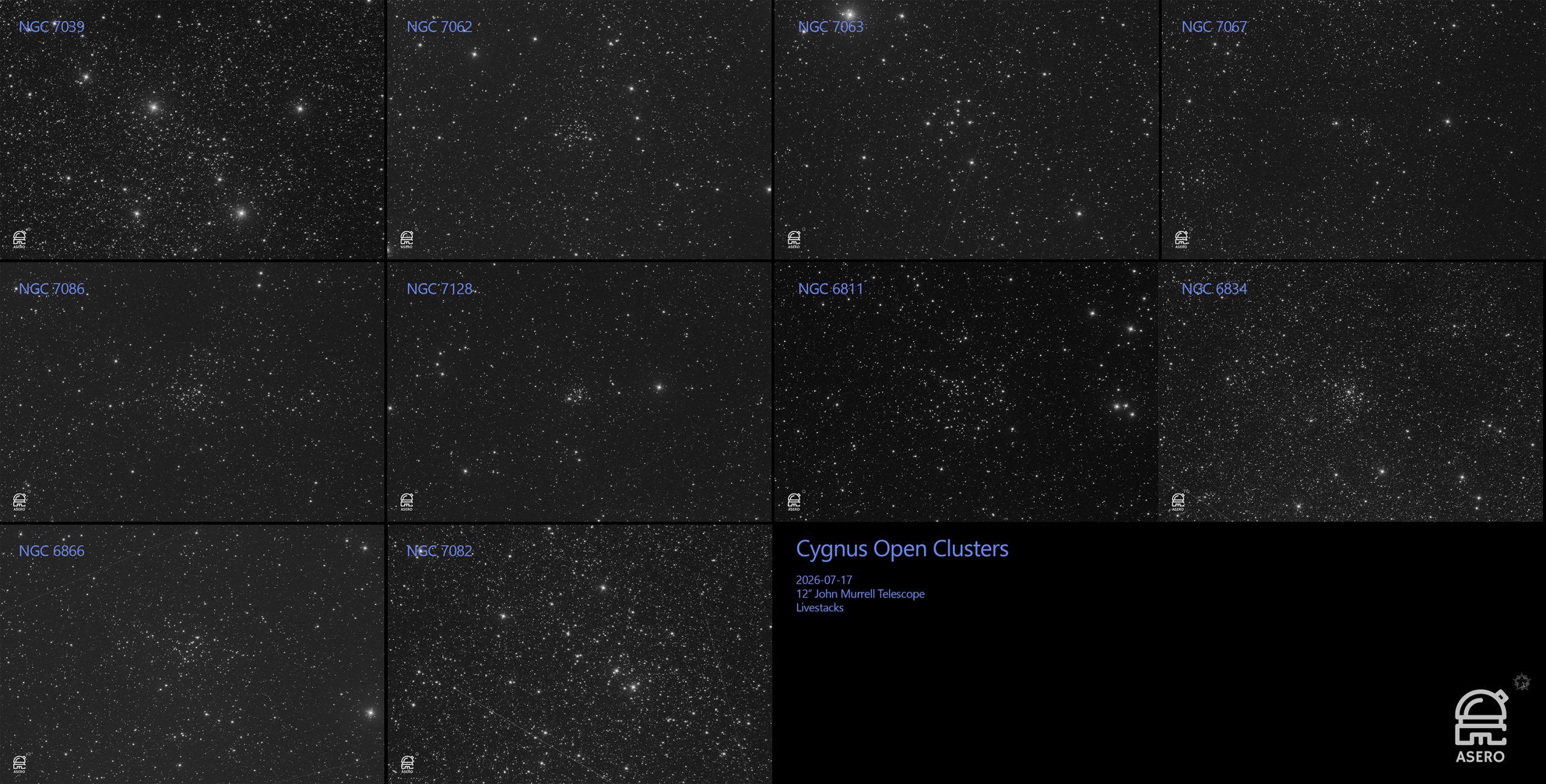
All OCs M. Phillips / ASERO
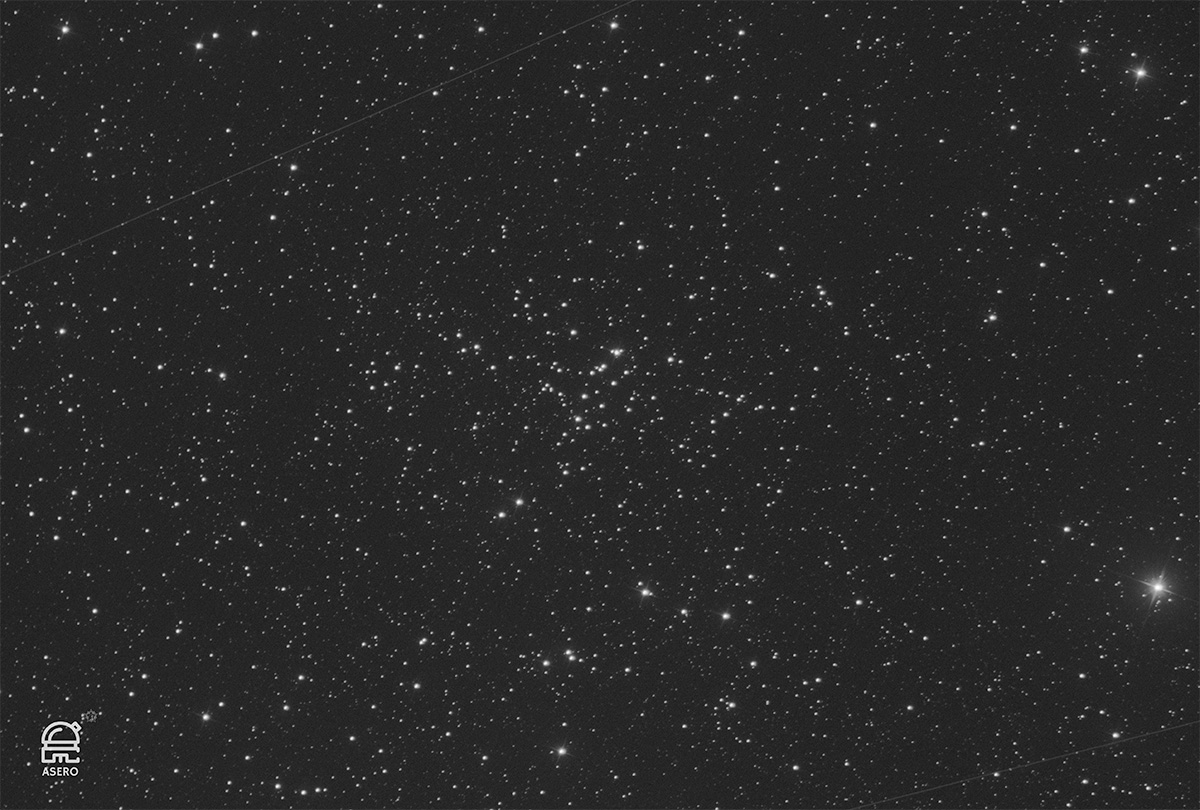
NGC 6866 M. Phillips / ASERO
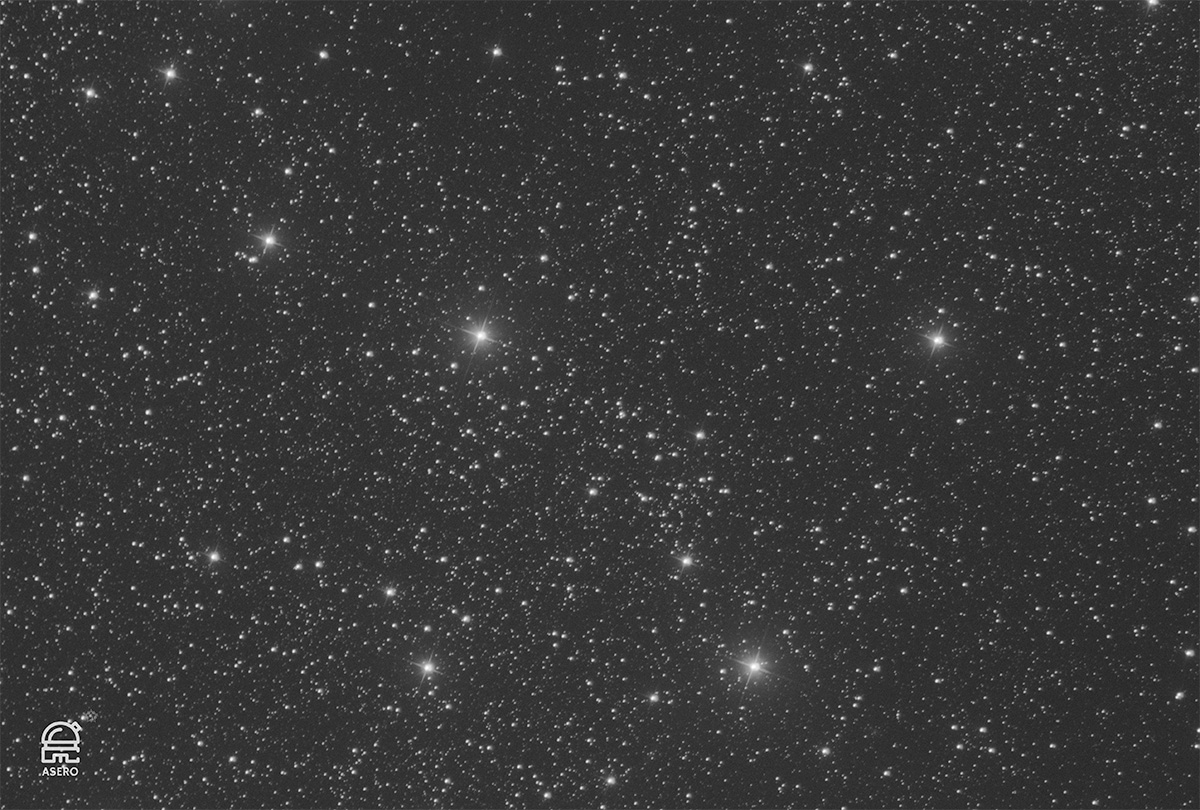
NGC 7039 M. Phillips / ASERO
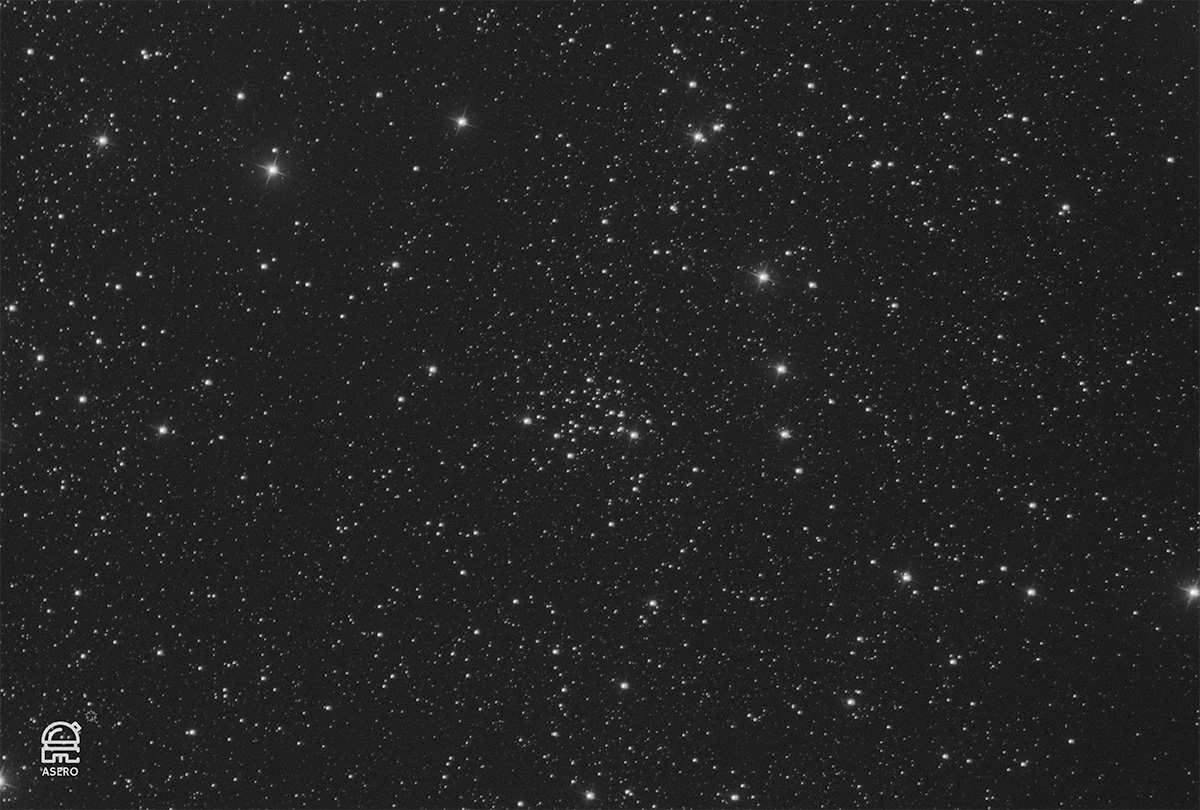
NGC 7062 M. Phillips / ASERO
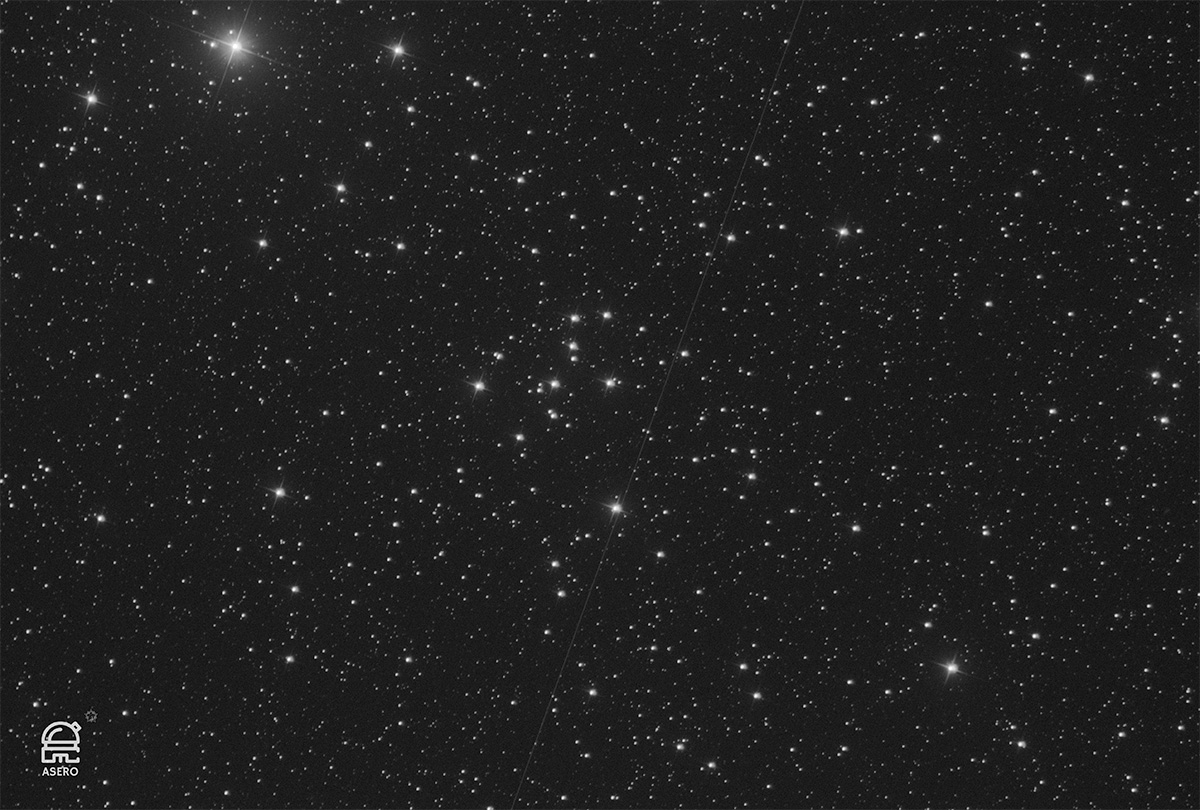
NGC 7063 M. Phillips / ASERO
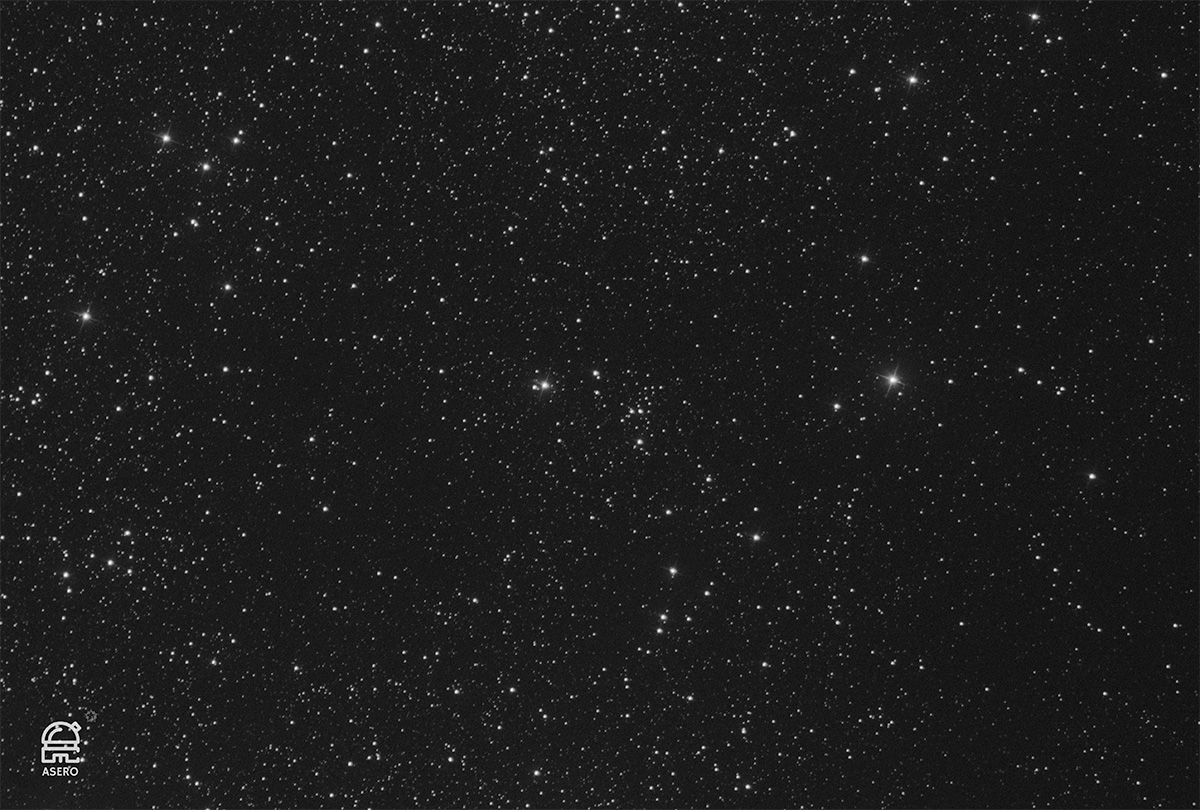
NGC 7067 M. Phillips / ASERO
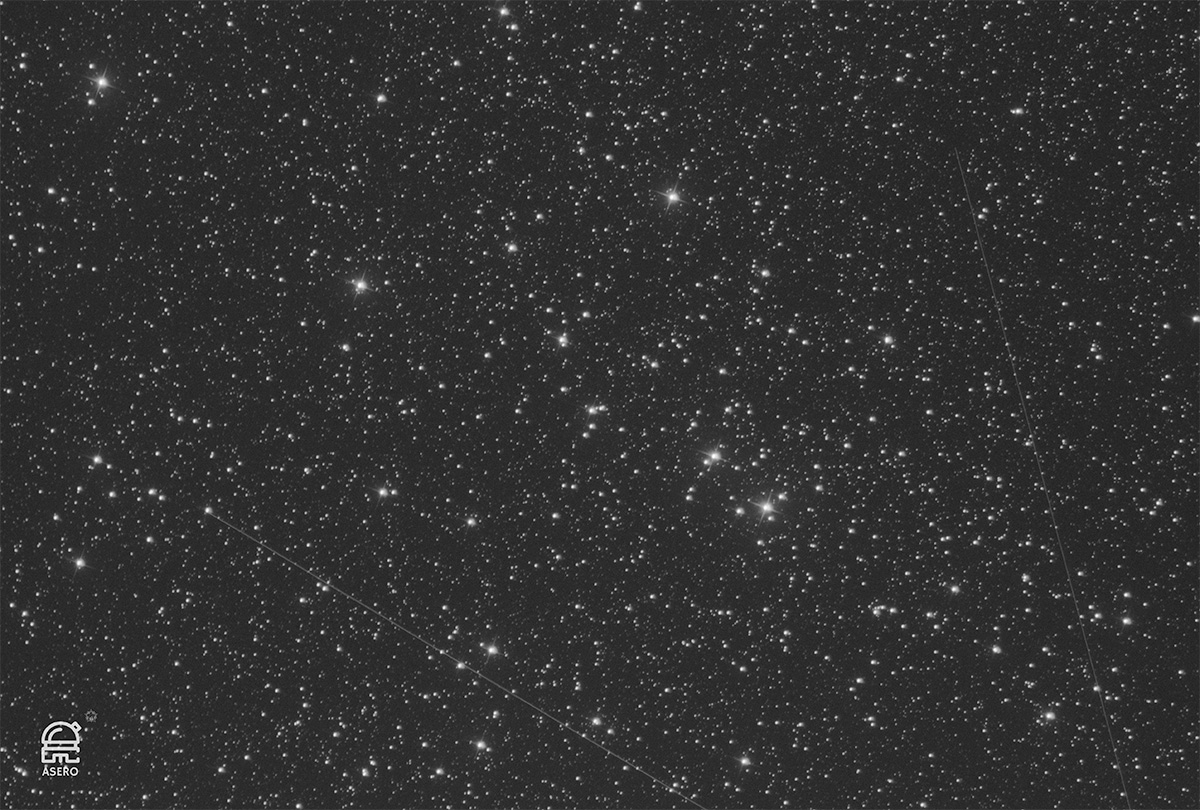
NGC 7082 M. Phillips / ASERO
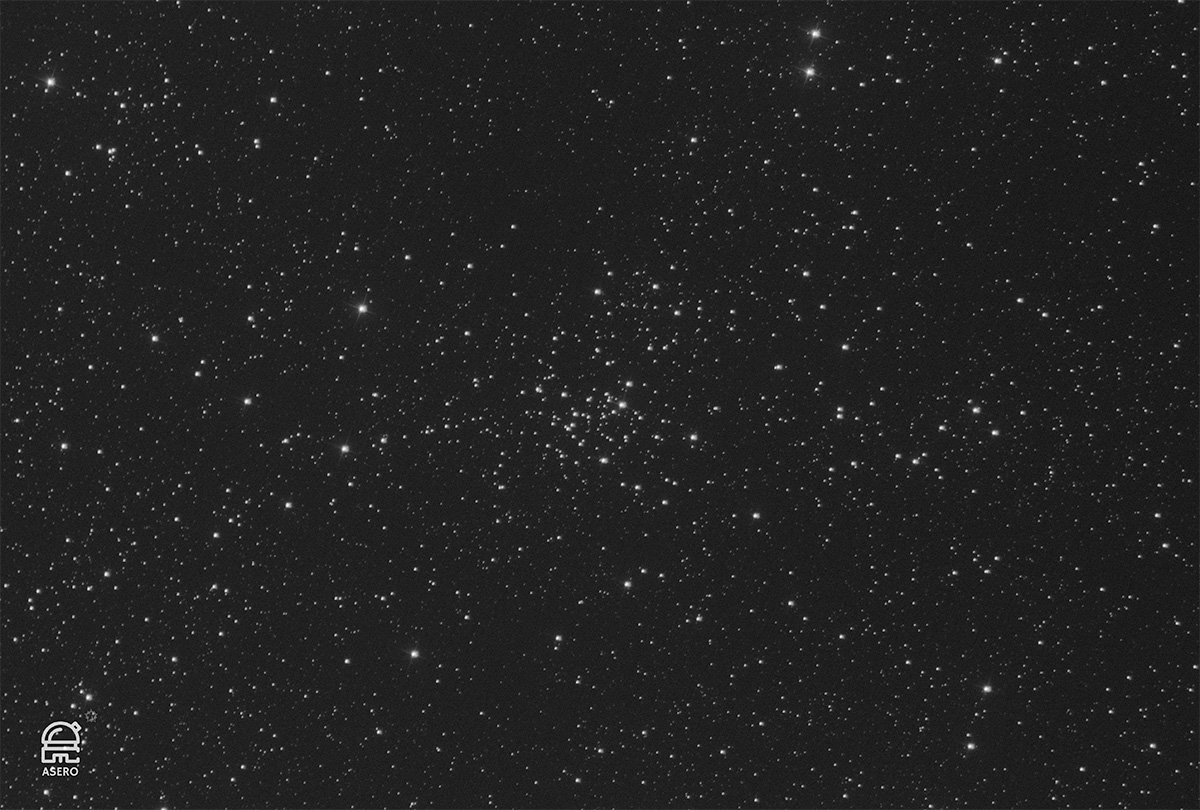
NGC 7086 M. Phillips / ASERO
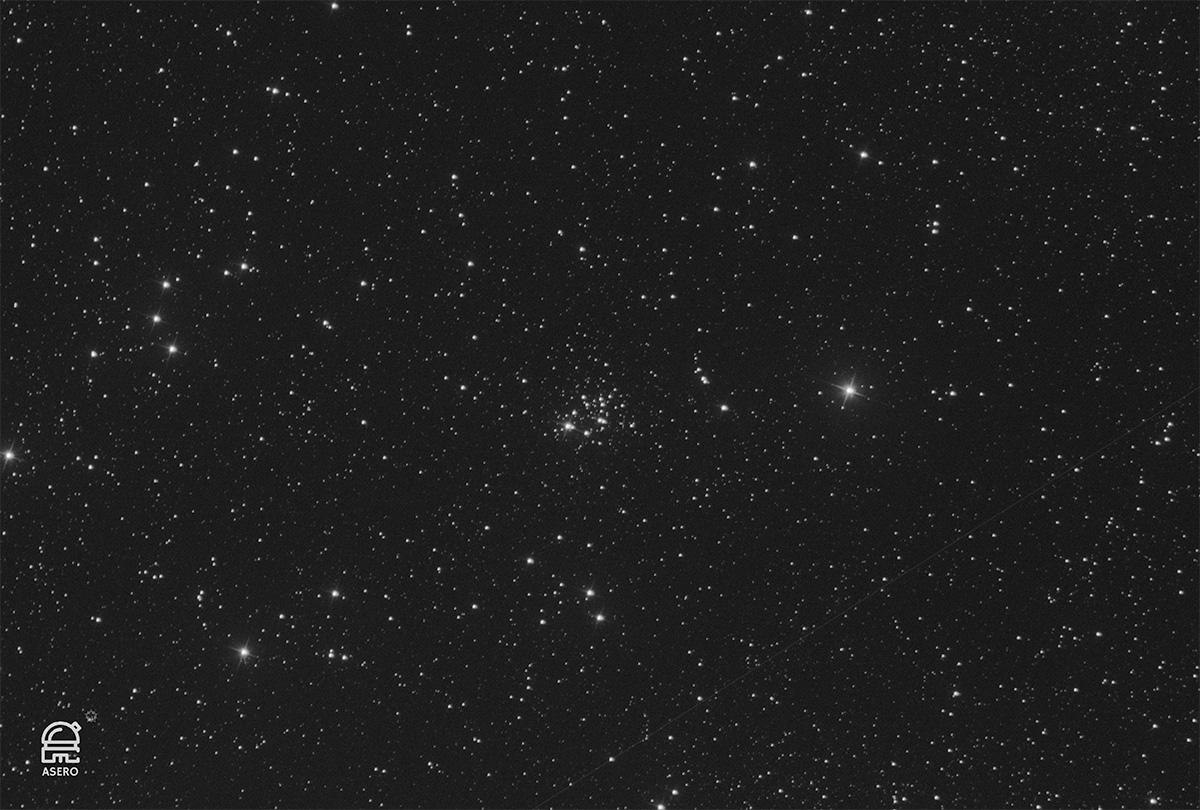
NGC 7218 M. Phillips / ASERO
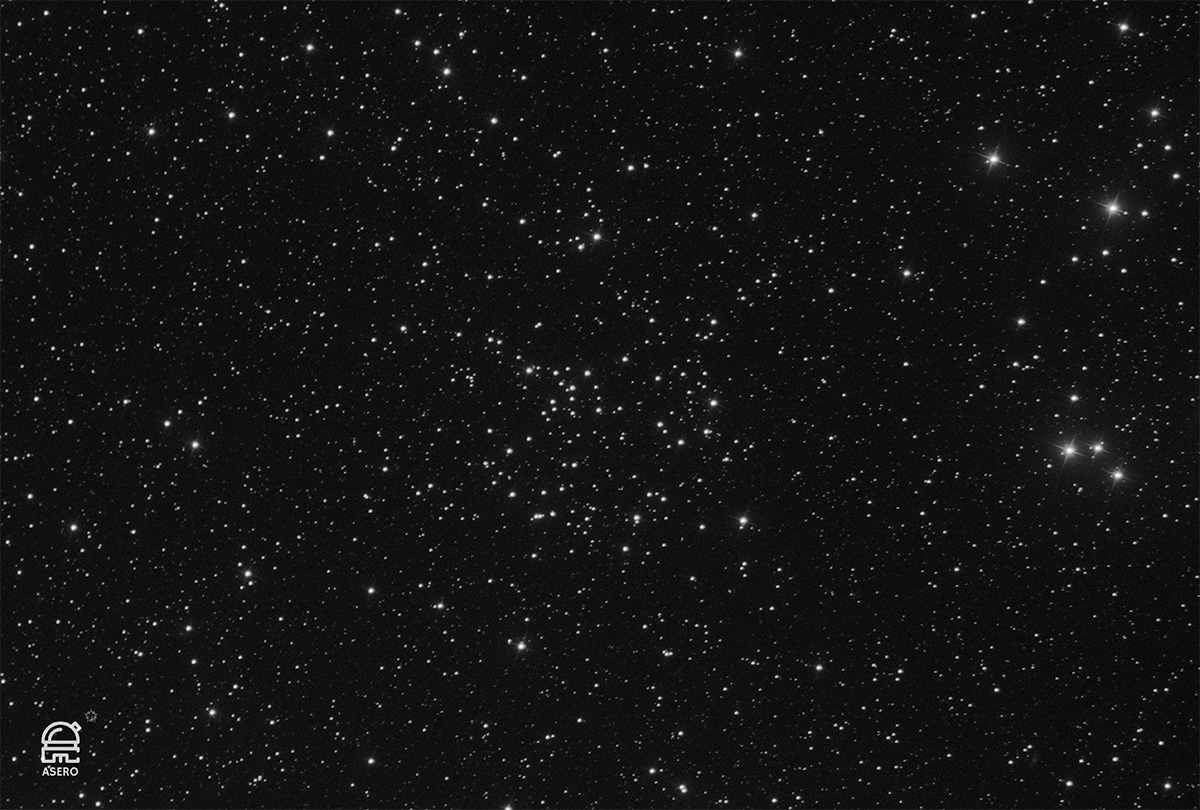
NGC 6811 M. Phillips / ASERO
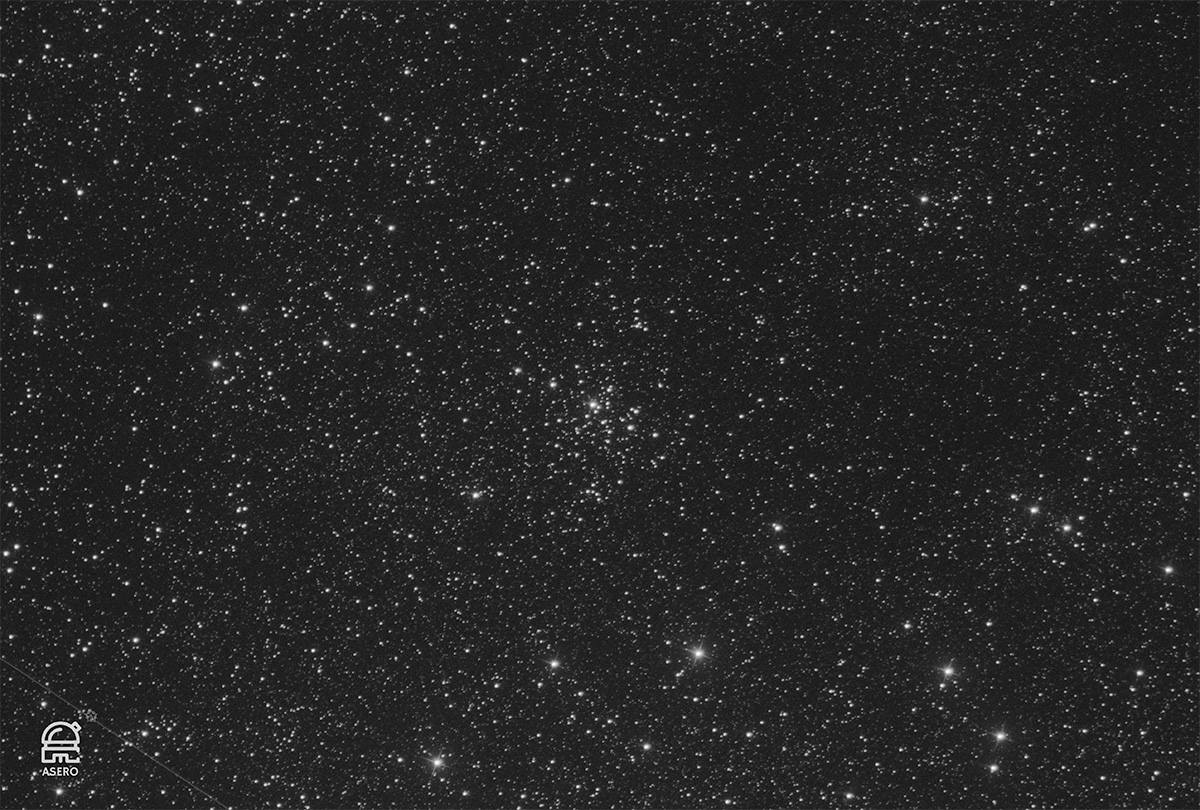
NGC 6834 M. Phillips / ASERO
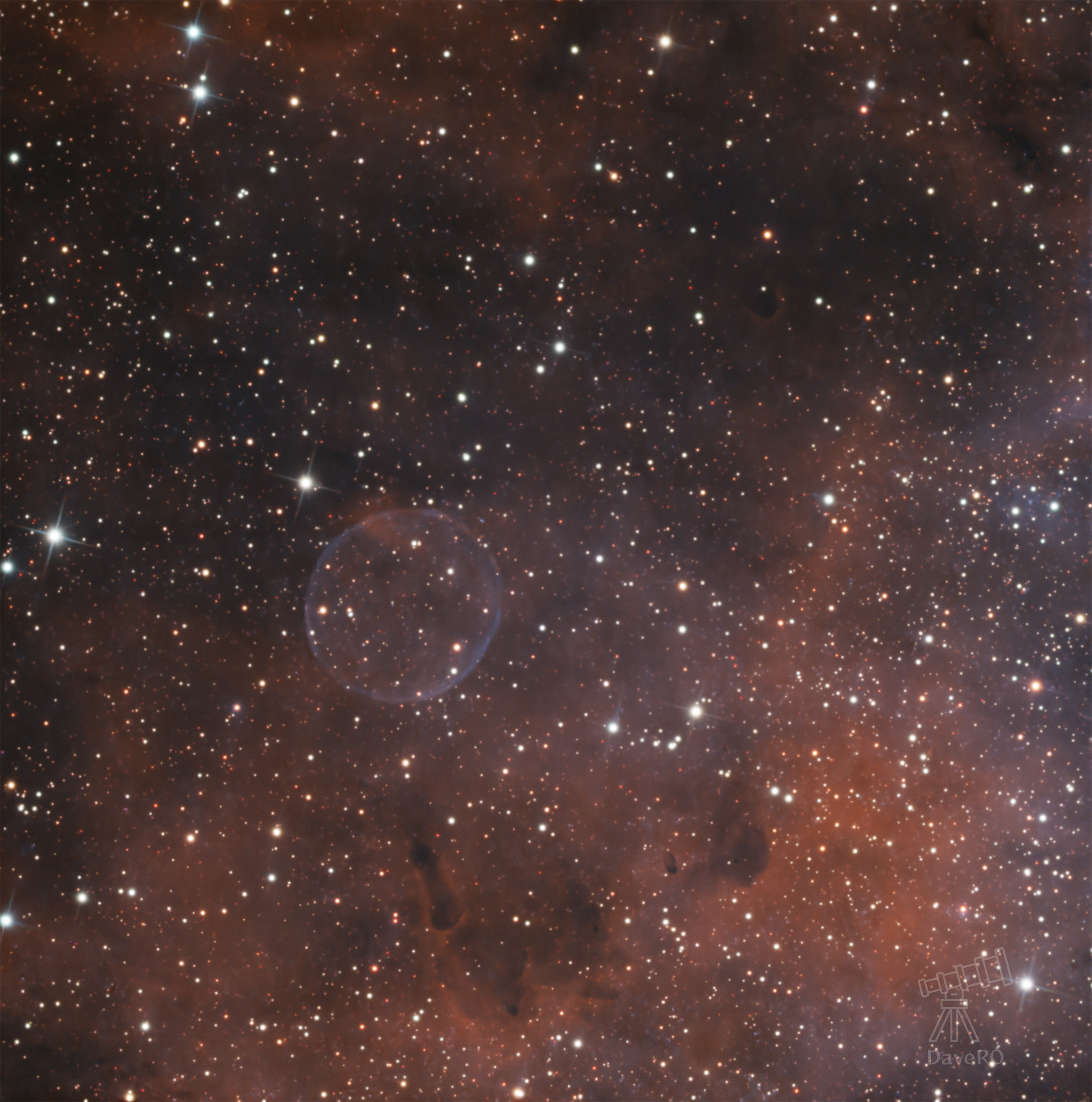
Soap Bubble, Planetary Nebula, D. Brett / DaveRO
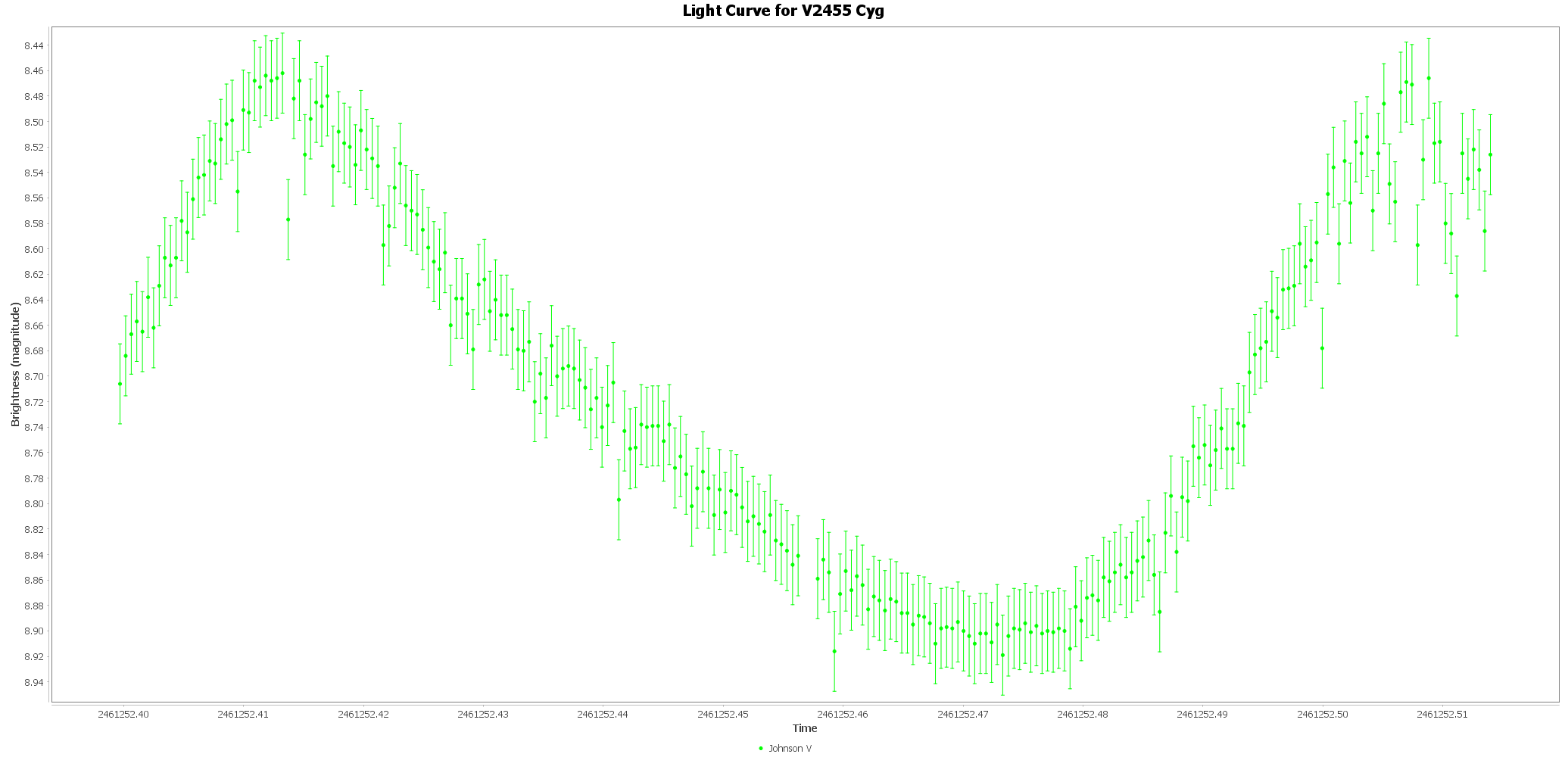
V2455 2026-07-30 M. Phillips, forthimage.co.uk. Period measured as 2.26h (JD: 2461252.41325 to JD: 2461252.50742). Shows an asymmetric curve: rapid rise, slower decline.
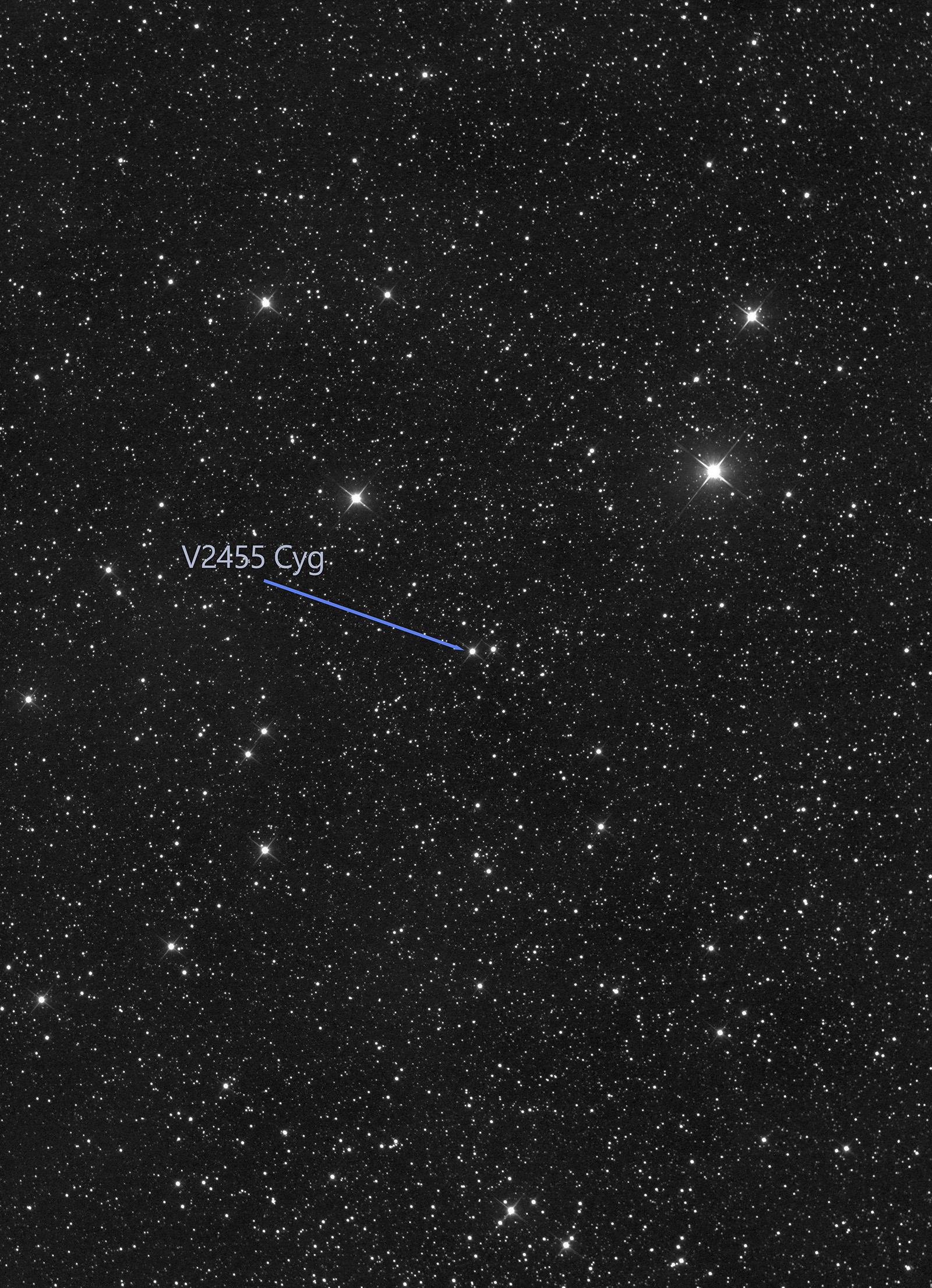
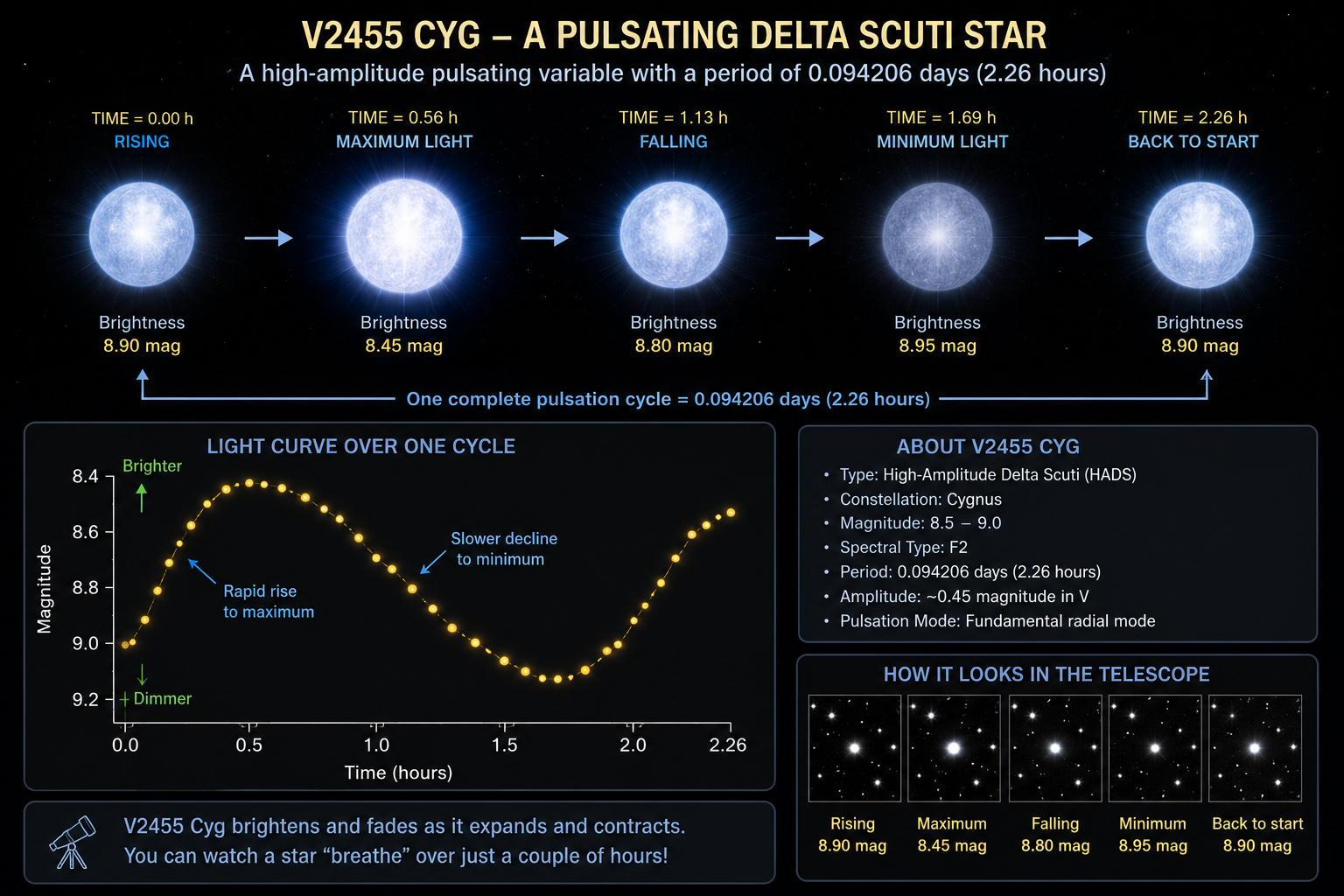
M. Phillips / ChatGPT
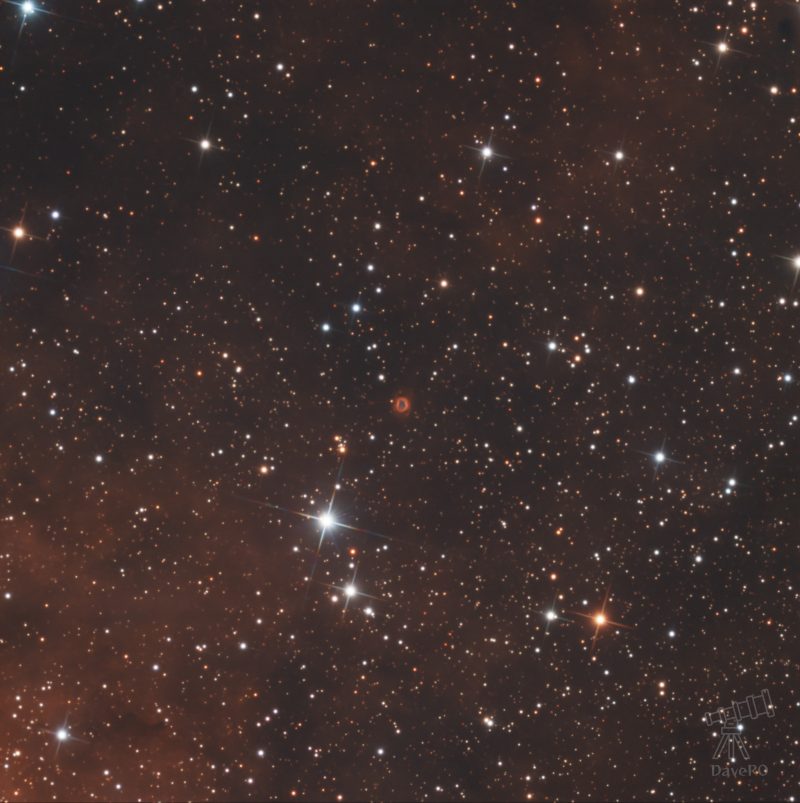
Abell 69, D. Brett / DaveRO
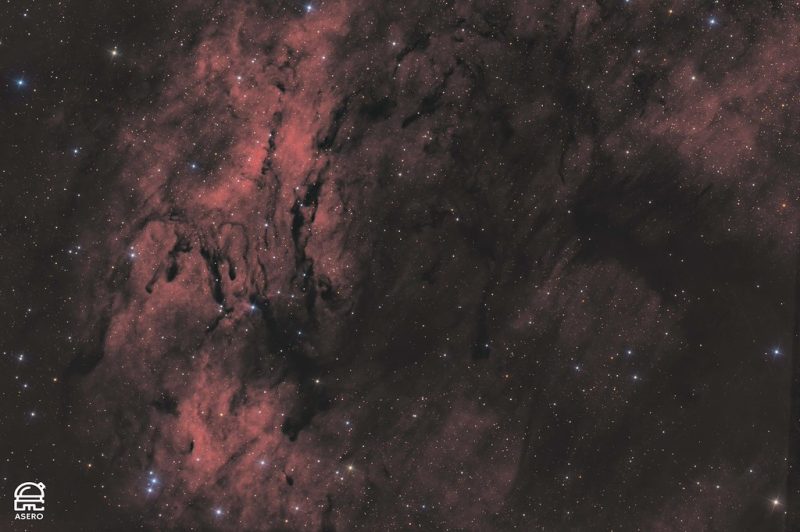
LDN907 P. Devine ASERO
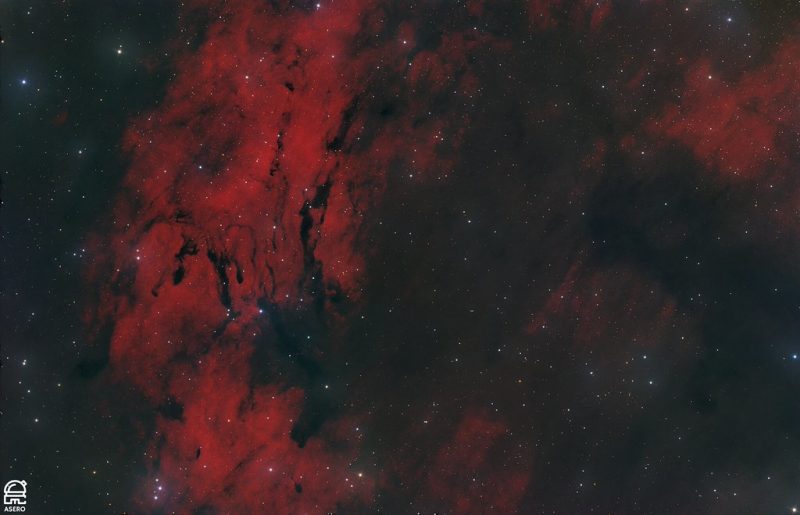
LDN907 M. Sansom ASERO