


Simulating the Cosmos
16 October @ 7:30 pm - 9:00 pm BST
Online only talk by Prof. Romeel Davé
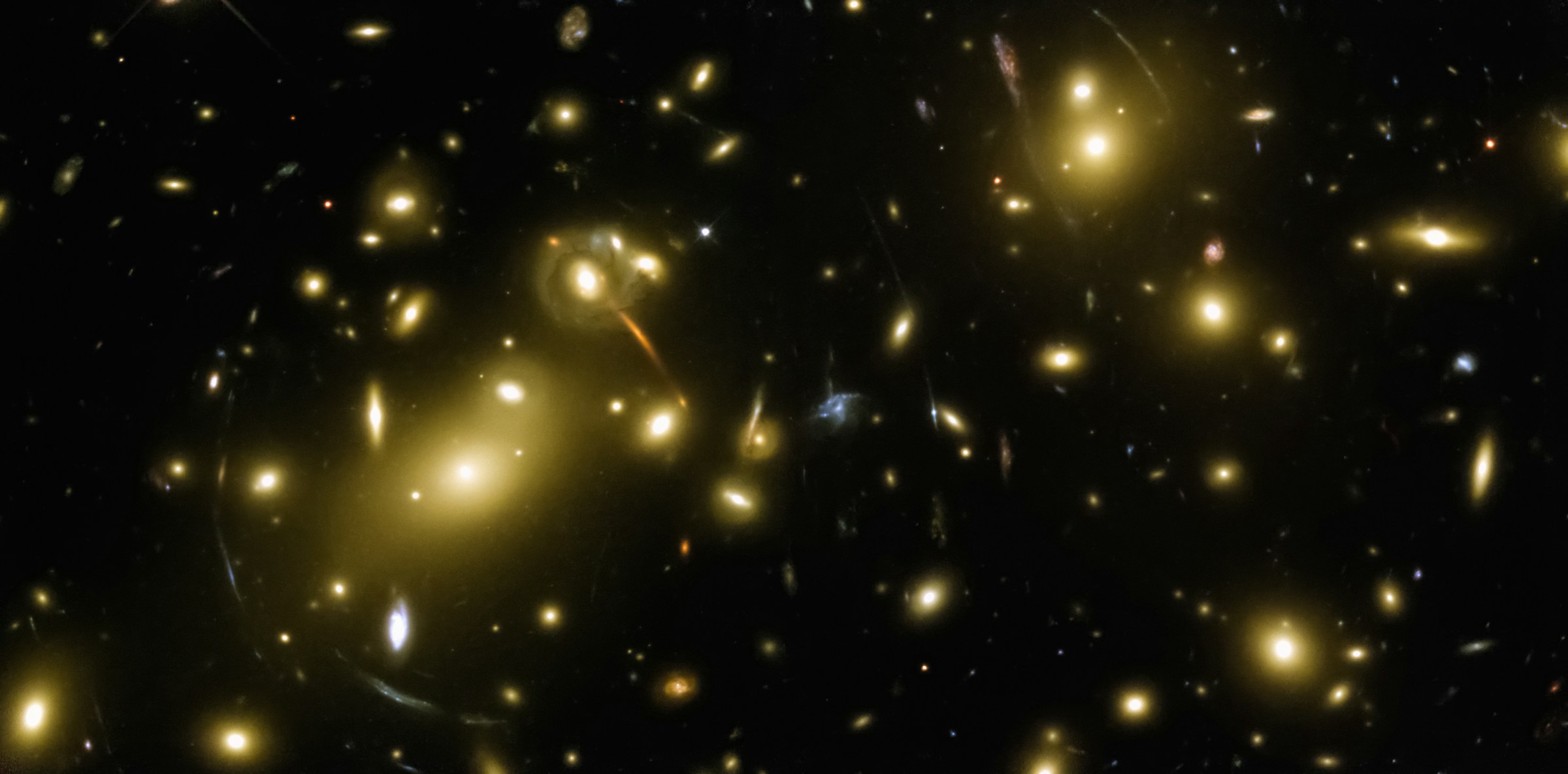
Galaxies are the primary markers by which we map out the Universe. But how the startling diversity of galaxies we see arose out of the Big Bang is one of the most challenging questions in modern astrophysics. Today, numerical cosmologists like myself are trying to answer this question by simulating universes on a computer, allowing us to run numerical experiments to test the input physics, interpret observations from our latest telescopes like JWST, and develop a holistic model for understanding the formation of galaxies like our Milky Way. I will discuss how cosmological simulations have revolutionised our understanding of how galaxies grow and evolve, regulated by an interplay between dark matter that establishes the Cosmic Web, the death of stars that drive powerful winds, and supermassive black holes that power a continual exchange of matter and energy within large-scale cosmic ecosystems.
Prof. Romeel Davé holds the Chair of Physics at the University of Edinburgh. Originally from California, he obtained his bachelor’s from U.C. Berkeley, his master’s from Caltech, and his PhD from U.C Santa Cruz. He was a Spitzer Fellow at Princeton University and a Hubble Fellow at Steward Observatory before becoming faculty at the University of Arizona. In 2013 he moved to Cape Town to take up the South African National Research Chair in Cosmology, before coming to Edinburgh in 2017. He is among the world’s leading experts on galaxy formation simulations, and currently leads the international Simba simulation consortium.