

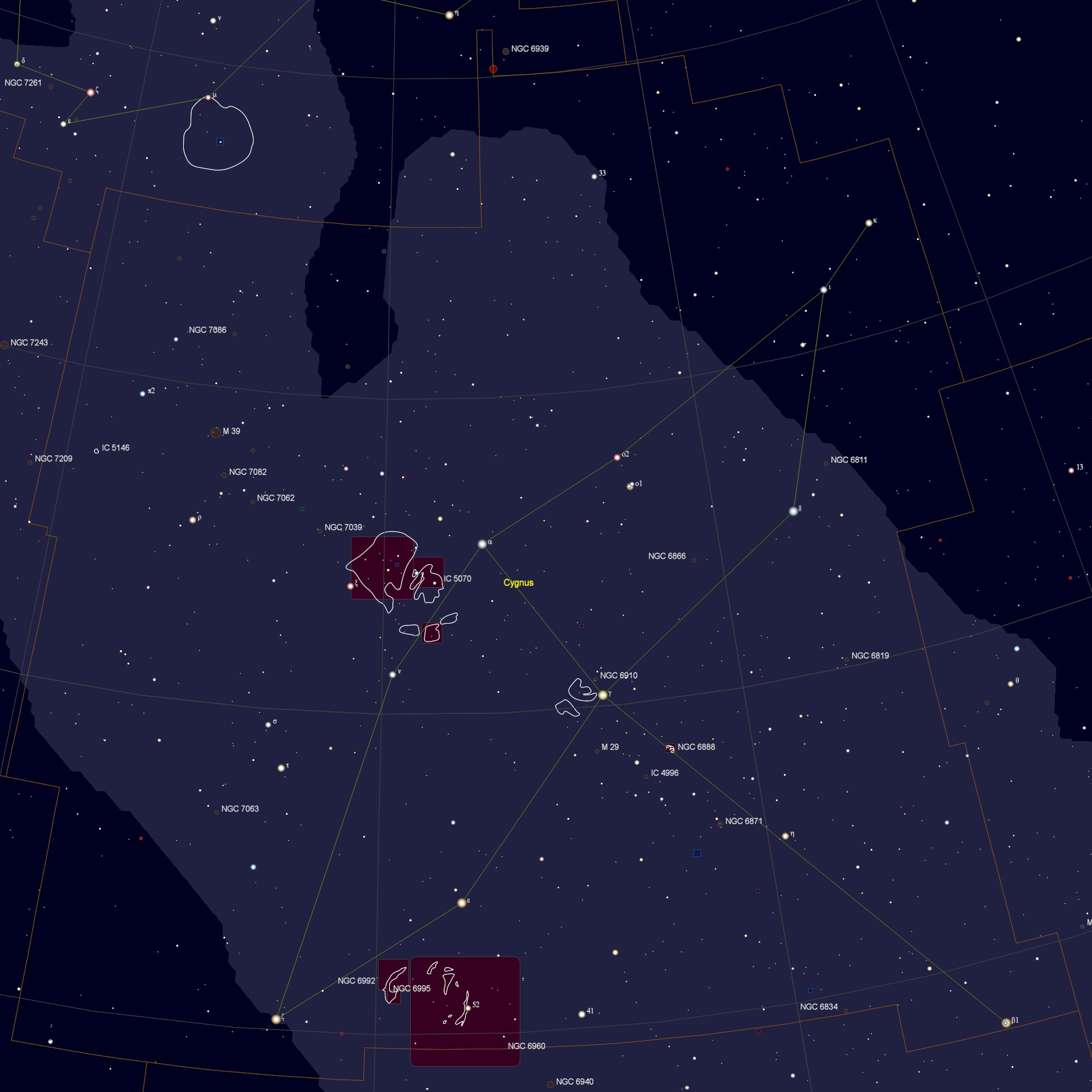
Hover over an image to find it on the chart. Click an image or chart symbol for images and information.
Abell 69
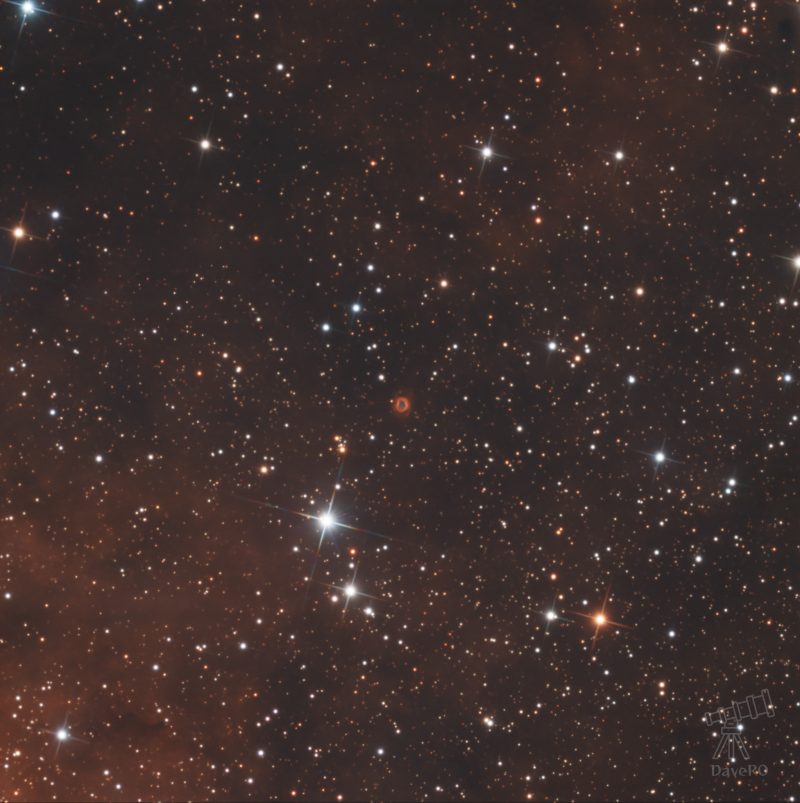
No information
Cyg Loop
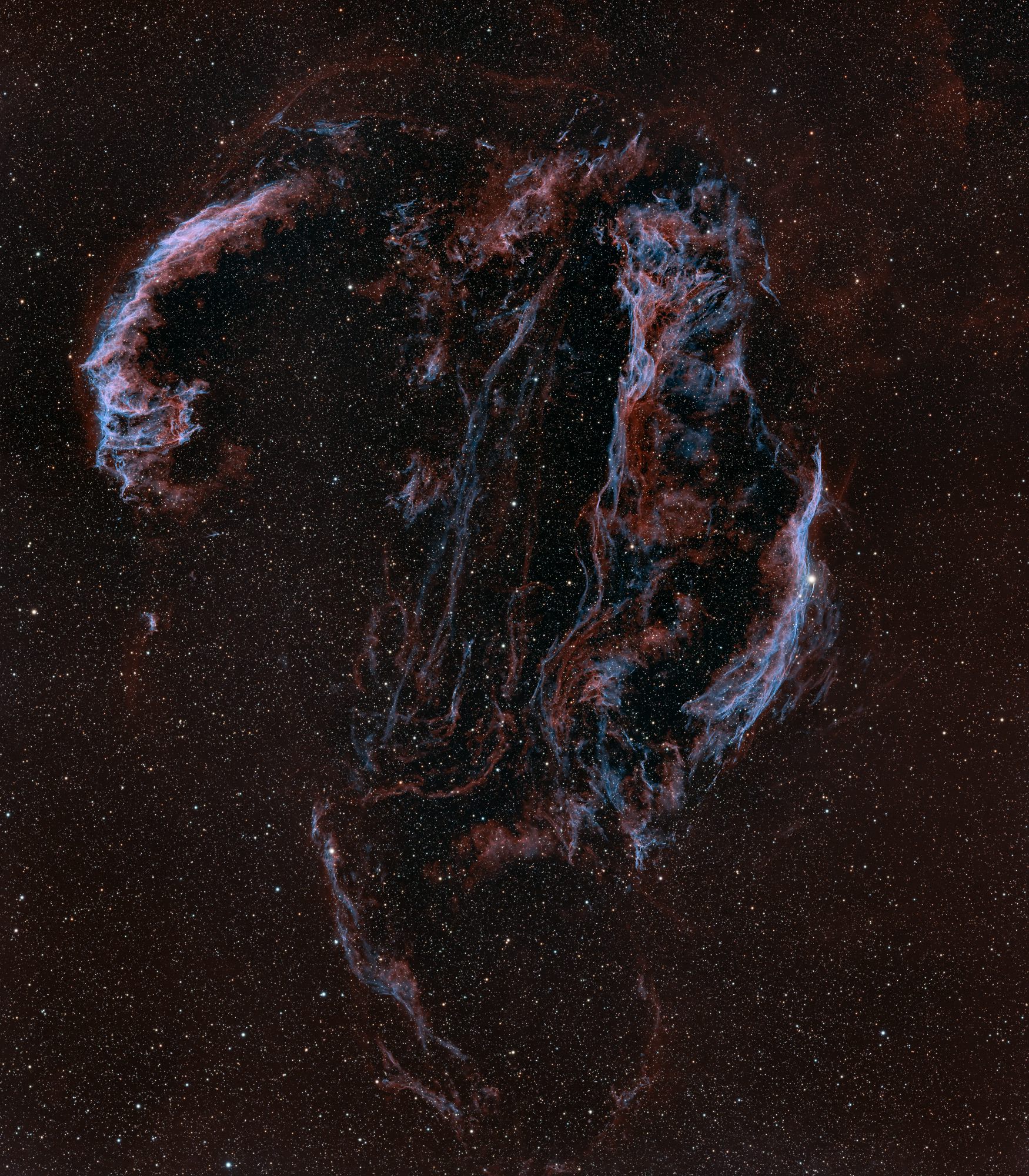
The Cygnus Loop is a large supernova remnant (SNR) in the constellation Cygnus, an emission nebula measuring nearly 3° across. Some arcs of the loop, known collectively as the Veil Nebula or Cirrus Nebula, emit in the visible electromagnetic range. Radio, infrared, and X-ray images reveal the complete loop.
Intro source: Wikipedia.
IC 5070
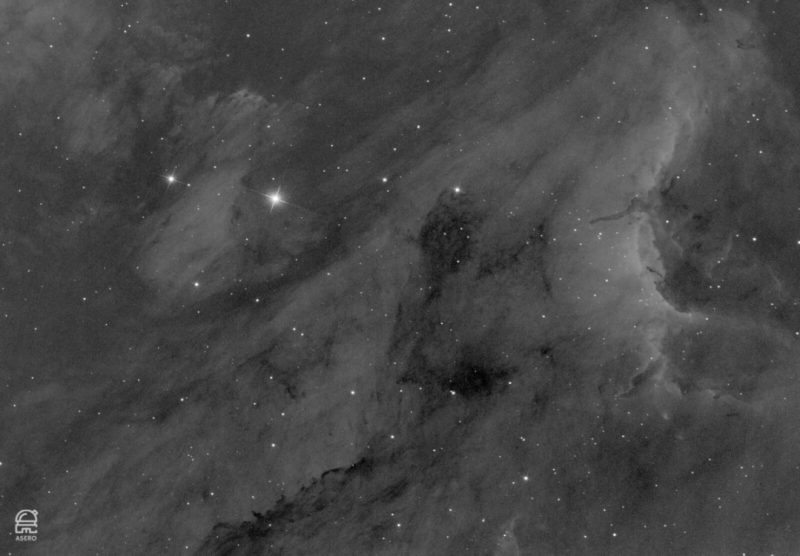
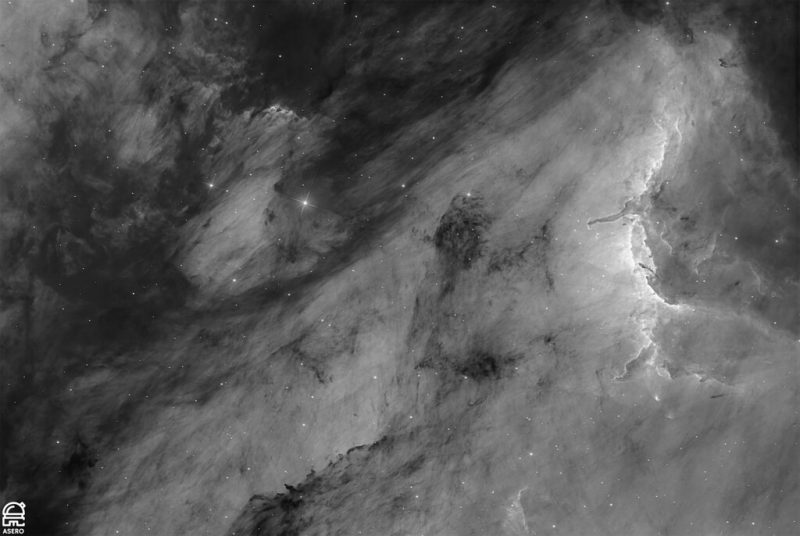
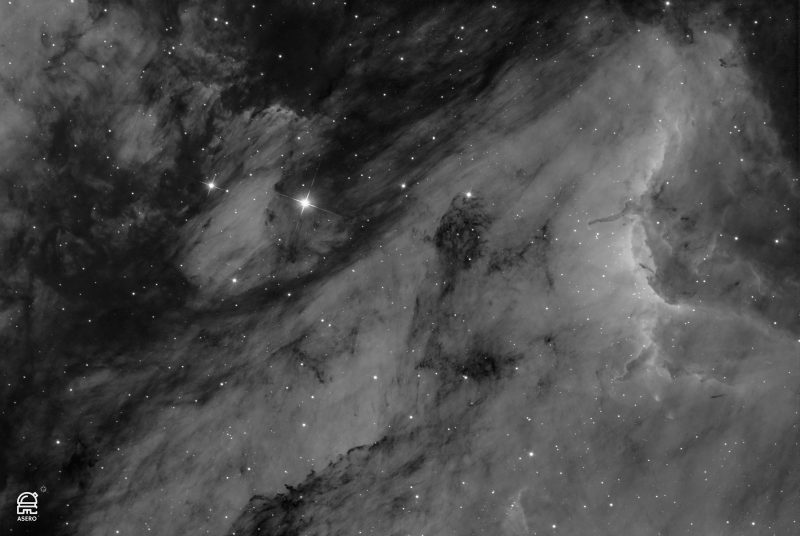
The Pelican Nebula is an H II region associated with the North America Nebula in the constellation of Cygnus. The gaseous contortions of this emission nebula bear a resemblance to a pelican, giving rise to its name. The Pelican Nebula is located nearby first magnitude star Deneb, and is divided from its more prominent neighbour, the North America Nebula, by a foreground molecular cloud filled with dark dust. Both are part of the larger H II region of Westerhout 80.
Intro source: Wikipedia.
IC 5146
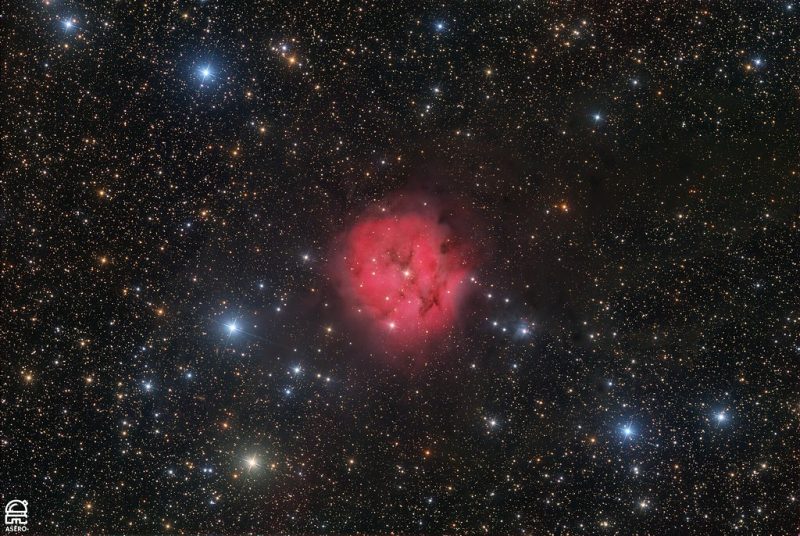
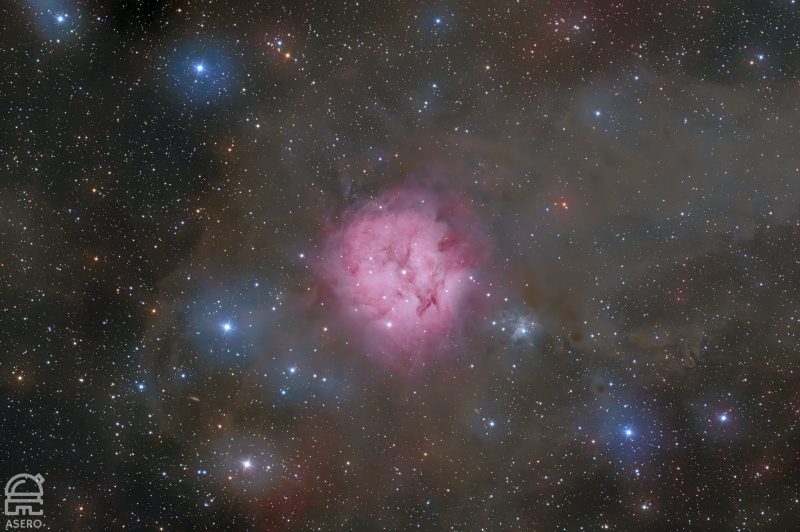
IC 5146 is a reflection/emission nebula and Caldwell object in the constellation Cygnus. The NGC description refers to IC 5146 as a cluster of 9.5 mag stars involved in a bright and dark nebula. The cluster is also known as Collinder 470. It shines at magnitude +10.0/+9.3/+7.2. Its celestial coordinates are RA 21h 53.5m , dec +47° 16′. It is located near the naked-eye star Pi Cygni, the open cluster NGC 7209 in Lacerta, and the bright open cluster M39. The cluster is about 4,000 ly away, and the central star that lights it formed about 100,000 years ago; the nebula is about 12 arcmins across, which is equivalent to a span of 15 light years.
Intro source: Wikipedia.
LDN 907
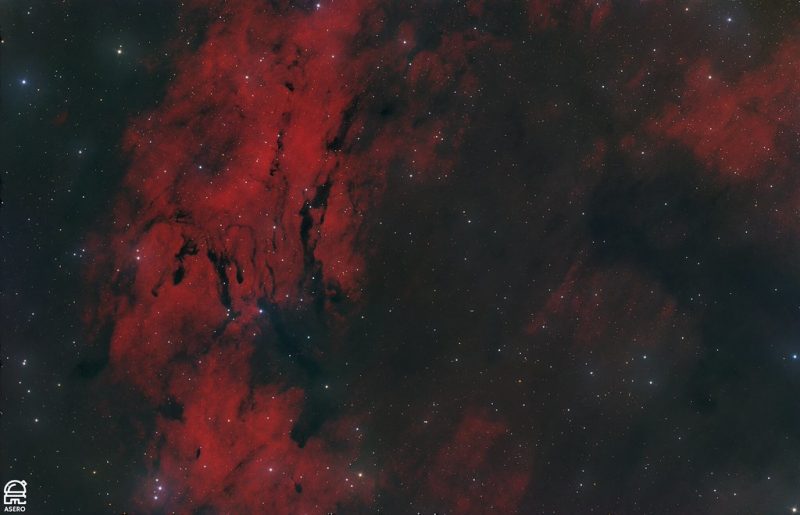
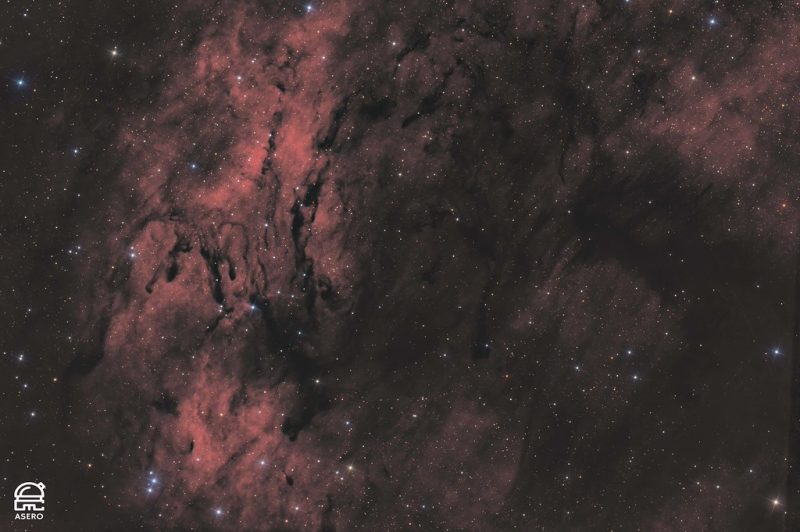
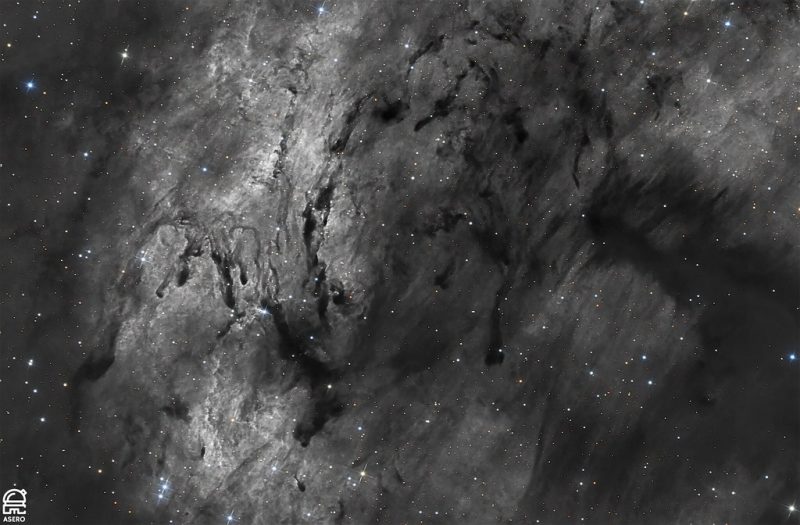
Lynds' Catalogue of Dark Nebulae is an astronomical catalogue of dark nebulae.
Intro source: Wikipedia.
M29
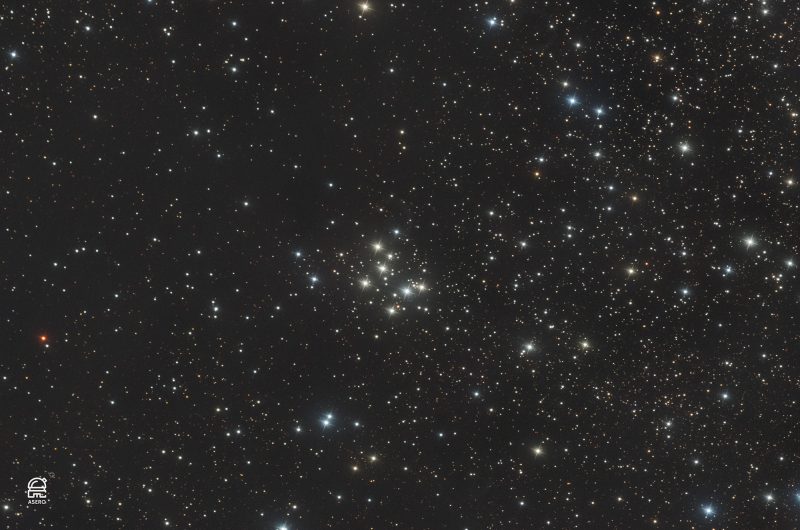
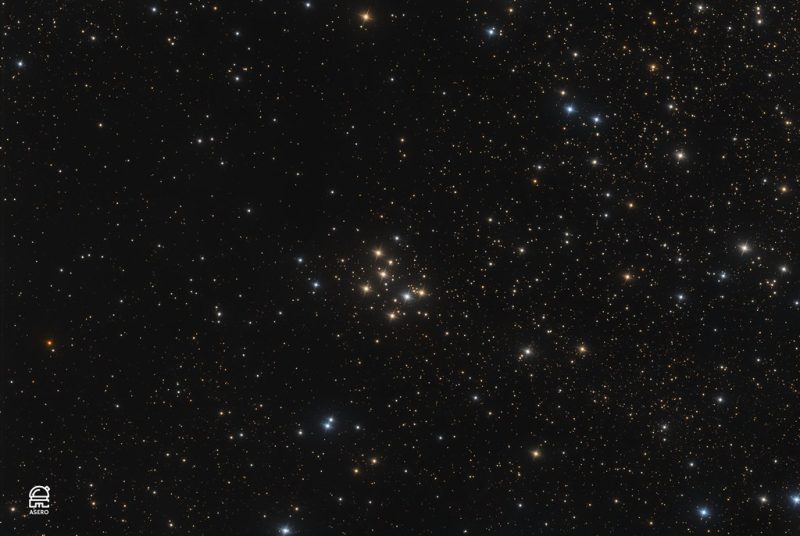
Messier 29 or M29, also known as NGC 6913 or the Cooling Tower Cluster, is a quite small, bright open cluster of stars just south of the central bright star Gamma Cygni of a northerly zone of the sky, Cygnus. It was discovered by Charles Messier in 1764, and can be seen from Earth by using binoculars.
Intro source: Wikipedia.
NGC 6811
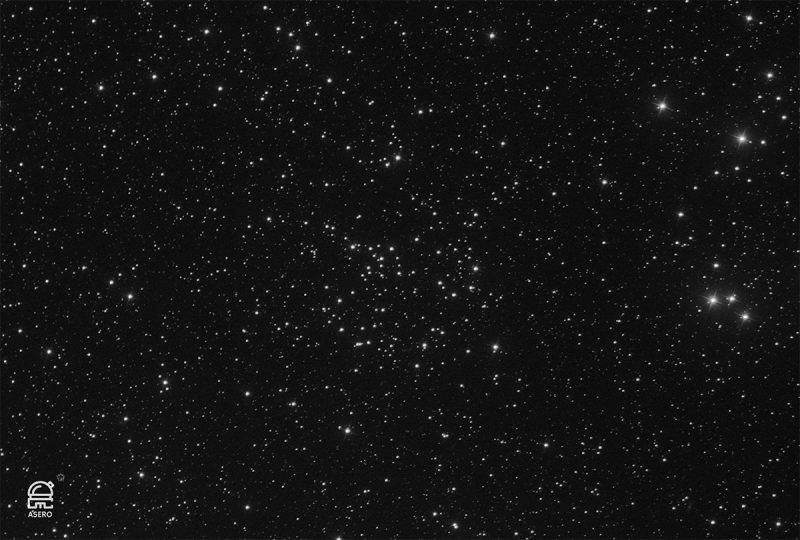
NGC 6811 is an open cluster in the constellation of Cygnus, near the constellation of Lyra. It has an angular size half that of the full Moon and includes about 1000 stars of roughly similar magnitude. It has also been called "The Hole in the Cluster" or "Hole in a Cluster" because of its dark center.
Intro source: Wikipedia.
NGC 6824
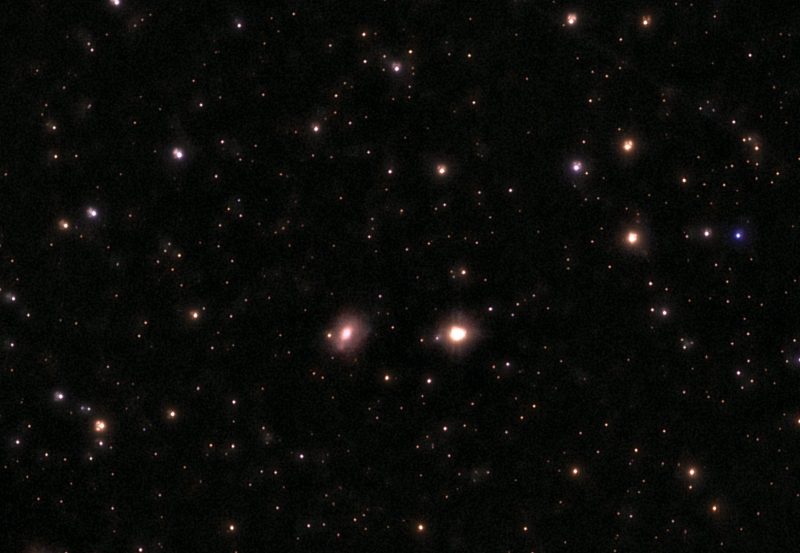
No information
NGC 6834
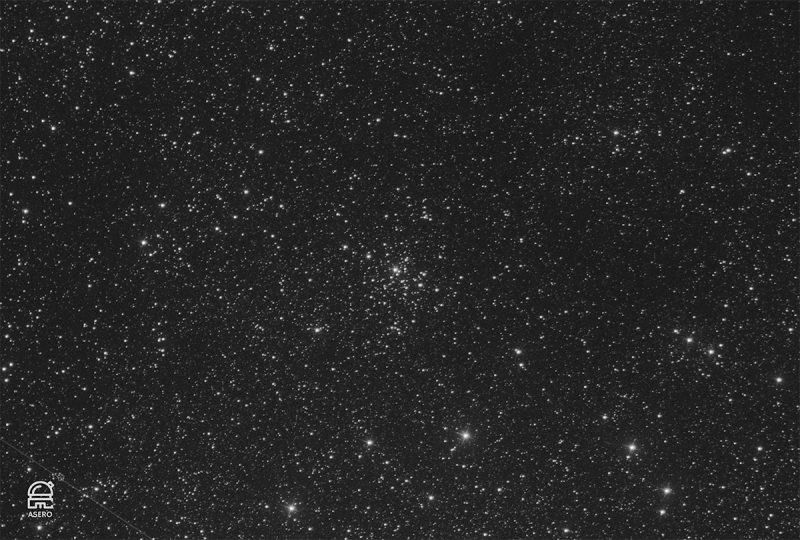
NGC 6834 is a young open cluster of stars located about 10,850 light years from the Sun in the constellation Cygnus. It was discovered on July 17, 1784, by Anglo-German astronomer William Herschel. The cluster has a visual magnitude of 7.8, which is dimmed by 2.1 magnitudes due to interstellar dust. Half the cluster members lie within an angular radius of 6′.
Intro source: Wikipedia.
NGC 6866
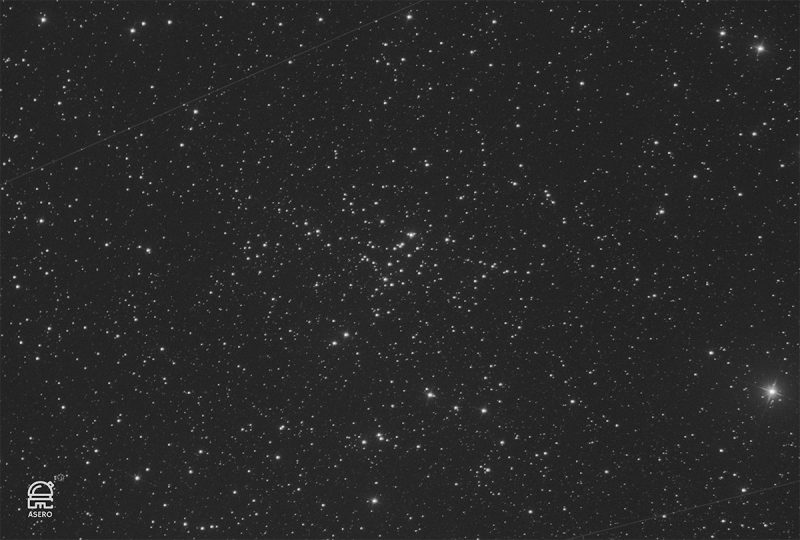
NGC 6866 is a young open cluster of stars in the northern constellation Cygnus. It was discovered by German astronomer Caroline Herschel on 23 July 1783. This cluster is located at an estimated distance of 4.35 ± 0.53 thousand light-years from the Sun, and is circling the Galactic Center with a slight orbital eccentricity of 0.12. It shows a heliocentric radial velocity of 12.18±1.14 km/s.
Intro source: Wikipedia.
NGC 6888
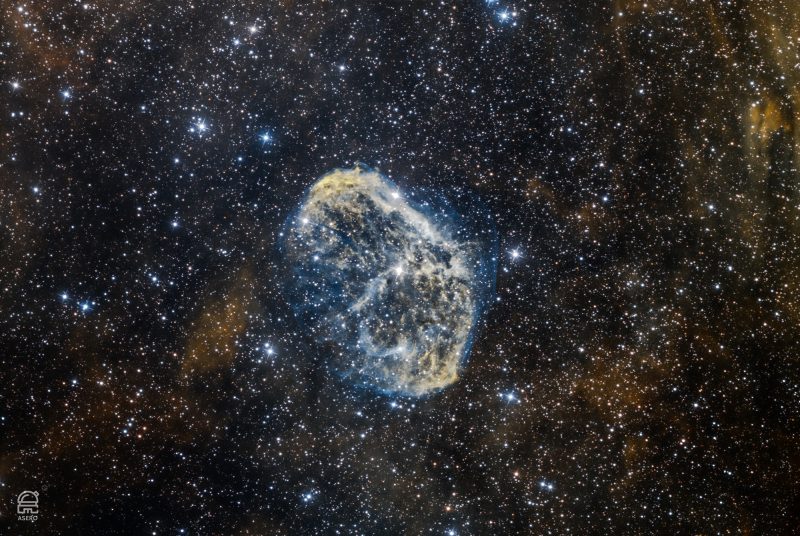
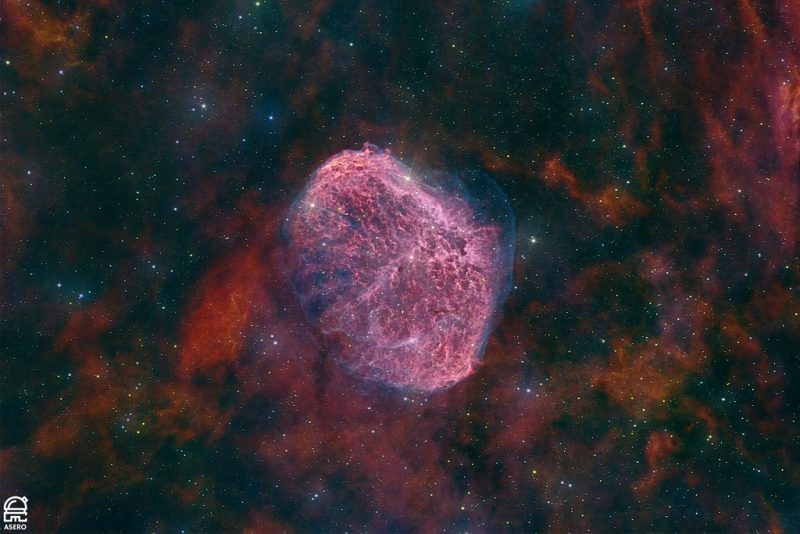
The Crescent Nebula is an emission nebula in the constellation Cygnus, about 5000 light-years away from Earth. It was discovered by William Herschel in 1792. It is formed by the fast stellar wind from the Wolf-Rayet star WR 136 colliding with and energizing the slower moving wind ejected by the star when it became a red giant around 250,000 years ago. The result of the collision is a shell and two shock waves, one moving outward and one moving inward. The inward moving shock wave heats the stellar wind to X-ray-emitting temperatures.
Intro source: Wikipedia.
NGC 6946
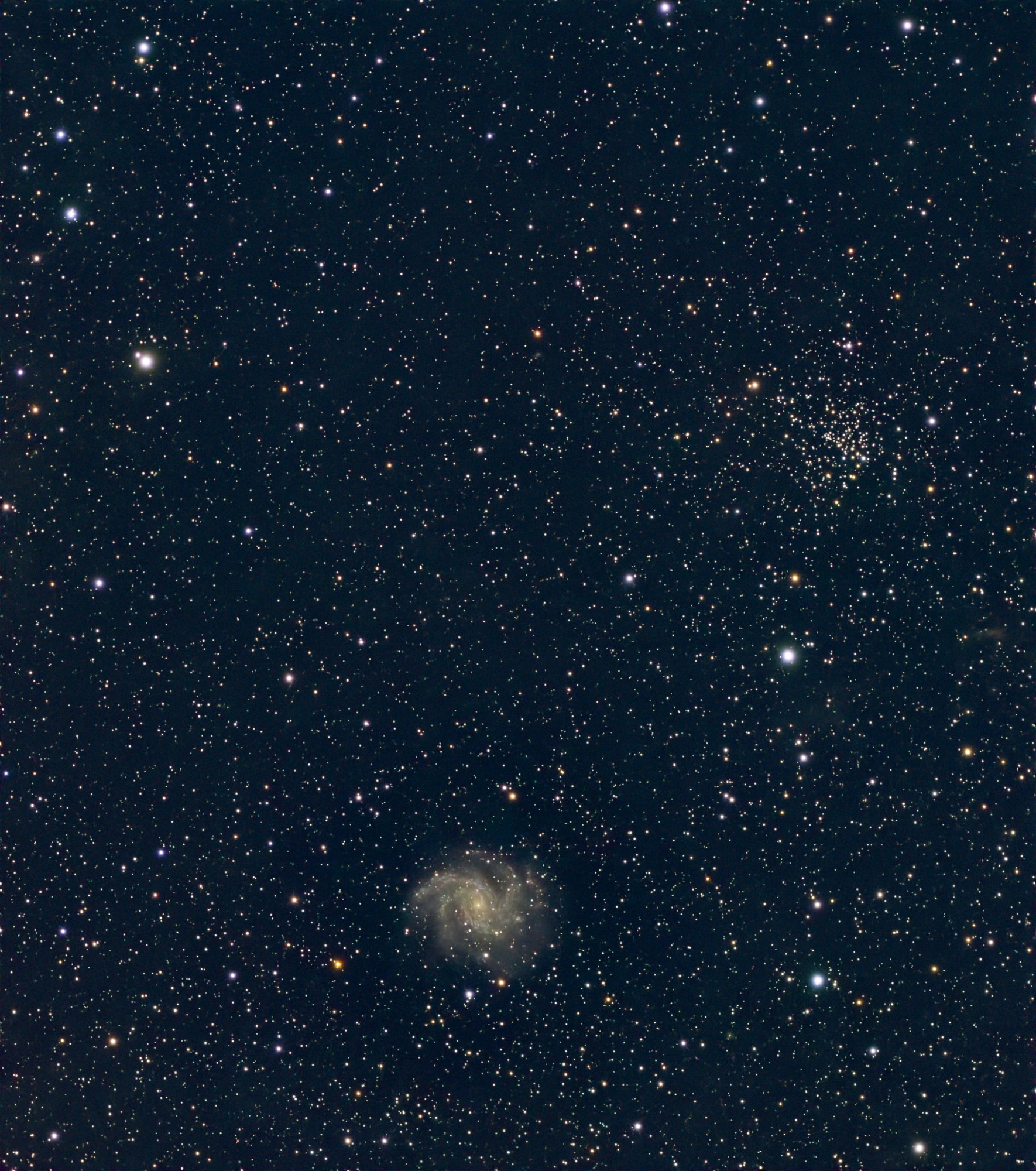
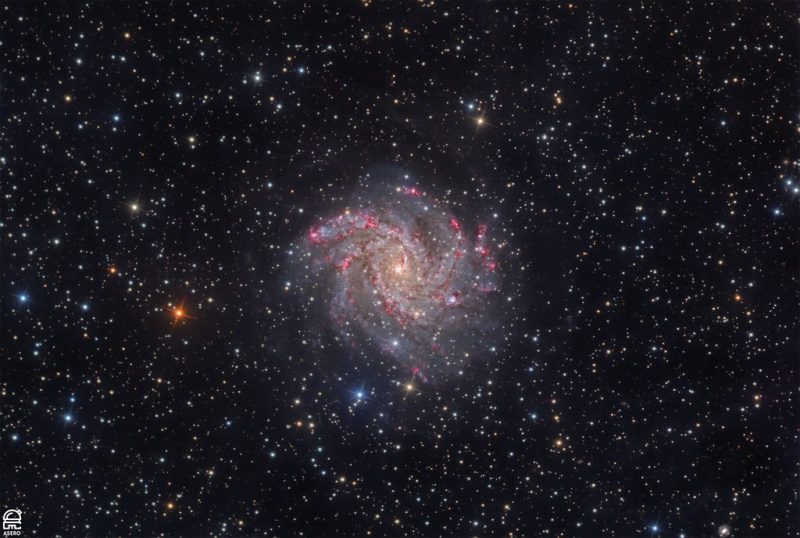
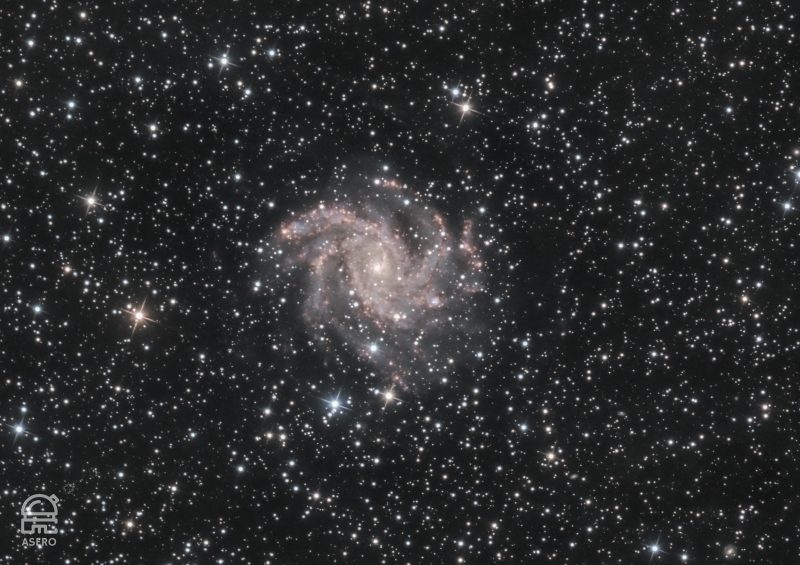
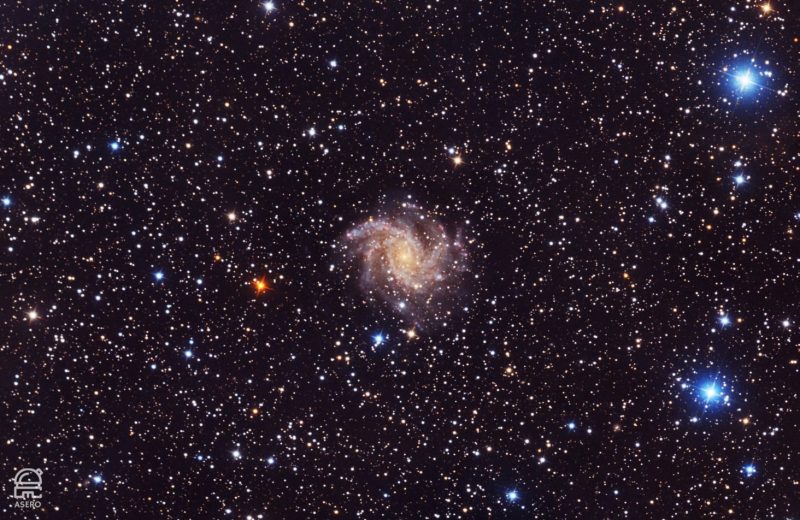
NGC 6946, sometimes referred to as the Fireworks Galaxy, is a grand design, face-on intermediate spiral galaxy with a small bright nucleus, whose location in the sky straddles the boundary between the northern constellations of Cepheus and Cygnus. Its distance from Earth is about 25.2 million light-years or 7.72 megaparsecs, similar to the distance of M101 in the constellation Ursa Major. Both were once considered to be part of the Local Group, but are now known to be among the dozen bright spiral galaxies near the Milky Way but beyond the confines of the Local Group. NGC 6946 lies within the Virgo Supercluster.
Intro source: Wikipedia.
NGC 6995
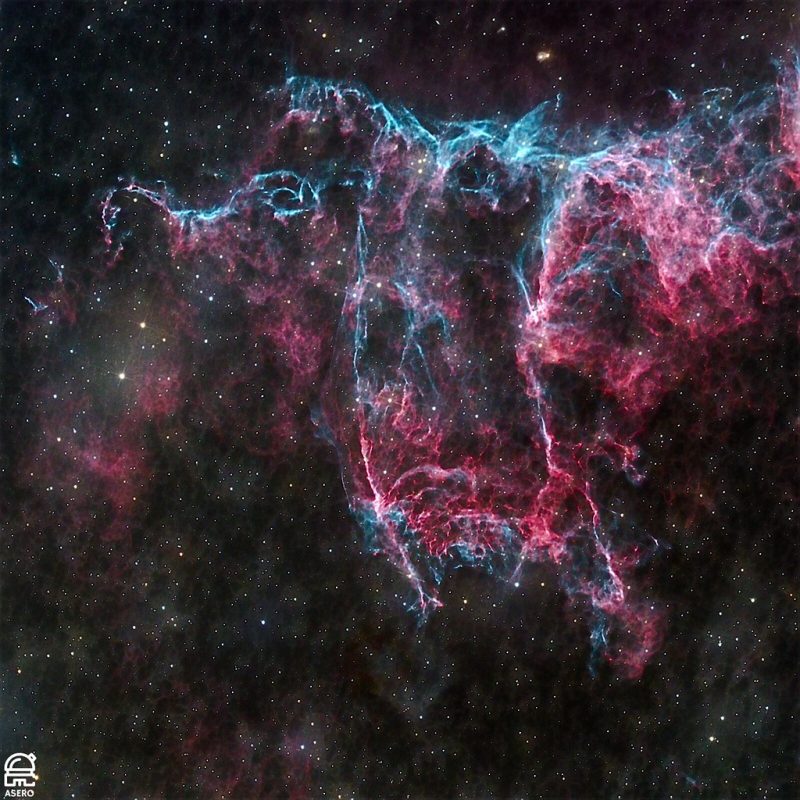
The Veil Nebula is a cloud of heated and ionized gas and dust in the constellation Cygnus.
Intro source: Wikipedia.
NGC 7000
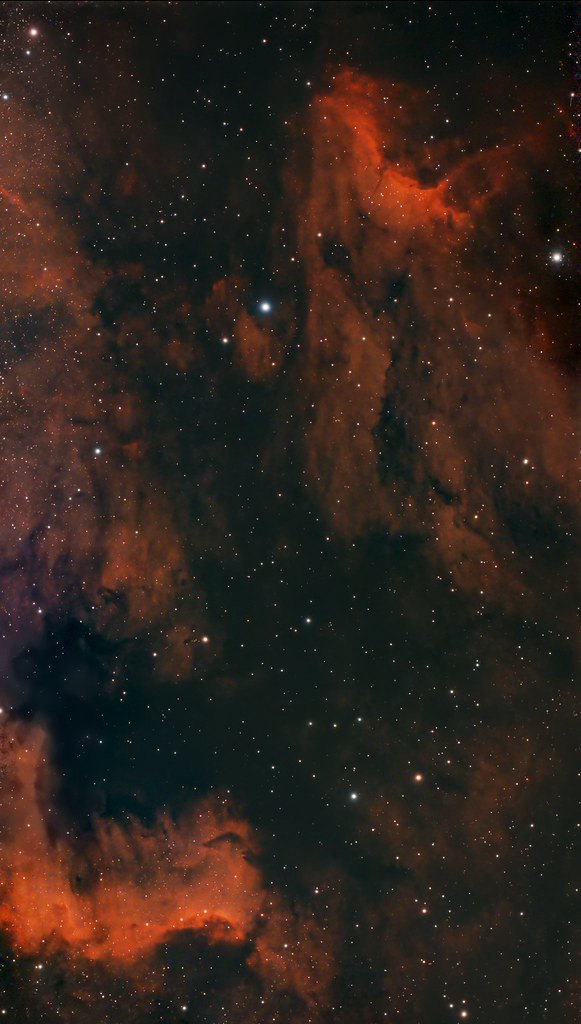
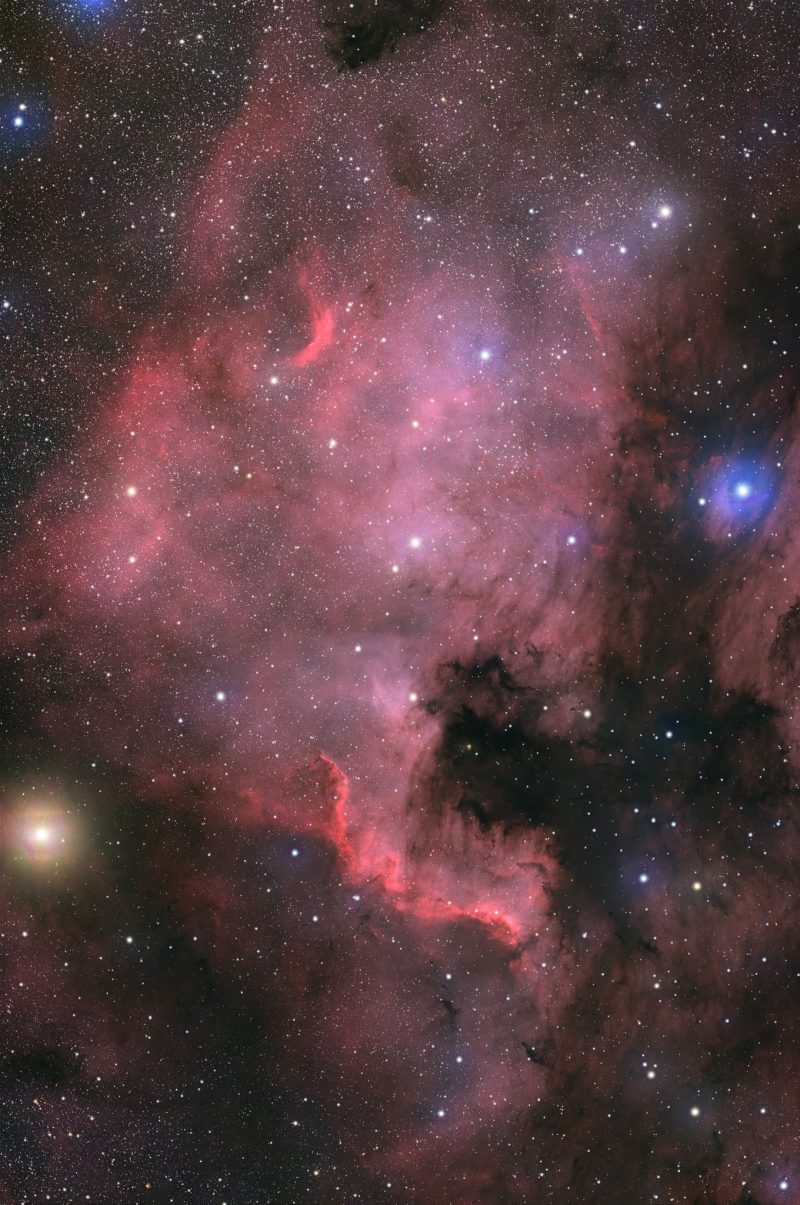
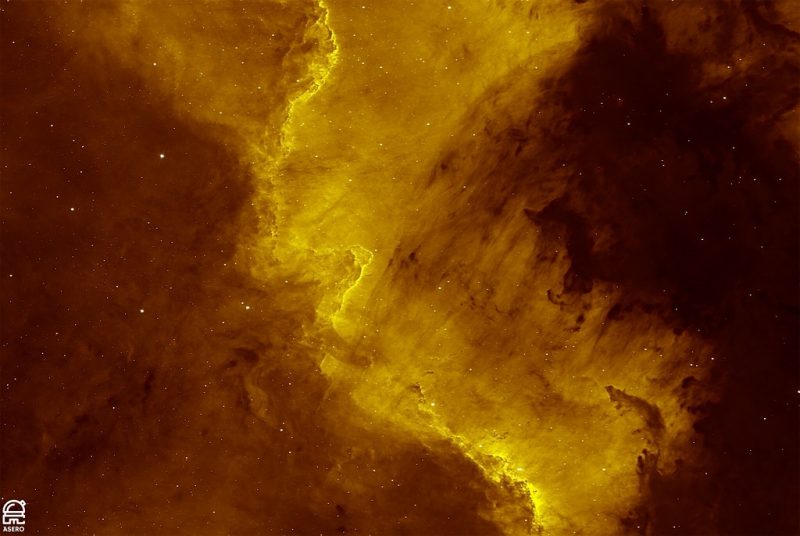
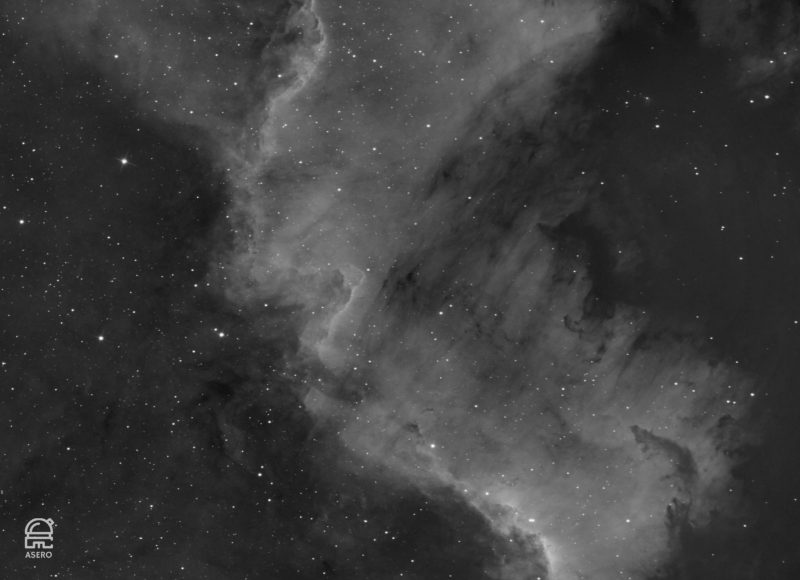
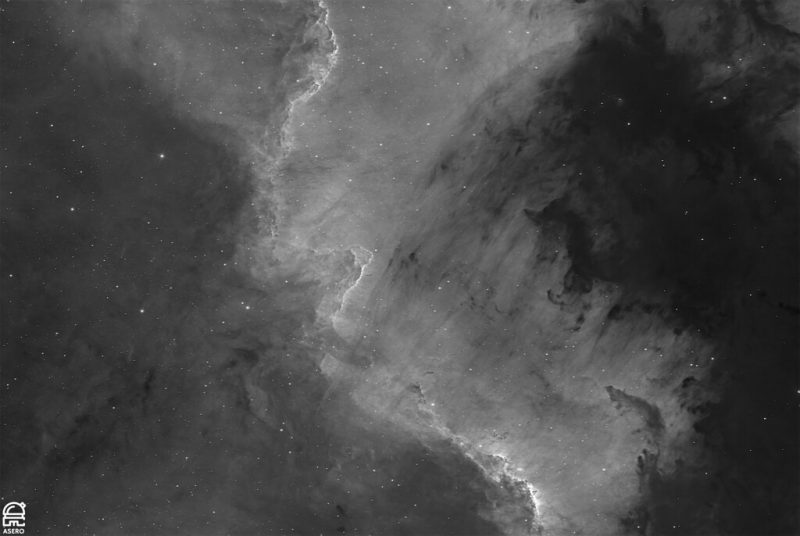
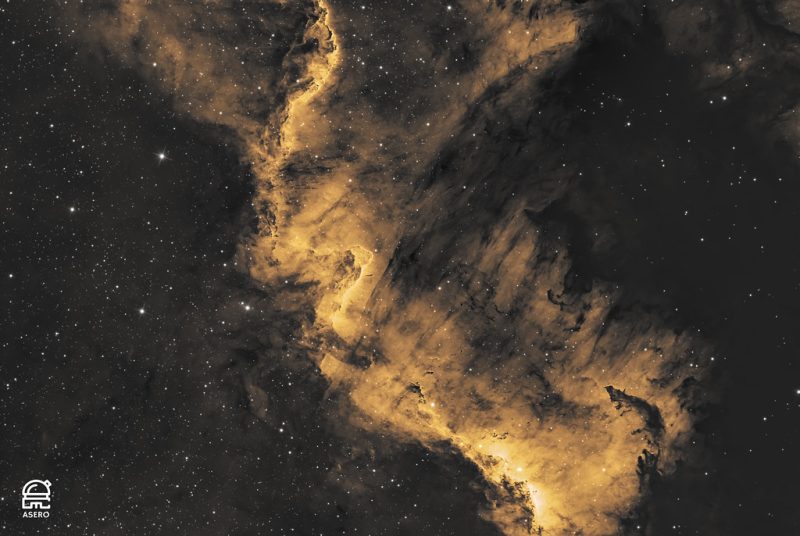
The North America Nebula is an emission nebula in the constellation Cygnus, close to Deneb in the night sky. It is named because its shape resembles North America.
Intro source: Wikipedia.
NGC 7013
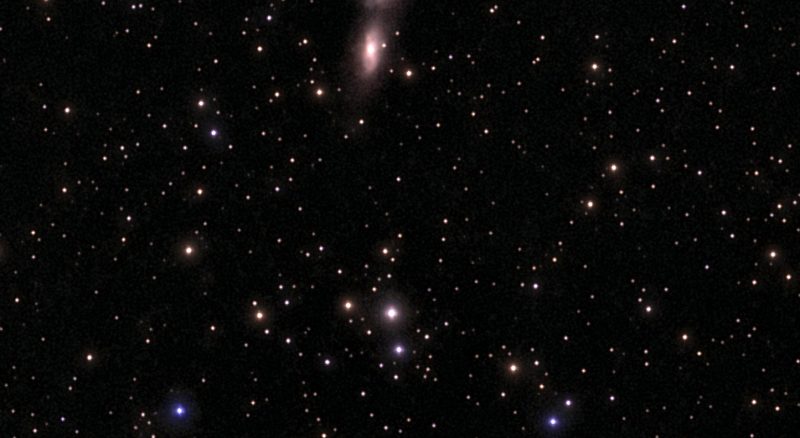
NGC 7013 is a relatively nearby spiral or lenticular galaxy estimated to be around 37 to 41.4 million light-years away from Earth in the constellation of Cygnus. NGC 7013 was discovered by English astronomer William Herschel on July 17, 1784 and was also observed by his son, astronomer John Herschel on September 15, 1828.
Intro source: Wikipedia.
NGC 7039
No information
NGC 7062
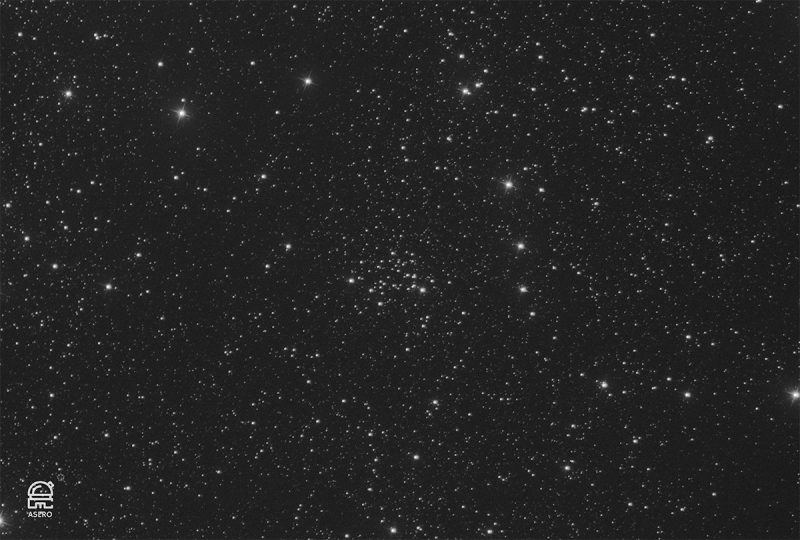
No information
NGC 7063
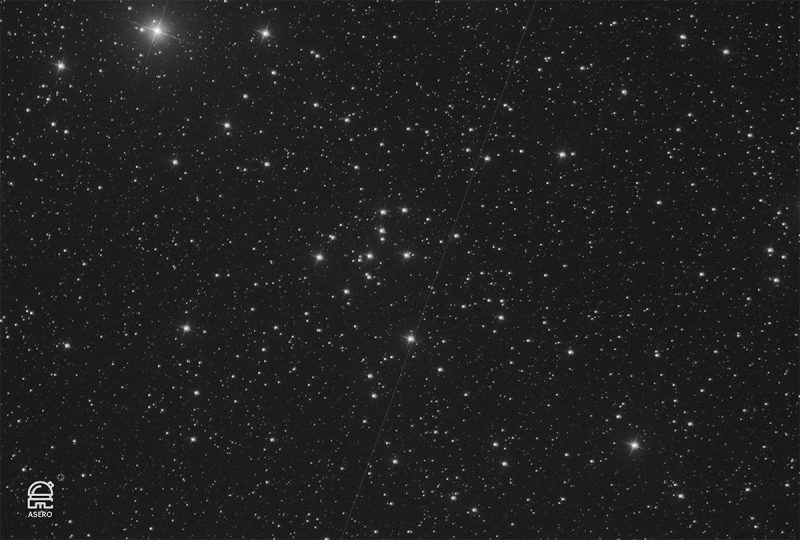
NGC 7063 is an open cluster in Cygnus. It was discovered on August 19, 1828, by John Herschel. It is located near to the star 69 Cygni.
Intro source: Wikipedia.
NGC 7067
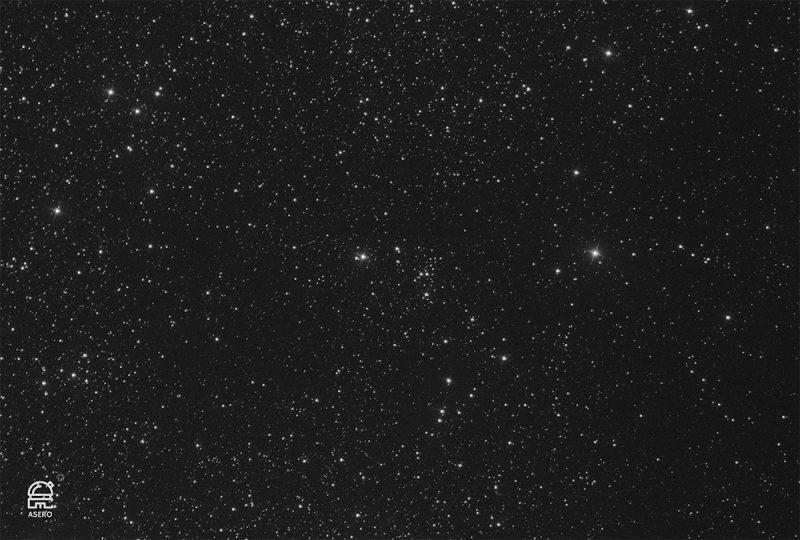
No information
NGC 7082
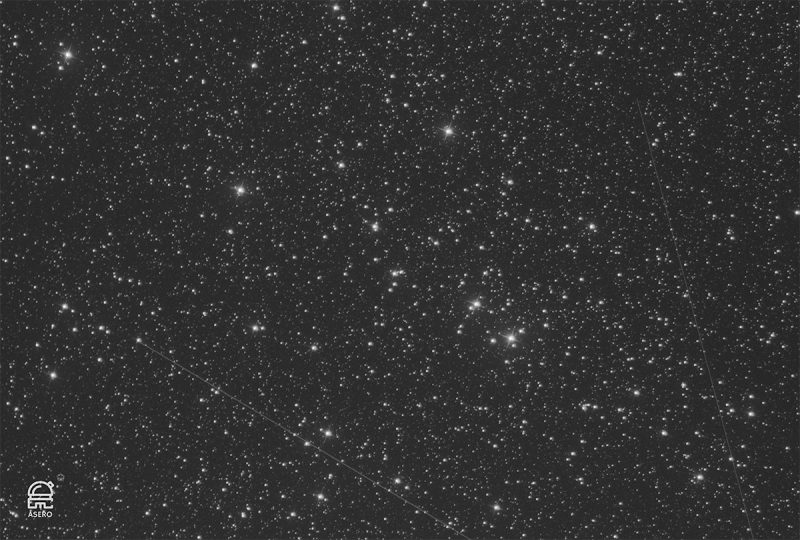
No information
NGC 7086
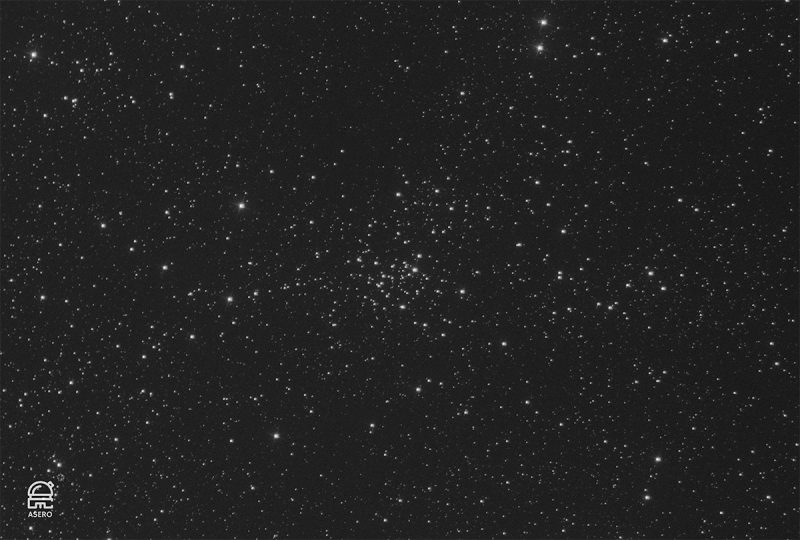
No information
NGC 7128
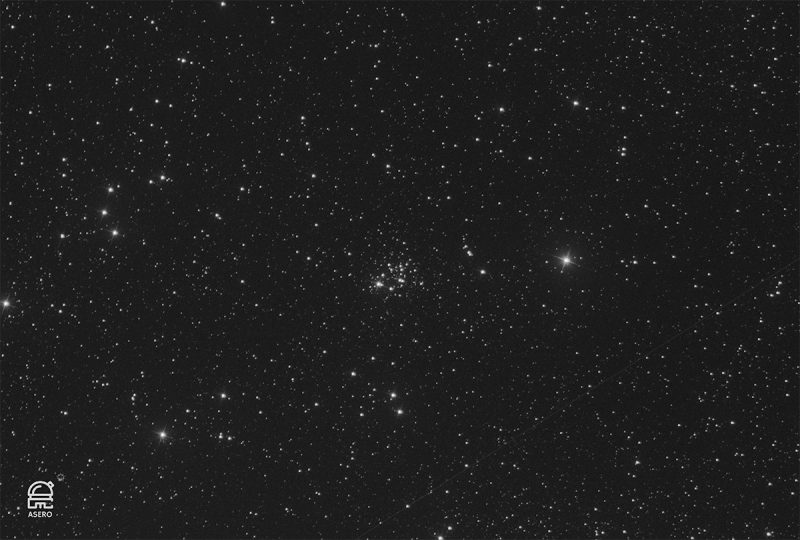
No information
NGC 7218
No ASE image has been added yet.
No information
SH 2-112
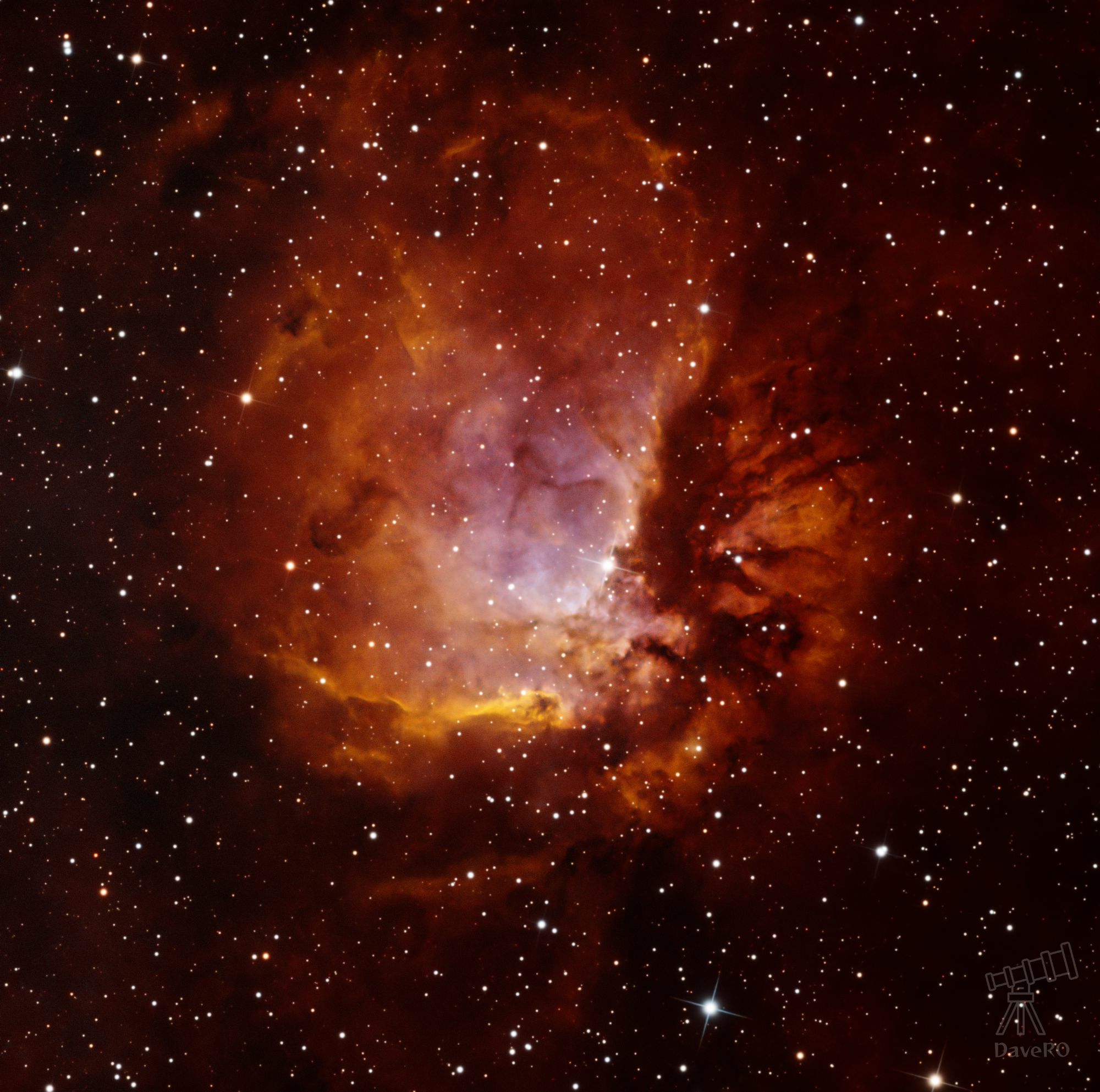
Sh 2-112 is a nebula in Cygnus. It is located within the Orion Arm, and is near star complex Cygnus X. It is ionized by the central star BD+45 3216. It is a region of star-formation, with 138 Young Stellar Objects candidates within the nebula. The average age of these objects is about one million years. it contains a large dust band on its western side.
Intro source: Wikipedia.
Sh2-125
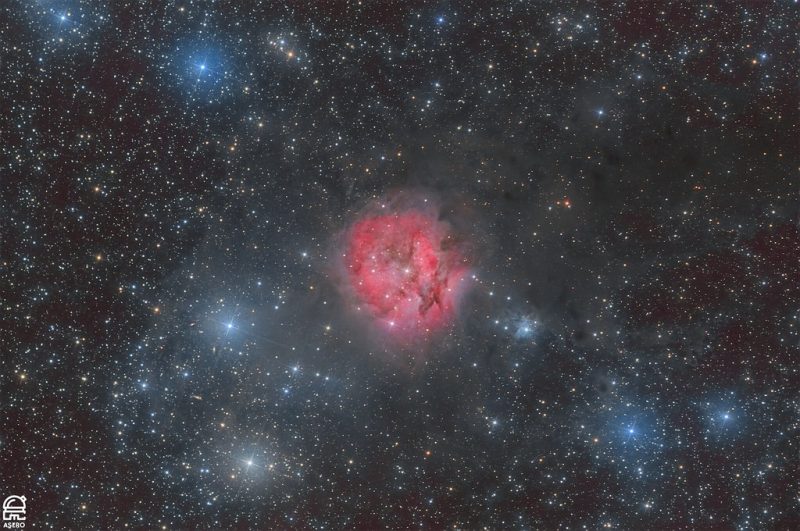
IC 5146 is a reflection/emission nebula and Caldwell object in the constellation Cygnus. The NGC description refers to IC 5146 as a cluster of 9.5 mag stars involved in a bright and dark nebula. The cluster is also known as Collinder 470. It shines at magnitude +10.0/+9.3/+7.2. Its celestial coordinates are RA 21h 53.5m , dec +47° 16′. It is located near the naked-eye star Pi Cygni, the open cluster NGC 7209 in Lacerta, and the bright open cluster M39. The cluster is about 4,000 ly away, and the central star that lights it formed about 100,000 years ago; the nebula is about 12 arcmins across, which is equivalent to a span of 15 light years.
Intro source: Wikipedia.
Sh2-91
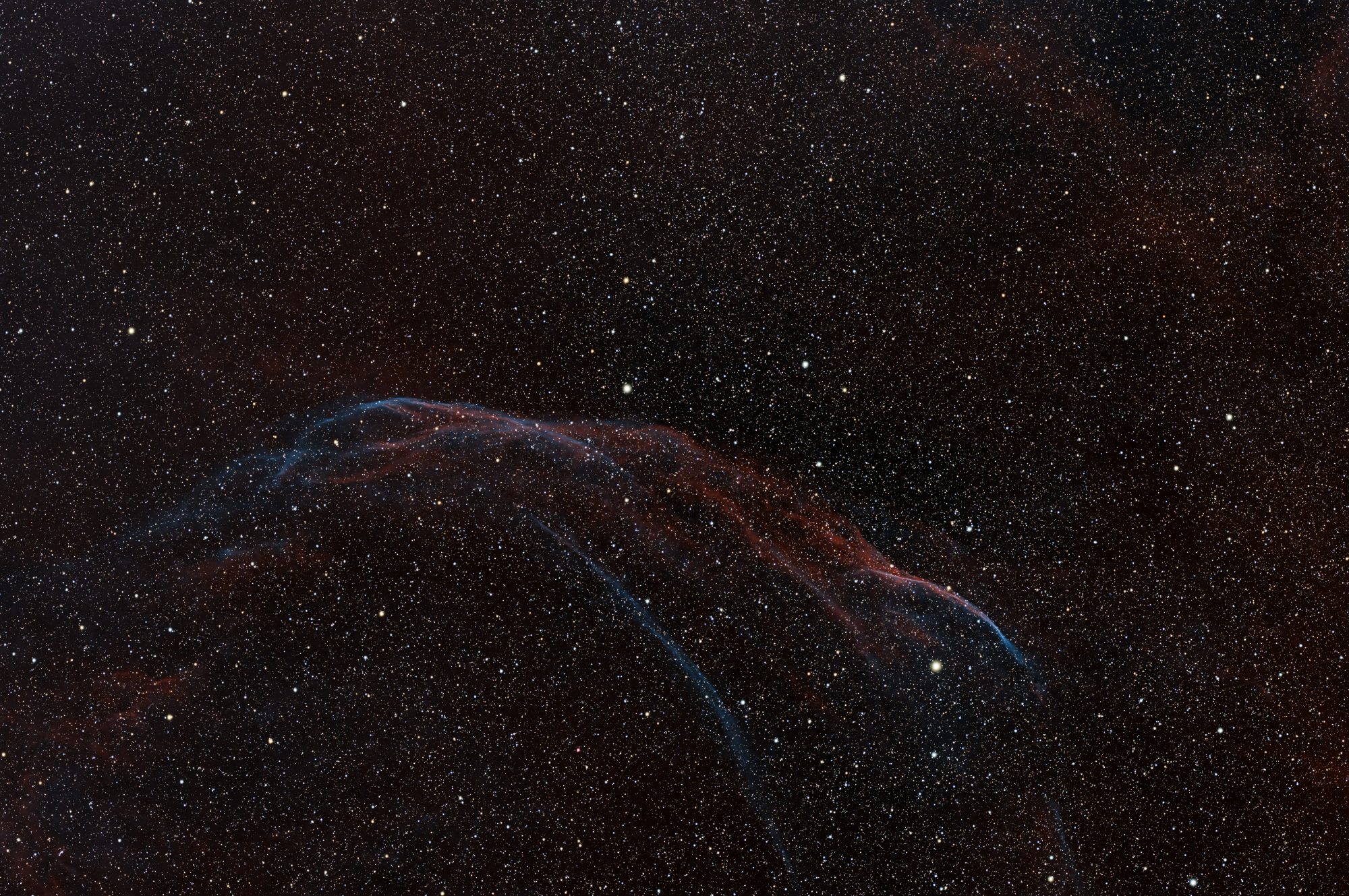
Sh2-91 is an H II region listed in Stewart Sharpless’s 1959 catalogue of Galactic emission nebulae. Sharpless gives it a maximum angular diameter of about 120 arcminutes. In the original catalogue it is classified as irregular and strongly filamentary. It is of intermediate catalogue brightness on Sharpless’s three-point brightness scale.
Intro source: Sharpless Catalogue (VizieR VII/20).
StDr 159
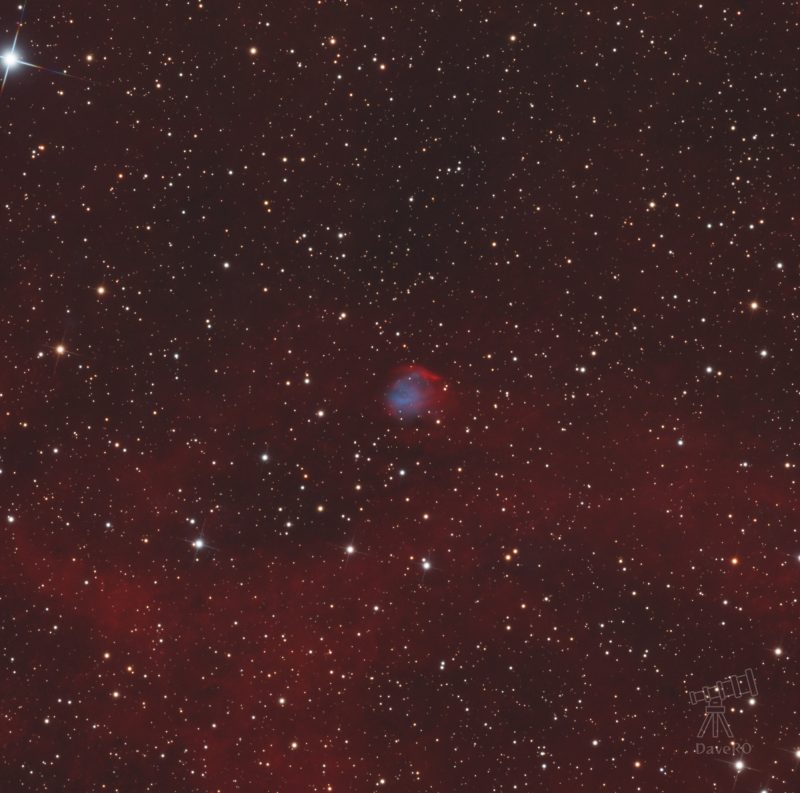
StDr 159 is a confirmed planetary nebula in the Strottner-Drechsler catalogue. It is also designated PN G086.4+07.6. PNnet gives its apparent dimensions as about 1.8 arcminutes.
Intro source: PlanetaryNebulae.net (StDr catalogue).
StDr 166
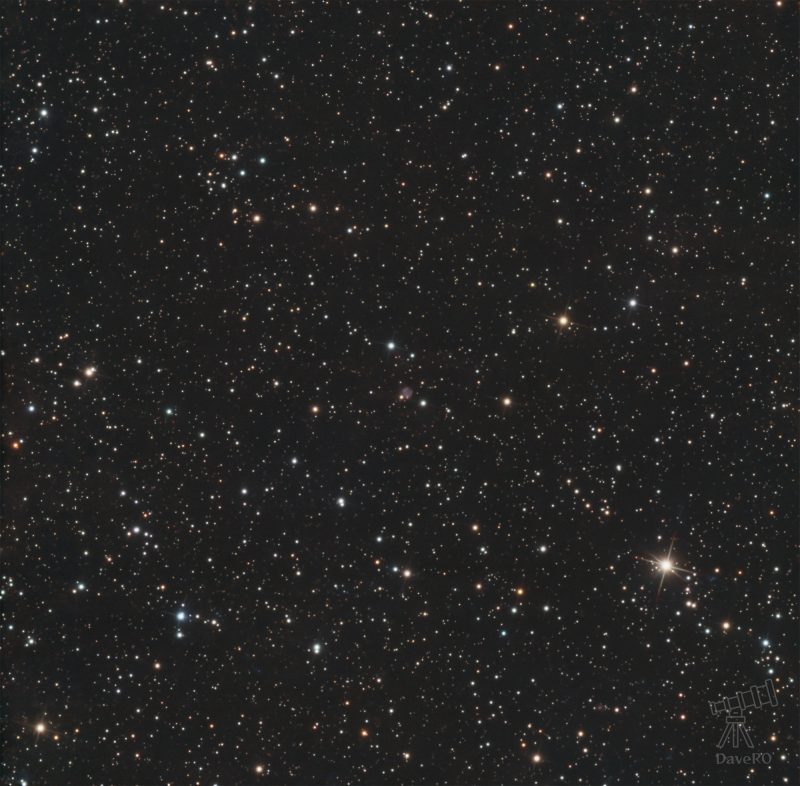
StDr 166 is a confirmed planetary nebula in the Strottner-Drechsler catalogue. It is also designated PN G088.6+07.2. PNnet gives its apparent dimensions as about 0.3 arcminutes.
Intro source: PlanetaryNebulae.net (StDr catalogue).
StDr 6
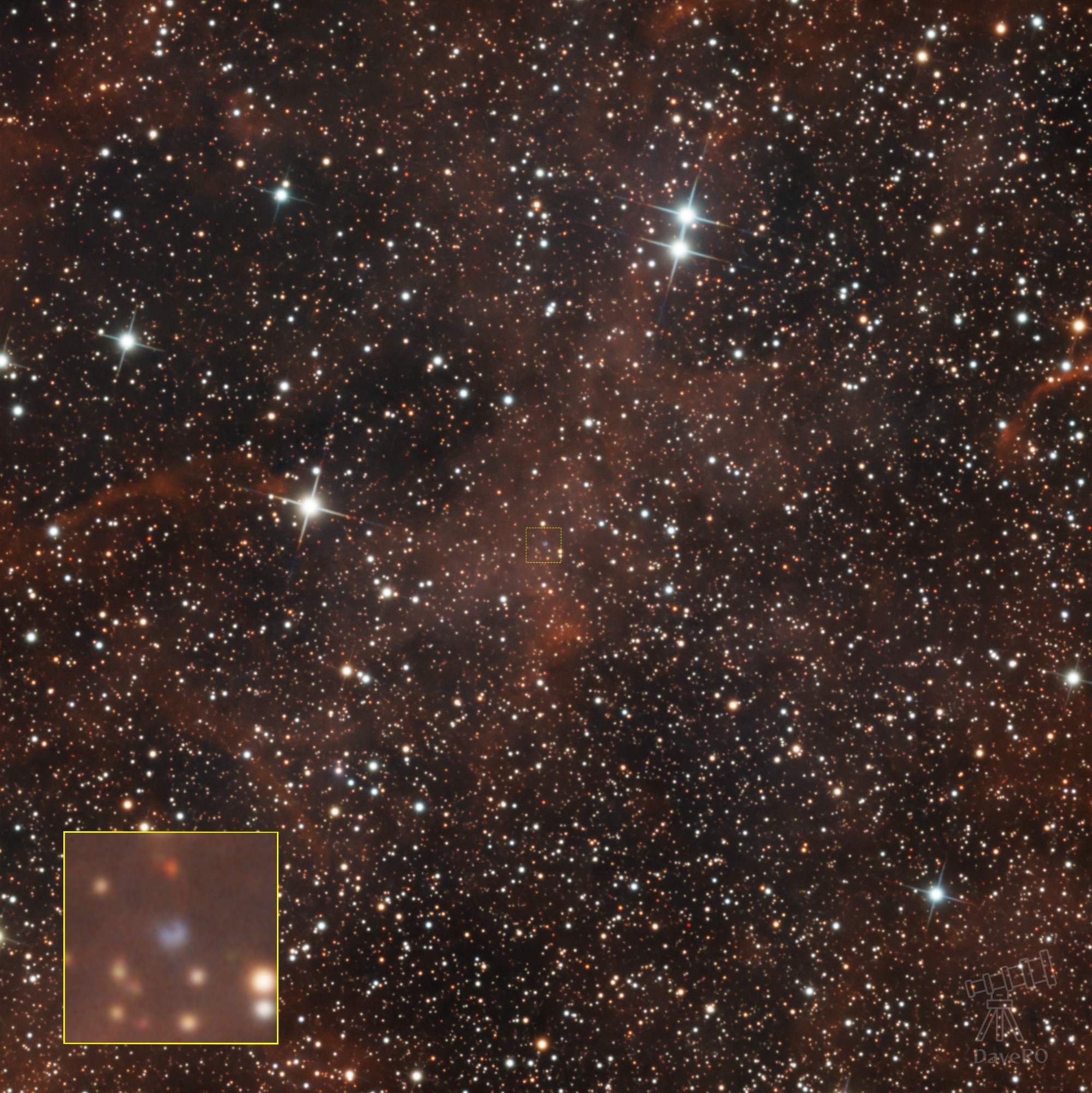
StDr 6 is a confirmed planetary nebula in the Strottner-Drechsler catalogue. It is also designated PN G074.7+02.9. PNnet gives its apparent dimensions as about 0.1 arcminutes.
Intro source: PlanetaryNebulae.net (StDr catalogue).
wr 137
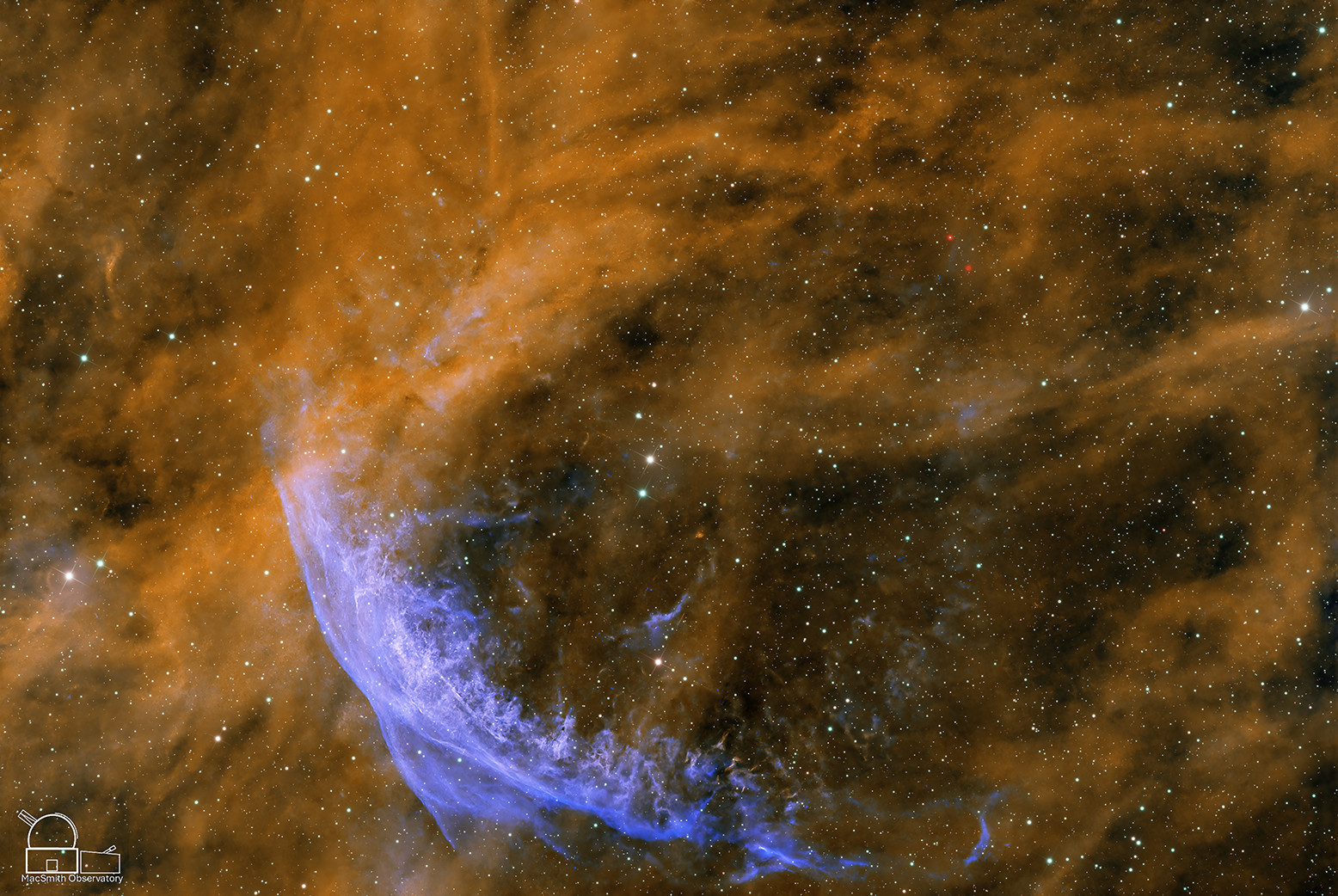
WR 137 is a variable Wolf-Rayet star located around 6,000 light years away from Earth in the constellation of Cygnus.
Intro source: Wikipedia.